In today’s fast-paced business environment, AI is reshaping how organizations approach decision-making. Many companies are realizing that simply having access to data isn’t enough; they need to leverage artificial intelligence to derive actionable insights that drive better outcomes. This blog dives deep into the void that often exists between data availability and effective decision-making processes, emphasizing the pivotal role that AI plays in bridging this gap.
Understanding the Organizational Void in Decision-Making
Organizations often find themselves in a challenging position where data exists but does not translate into informed decisions. This disconnect can be attributed to several factors, including a lack of understanding of how to apply data effectively and the absence of a structured decision-making framework. AI can serve as the catalyst for change by providing the necessary tools and frameworks to ensure that data is not just visible but also actionable.
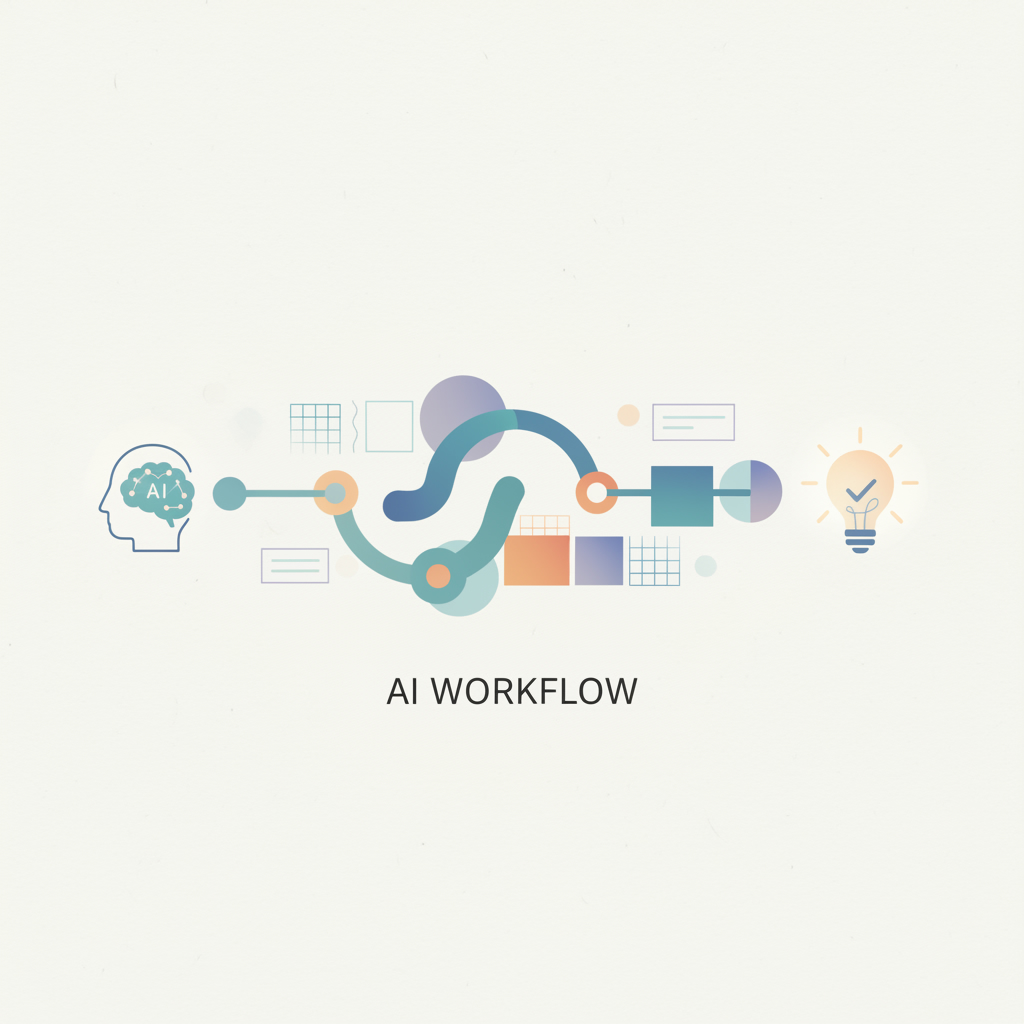
The Role of AI in Enhancing Decision-Making Processes
AI services are transforming how businesses process and utilize data. Here are a few key areas where AI can enhance decision-making:
1. Predictive Analytics: By analyzing historical data, AI can forecast future trends, enabling organizations to make proactive decisions.
2. Automated Insights: AI tools can sift through vast amounts of data, identifying patterns and insights that may not be readily apparent to human analysts.
3. Decision Support Systems: These systems leverage AI to provide recommendations based on data analysis, helping decision-makers weigh options and outcomes effectively.
Implementing AI does not merely mean incorporating new technology; it requires a cultural shift within the organization. Companies need to foster an environment where data-driven decision-making is prioritized and where employees are encouraged to utilize these new tools.
Bridging the Gap: From Data to Action
To truly leverage the power of AI, organizations need to focus on integrating AI workflows into their decision-making processes. This involves:
– Identifying Key Decisions: Understanding what decisions are critical to business success is essential. Organizations should deconstruct their decision-making processes to identify where AI can add value.
– Establishing Decision Systems: Organizations should implement decision systems that draw from various data sources, ensuring that decisions are based on comprehensive and accurate information.
– Fostering Collaboration: AI should not operate in a silo. Data teams must work closely with business units to ensure that the insights generated are relevant and actionable.
The Future of AI in Decision-Making
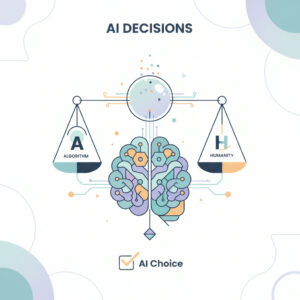
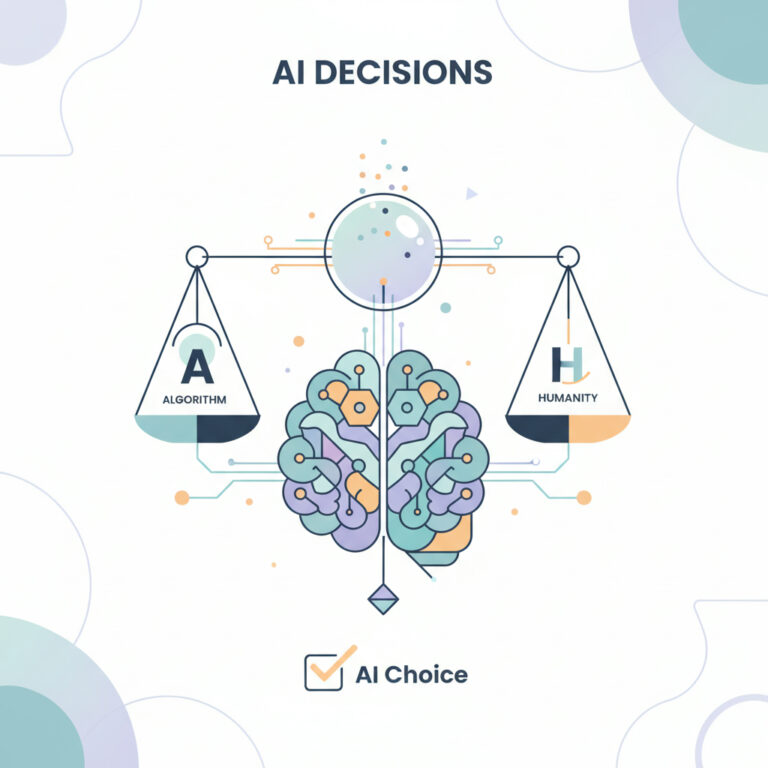
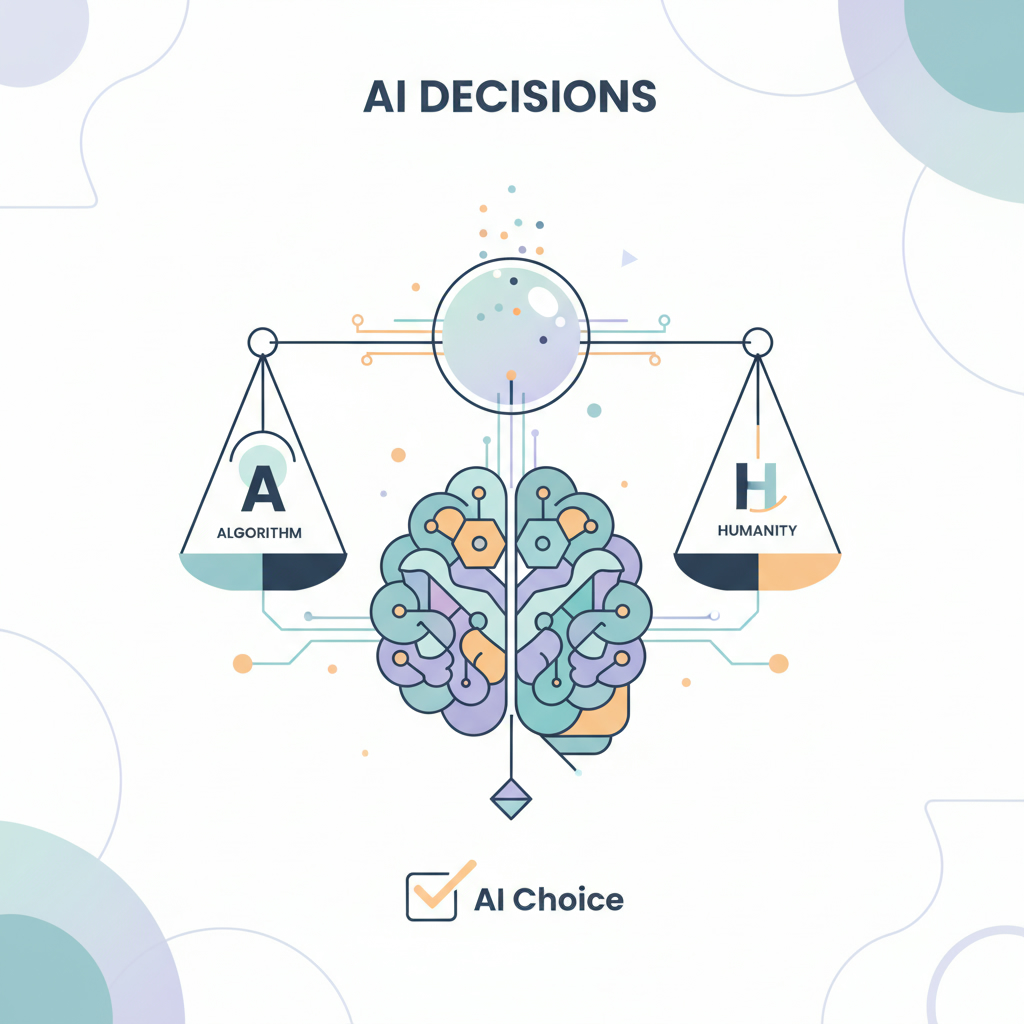
As organizations continue to adopt AI, the focus should not only be on the technology itself but on how it enhances human decision-making capabilities. AI should complement human intuition and experience, providing a robust framework for making informed decisions. The potential for AI to transform decision-making processes is vast, but it requires a deliberate approach to implementation.
Why Hire an AI Expert?
To implement AI effectively, companies may consider hiring AI experts or partnering with an AI agency. These experts can guide organizations through the complexities of AI integration, ensuring that the technology aligns with business objectives and enhances decision-making processes.
If your organization is seeking to harness the power of artificial intelligence to improve decision-making, consider reaching out to an AI consultant. Implement Artificial Intelligence to explore how you can start your journey towards data-driven transformation.
Conclusion: Embracing AI for Better Decisions
Bridging the gap between data and decisions requires a strategic approach that incorporates AI into the fabric of organizational processes. By understanding the importance of AI in enhancing decision-making capabilities, businesses can position themselves for greater success in a data-driven world. As you consider your organization’s future, remember that investing in AI is not just about technology; it’s about empowering your teams to make better, more informed decisions.
For more insights on how to implement artificial intelligence in your organization, visit Implement Artificial Intelligence.