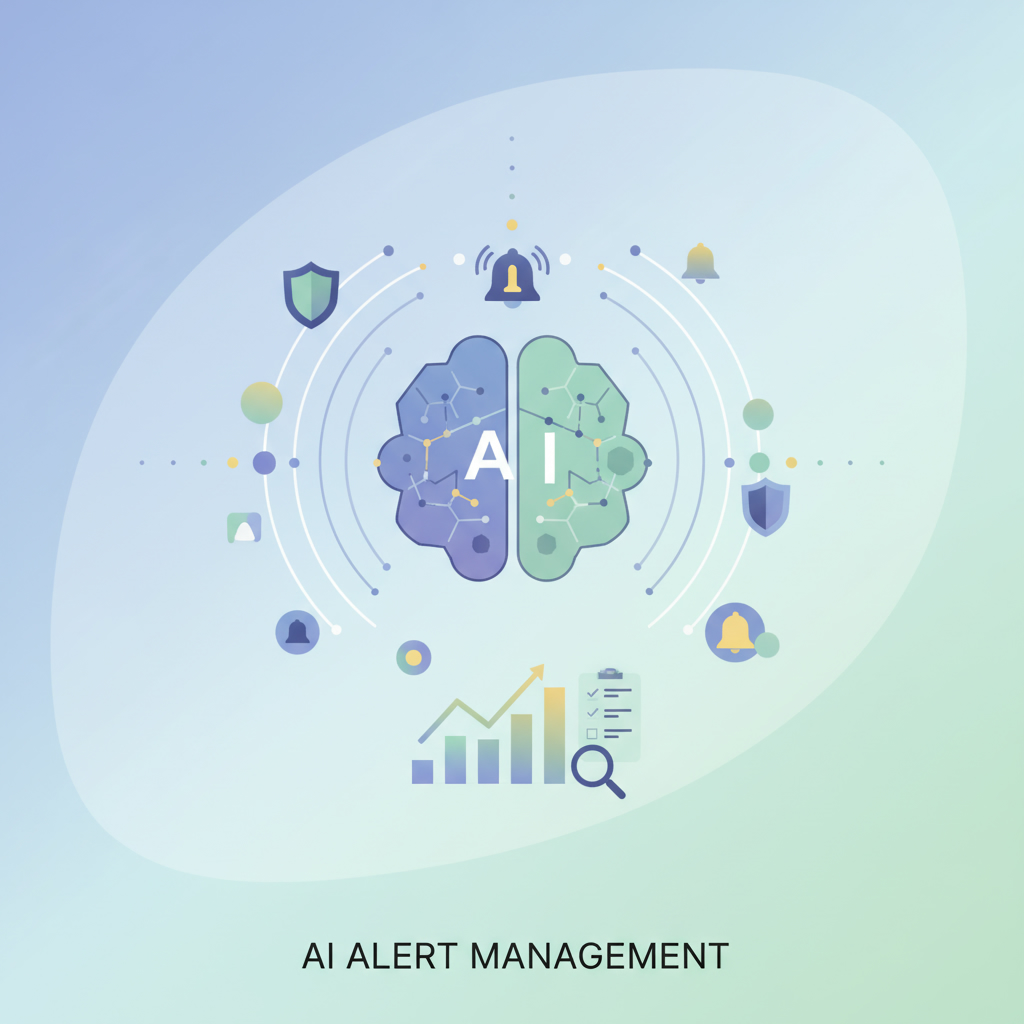
Artificial intelligence (AI) is revolutionizing the way organizations manage IT operations, particularly through autonomous alert management in AIOps. As businesses increasingly rely on AI services, understanding how to implement AI effectively has become paramount. The future of AIOps hinges on the ability to manage alerts autonomously, streamlining operations, and minimizing manual intervention. In this article, we will explore the trajectory of AI in IT Operations Management (ITOM), focusing on the transformative capabilities of autonomous alert management and the critical role it plays in achieving zero service outages.
Understanding AIOps and Its Core Capabilities
To appreciate the significance of autonomous alert management, it’s essential to grasp the foundational elements of AIOps. AIOps leverages AI to enhance IT operations, combining machine learning, big data, and analytics to automate routine tasks and improve incident management. The core capabilities involve event management, metric intelligence, health log analytics, and service observability, all designed to minimize downtime and optimize performance.
Event Management: Reducing Noise and Enhancing Visibility
Event management in AIOps acts as the nerve center for IT operations. It centralizes data from various monitoring tools, enabling organizations to correlate alerts and reduce noise significantly. By integrating multiple data streams into a unified platform, IT teams can respond more effectively to incidents, driving down the time to resolution. This centralized approach also allows for proactive alerting, where issues can be identified and addressed before they escalate, ultimately leading to improved service uptime.
The Journey Towards Zero Service Outages
Achieving zero service outages is a critical goal for many organizations, and the path toward this objective is paved with advanced AI capabilities. The journey comprises three pivotal stages:
1. Accelerated Response: Leveraging AI to enhance response times to incidents.
2. Self-Healing Operations: Implementing automated remediation processes to resolve issues before they impact users.
3. Preventative Measures: Utilizing predictive analytics to foresee and mitigate potential problems before they arise.
Harnessing Generative AI for Autonomous Alert Management
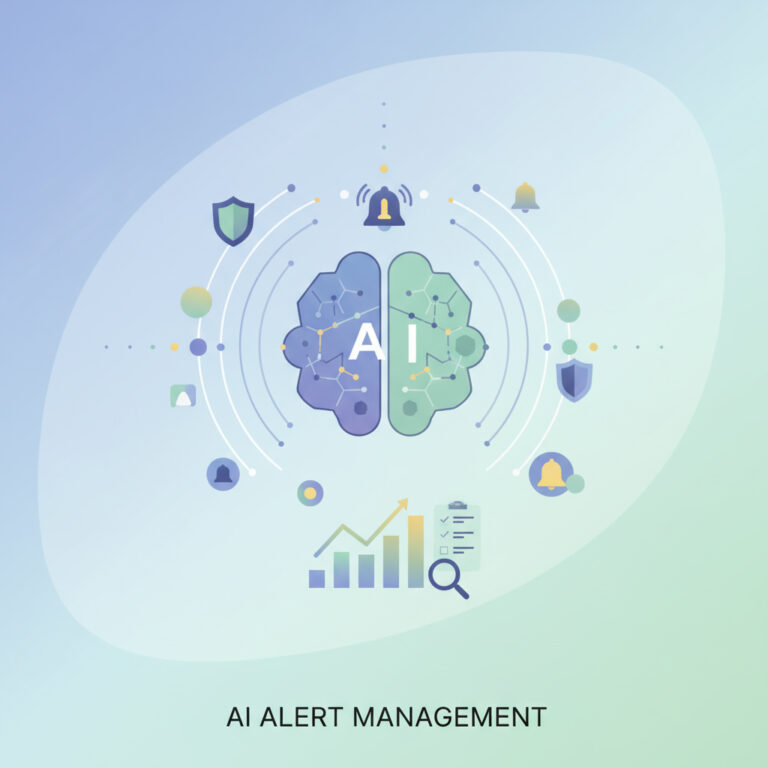
Generative AI has emerged as a game-changer in the realm of AIOps. By automating the alert management process, organizations can reduce the burden on their IT teams. The latest developments in autonomous alert management allow for the automatic generation of reports and insights as alerts are triggered. This includes analyzing historical data, identifying probable root causes, and suggesting next steps, all without requiring manual input from operators.
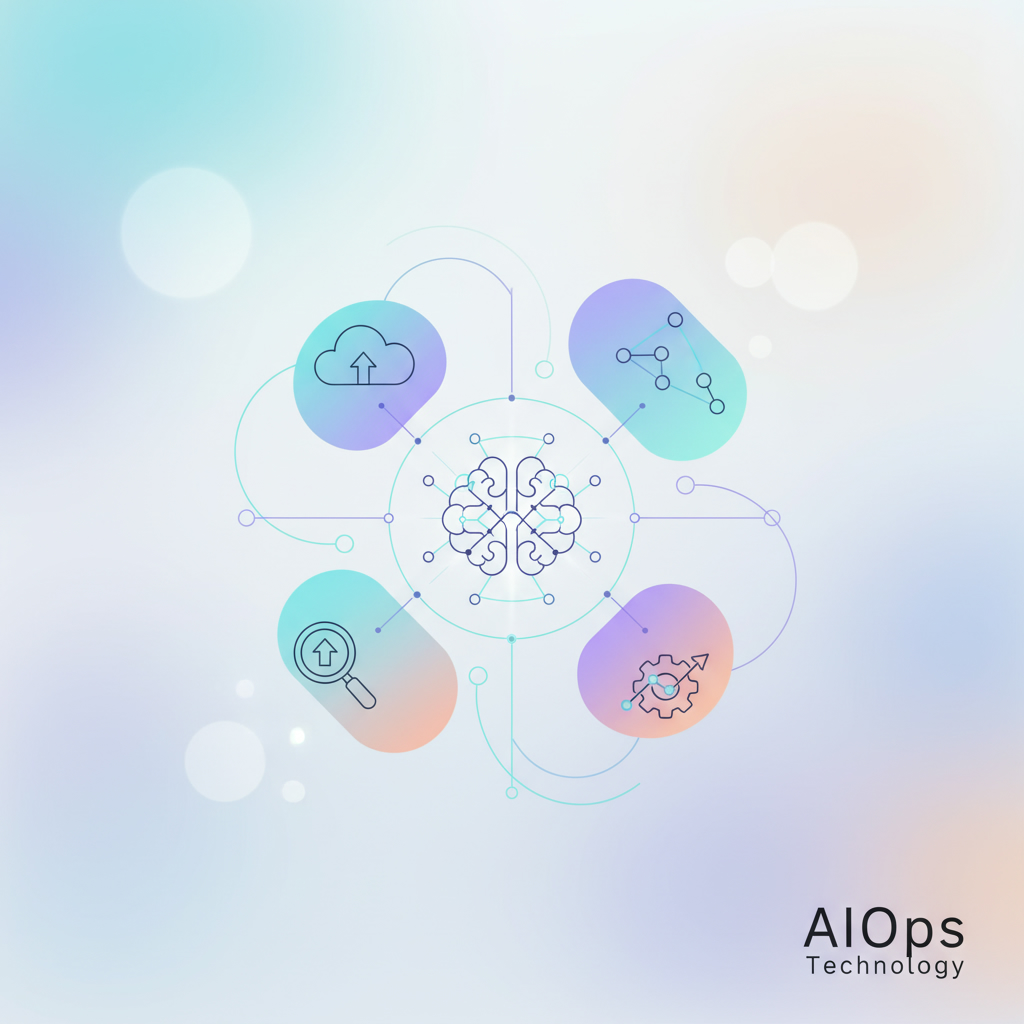
Implementation Strategies for Autonomous Alert Management
Implementing AI in your organization requires a well-thought-out strategy. Here are some key steps to consider:
– Define Clear Objectives: Understand the specific problems you want AI to solve within your IT operations.
– Invest in AI Expertise: Hiring AI experts or partnering with an AI agency can accelerate your implementation process.
– Leverage Existing Data: Use historical incident and alert data to train AI models, ensuring they can provide accurate insights.
– Integrate Seamlessly: Ensure your AI workflows can communicate with existing IT management tools for maximum efficiency.
The Role of AI Workflows in Enhancing ITOM
AI workflows are essential for automating complex processes within IT operations. These workflows can be designed to manage and triage alerts autonomously, freeing up valuable time for IT teams. The latest advancements allow AI to not only analyze alerts but also determine their significance and escalate them if necessary. This intelligent automation leads to a more efficient IT environment, allowing teams to focus on strategic initiatives rather than routine maintenance tasks.
Future Trends in AI and AIOps
Experts predict that the integration of AI in IT operations will continue to evolve. The focus will shift toward even greater automation, enhanced predictive capabilities, and the use of AI bots for real-time decision-making. As organizations strive to implement artificial intelligence effectively, staying ahead of these trends will be crucial for maintaining a competitive edge.
Conclusion: Embracing the Future of AI in IT Operations
As AI continues to reshape the landscape of IT operations, organizations must adapt to harness its full potential. Implementing AI, particularly in the form of autonomous alert management, can lead to significant improvements in efficiency and service reliability. By understanding the core capabilities of AIOps and leveraging the right AI services, businesses can achieve their goal of zero service outages. For more information on how to successfully implement AI in your organization, consider reaching out to an AI agency or expert.
If you’re ready to take the next step in your AI journey, visit Implement Artificial Intelligence today to learn more about how we can assist you in implementing effective AI solutions.