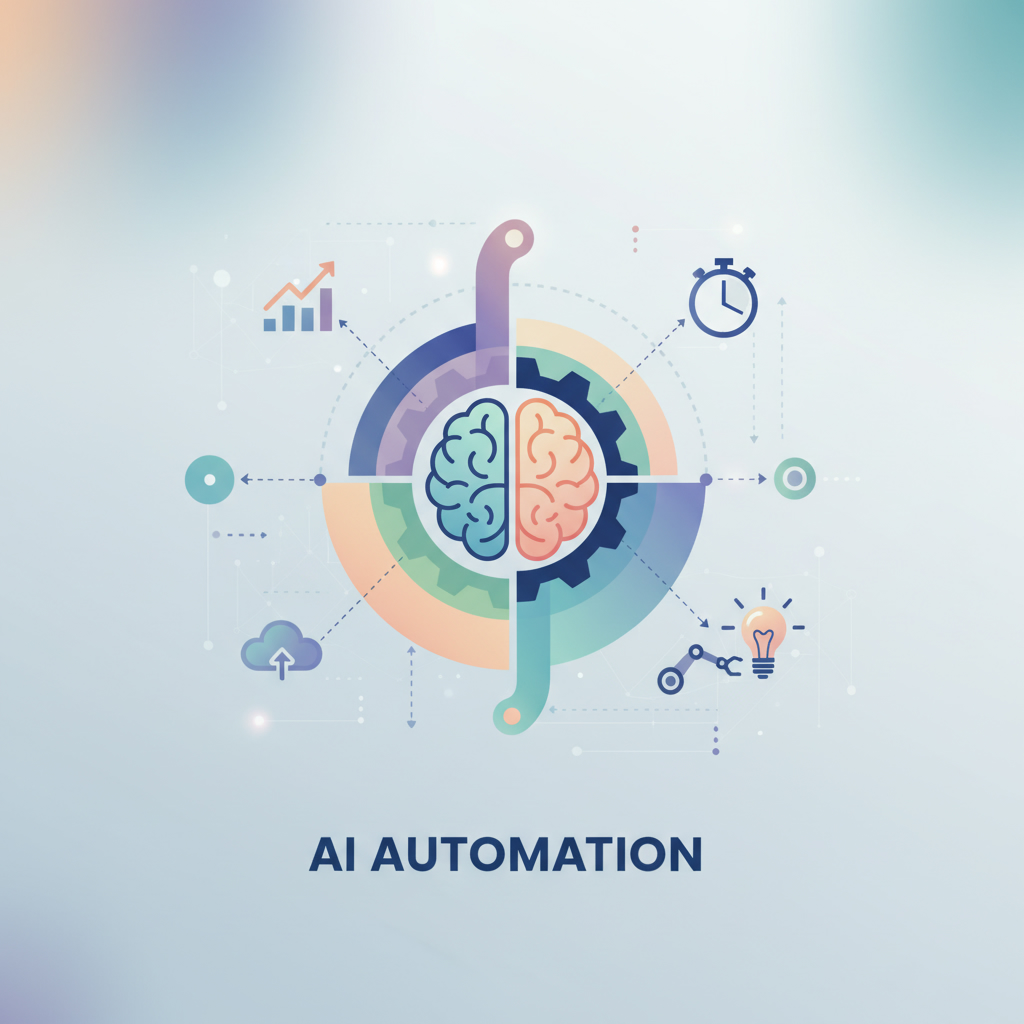
In today’s rapidly evolving technological landscape, AI automation is fundamentally changing how businesses operate. The emergence of agentic workflows marks a significant shift in the capabilities of artificial intelligence, allowing users to achieve desired outcomes without needing to dictate every step of the process. This innovative approach enables organizations to harness the power of AI effectively, optimizing their existing workflows and enhancing productivity. In this article, we will explore the transformative potential of agentic workflows, the key features that differentiate them from traditional automation, and how businesses can implement AI solutions to maximize efficiency.
Understanding Agentic Workflows in AI Automation
Agentic workflows represent a new paradigm in AI services, moving beyond the conventional methods that require users to specify every detail of a task. Instead, agentic systems allow users to communicate desired outcomes in natural language, empowering AI to determine the necessary steps autonomously. This level of sophistication in AI automation significantly reduces the complexity involved in creating and managing workflows.
The Shift from Manual to Autonomous Workflows
Traditionally, users had to painstakingly configure each component of a workflow, from setting up APIs to debugging errors. With agentic AI, this burden is lifted. Users simply need to articulate what they want, and the AI takes care of the rest. This not only saves time but also allows non-technical users to engage with automation tools effectively.
For instance, when implementing AI solutions, organizations can now hire AI experts who specialize in creating these advanced workflows, thereby streamlining processes and improving overall productivity. According to a study by McKinsey, companies that leverage AI for automation experience a 20-25% increase in productivity.
Key Features of Agentic Workflows
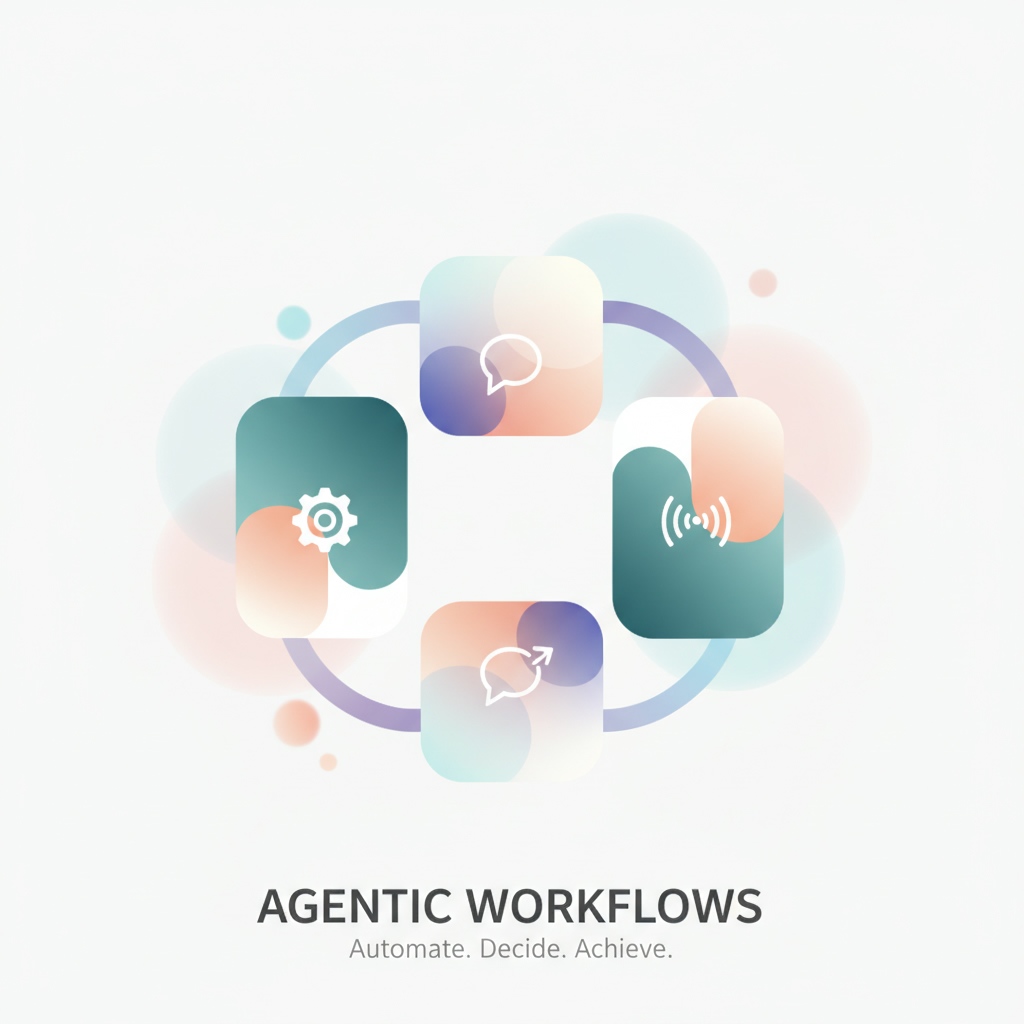
To effectively implement artificial intelligence in your organization, understanding the core features of agentic workflows is crucial. Here are four significant advantages that set agentic systems apart:
1. Self-Healing Capabilities
One of the most groundbreaking features of agentic workflows is their self-healing ability. When an error occurs, the AI automatically assesses the situation, identifies the problem, and implements a fix without human intervention. This proactive approach minimizes downtime and increases the reliability of automated tasks.
2. Natural Language Control
Agentic workflows allow users to control AI through natural language, making it accessible to everyone, regardless of technical expertise. By simply stating what they need, users can prompt the AI to perform complex tasks, making automation more intuitive and user-friendly.
3. Enhanced Security Measures
As AI systems manage sensitive data and perform critical tasks, security is paramount. Agentic workflows incorporate built-in security protocols that continuously monitor for vulnerabilities, ensuring that any code changes comply with security standards. This constant vigilance helps organizations protect their data and maintain compliance with regulations.
4. Simplified API Integrations
Connecting various tools and services is often a complex hurdle in automation. Agentic workflows simplify this process by automatically handling API integrations. Users can specify which tools they want to connect, and the AI manages authentication and data transfers seamlessly.
How to Implement Agentic Workflows in Your Business
Implementing AI automation through agentic workflows involves several strategic steps:
1. Define Clear Objectives: Clearly articulate the outcomes you want to achieve. Having a well-defined goal will help the AI understand your requirements better.
2. Choose the Right AI Tools: Select AI platforms that support agentic workflows. Research and consult with AI agencies to identify the best solutions tailored to your needs.
3. Collaborate with AI Experts: Hiring AI specialists can significantly enhance your implementation process. They can help design and configure workflows that align with your business objectives.
4. Monitor and Optimize: After deployment, continuously monitor the performance of your workflows. Use insights gained from AI analytics to optimize processes further.
The Future of AI Automation and Workflows
The evolution of AI towards more autonomous systems is not just a trend; it’s the future of how businesses will operate. Experts predict that by 2027, 50% of enterprises will adopt agentic workflows, reshaping how teams collaborate and manage tasks. As AI technology continues to advance, organizations that leverage these systems will be at the forefront, gaining a competitive edge in their industries.
Investing in AI services today could set your organization on a path to success, enabling you to harness the full potential of artificial intelligence.
In conclusion, adopting AI automation through agentic workflows presents a significant opportunity for businesses to enhance efficiency, reduce manual effort, and drive innovation. By understanding and implementing these advanced systems, companies can not only improve their operational processes but also better serve their customers and adapt to the ever-changing market landscape. If you’re ready to explore how to implement AI solutions in your organization, consider reaching out to an AI agency today.
To learn more about implementing artificial intelligence in your business, visit Implement Artificial Intelligence or contact us for personalized guidance.