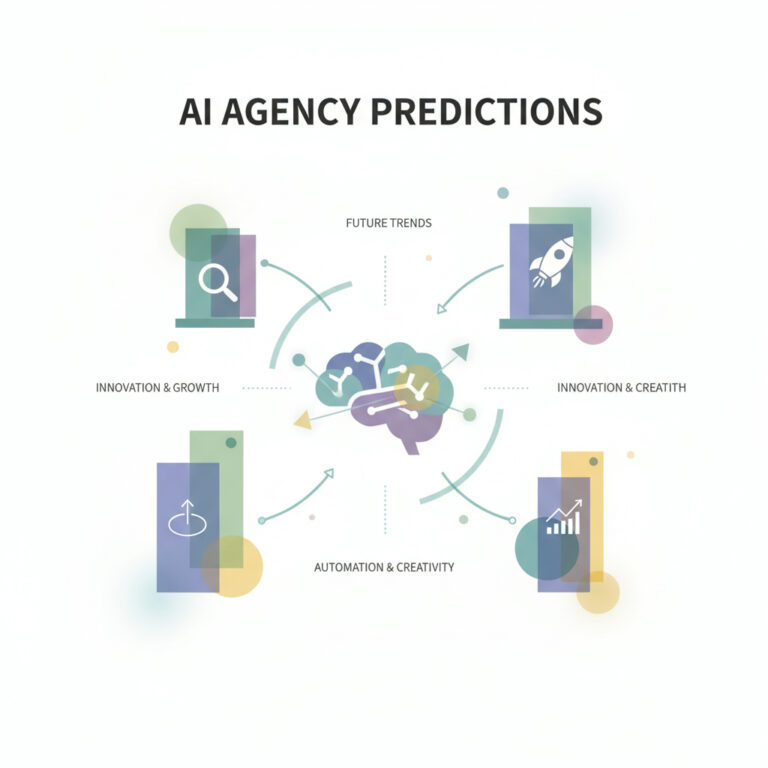
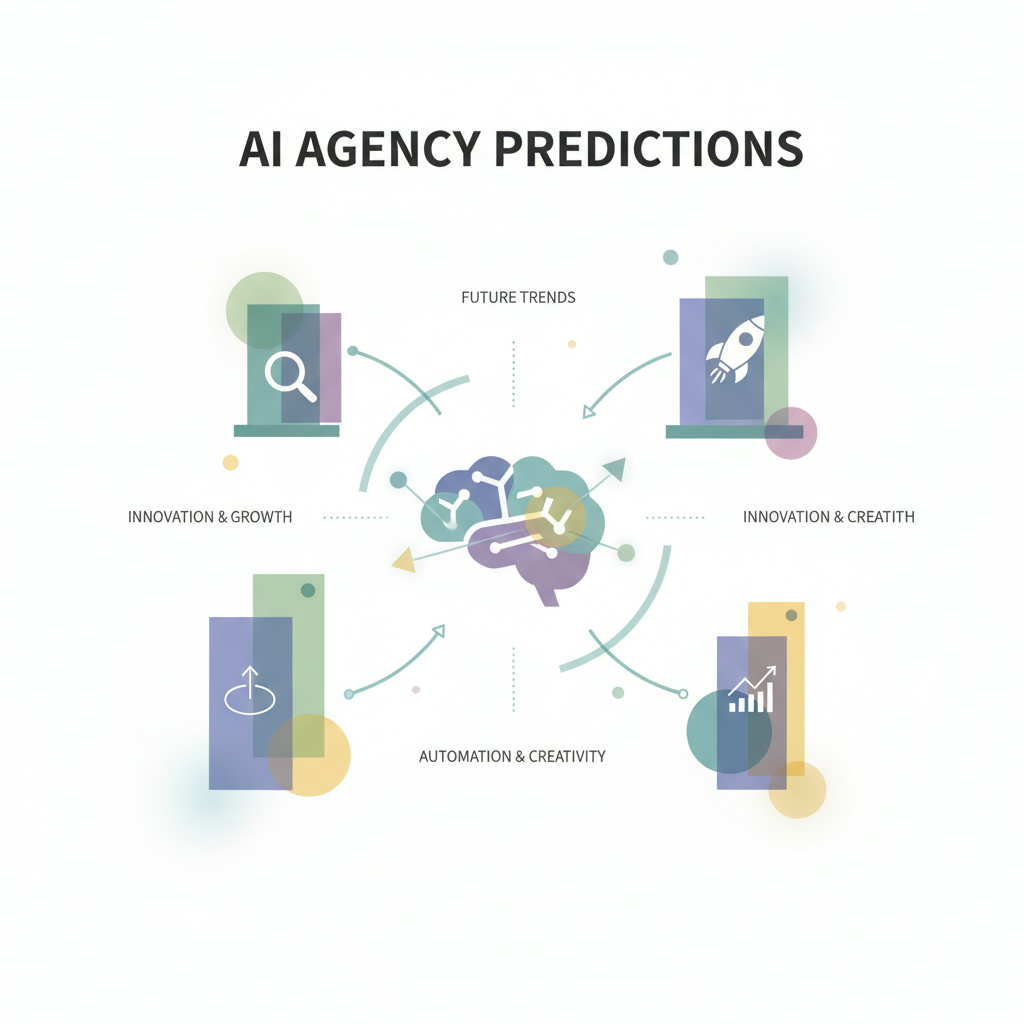
As we approach 2026, the landscape of AI and artificial intelligence is evolving at a rapid pace, creating substantial opportunities for AI agencies. While some voices are cautioning against an impending AI bubble, evidence from industry leaders suggests a robust growth trajectory for AI service providers. The key to thriving in this environment lies in understanding the upcoming trends and positioning your agency to meet the evolving demands of clients. In this article, we will explore critical predictions for the AI industry in 2026, focusing on ROI expectations, the shift towards holistic AI transformation partnerships, and the growing importance of education in AI implementations.
The Rising Demand for Clear ROI in AI Projects
In 2026, businesses will increasingly seek clear and specific ROI from their AI investments. According to recent studies, approximately 95% of AI projects fail due to a lack of clear objectives and desired outcomes. This failure rate fosters skepticism among potential clients, compelling them to demand measurable results before committing to AI initiatives. As an AI agency, your ability to present compelling case studies showcasing tangible outcomes will be crucial for winning new projects. Agencies that can effectively communicate the expected ROI—such as a 30% reduction in operational costs—will stand out in this competitive market.
Transitioning from Automation to AI Transformation Partners
The traditional model of AI agencies focused primarily on automation and development is shifting. In 2026, the most successful agencies will evolve into AI transformation partners, providing a comprehensive suite of services that includes education, consulting, and ongoing support. This holistic approach enables agencies to guide clients through the complexities of AI adoption, ensuring that the technology aligns with their overall business strategy.
The demand for educational resources will also surge, as organizations recognize that successful AI implementation requires skilled personnel who can effectively utilize new systems. Agencies must prioritize developing educational initiatives to train employees on leveraging AI workflows, making it a pivotal aspect of their service offerings.
The Surge of AI Audits as Entry Points
AI audits are emerging as a critical service for agencies looking to establish strong client relationships. Similar to how businesses initially focused on developing a website when the internet emerged, AI audits serve as a foundational step for companies embarking on their AI journey. These audits provide valuable insights into existing workflows, helping organizations identify areas where AI can create efficiencies. Early adopters of AI audit services have reported significant conversion rates, with average deal sizes reaching $11,400. By offering AI audits, agencies can not only generate revenue but also position themselves as trusted advisors, paving the way for more extensive development projects.
Emphasizing Education and Training in AI
Education and training will become paramount for AI agencies in 2026. As organizations integrate AI into their operations, the importance of effective training programs cannot be understated. Agencies need to implement strategies that ensure employees understand how to use AI tools effectively. This could involve creating ongoing training packages as part of project proposals, ranging from $1,500 to $20,000, to facilitate smooth adoption of new technologies.
The interplay between education and implementation is crucial; without proper training, even the most sophisticated AI systems will fail to deliver value. Agencies must focus on developing robust educational resources and follow-up mechanisms to support clients post-implementation.
The Shift Towards General Software Development
Interestingly, the focus of AI agencies will also pivot towards general software development. While AI automation remains important, agencies will increasingly find that many clients require foundational software solutions before AI can be effectively integrated. By prioritizing general software development, agencies can address the underlying inefficiencies in their clients’ processes, making it easier to layer AI capabilities on top.
This shift is beneficial for agencies, as the success rate for general software development projects tends to be higher than for AI-specific endeavors. With the cost of development decreasing due to advancements in AI coding tools, agencies can offer comprehensive solutions that combine both general software and AI features, enhancing their service offerings and profitability.
The Importance of Building Strong Client Relationships
As the AI landscape matures, the importance of building strong, lasting relationships with clients cannot be overstated. Agencies that invest time in understanding their clients’ unique challenges and developing tailored solutions will gain a competitive edge. The need for forward-deployed engineers who can bridge the gap between consulting and development is becoming essential. These professionals can engage directly with clients, conducting audits and presenting solutions in real-time, fostering trust and collaboration.
The Future of AI in Business
In 2026, the potential for AI and artificial intelligence in business will continue to expand. Agencies that leverage their insights from client projects to develop proprietary software will have the opportunity to transform their service offerings into scalable products. This approach could lead to significant revenue generation and position agencies as leaders in the AI space.
The rise of AI tools that simplify coding and integration will also enable agencies to streamline their development processes, allowing them to focus on high-value, strategic initiatives that drive client success. As the industry evolves, agencies must remain agile and adapt to these changes to thrive in an increasingly competitive environment.
Call to Action
To ensure your AI agency is prepared for the exciting opportunities ahead in 2026, consider partnering with experts in the field. Hire AI experts who can help guide your strategy and implementation processes. Visit Implement Artificial Intelligence to learn more about how we can support your AI initiatives.
As we approach this new era of AI, the potential for growth and innovation is vast. By staying informed and agile, AI agencies can not only survive but thrive in the evolving landscape.