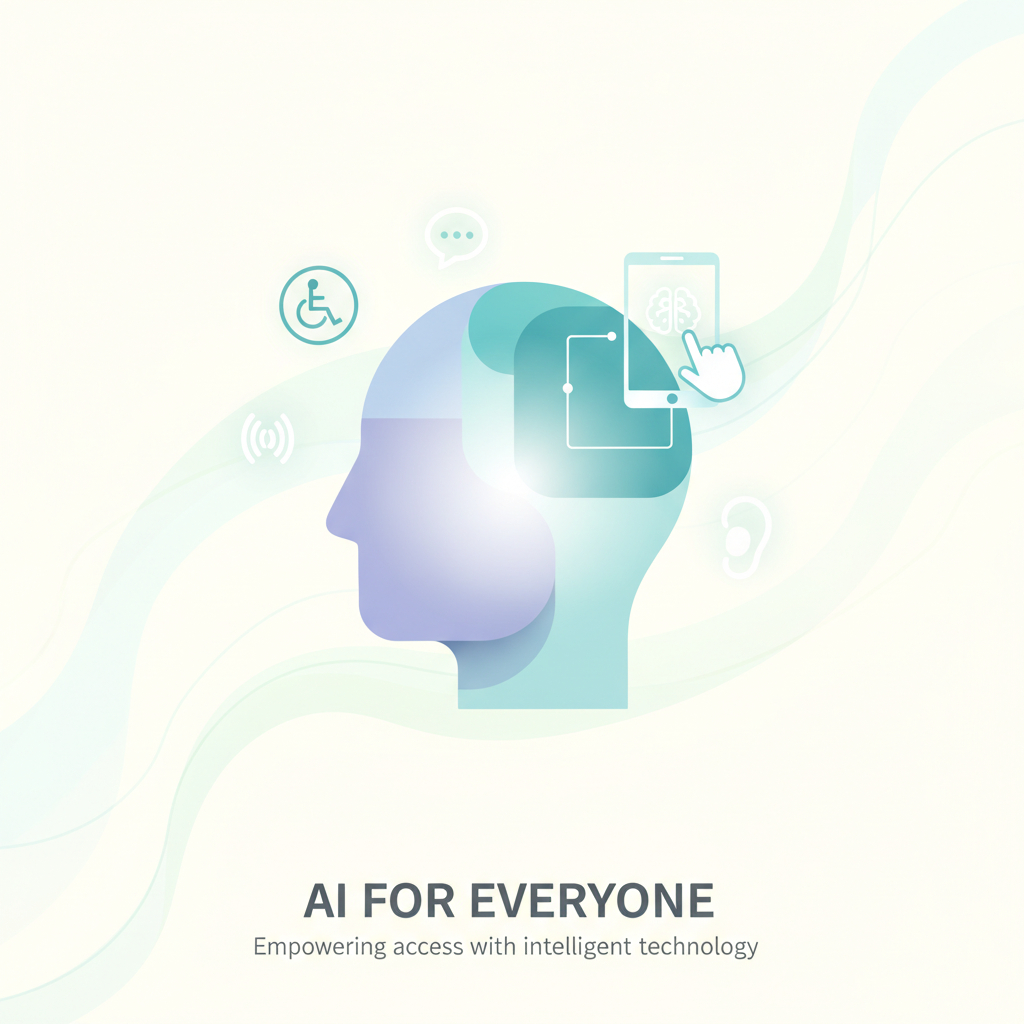
Artificial intelligence (AI) is reshaping how we access and interact with digital platforms, particularly in enhancing accessibility features. As digital landscapes evolve, incorporating AI into accessibility initiatives ensures that everyone, including individuals with disabilities, can benefit from technology. In this article, we will explore how AI can drive accessibility improvements, the significance of the latest advancements, and what organizations can do to implement artificial intelligence solutions effectively.
Understanding Digital Accessibility and AI
Digital accessibility is the practice of creating online spaces that everyone can use, regardless of their abilities or disabilities. It involves adhering to standards like the Web Content Accessibility Guidelines (WCAG), which outline how to make web content more accessible. Recent studies indicate that nearly 15% of the world’s population lives with some form of disability, highlighting the need for inclusive digital environments.
AI plays a crucial role in enhancing these environments. Through AI-driven tools, organizations can automate accessibility checks, provide real-time support, and create personalized user experiences that cater to diverse needs. For instance, AI voice assistants can facilitate hands-free navigation, while AI chatbots can offer immediate assistance, ensuring that users can interact with digital content seamlessly.
The Role of AI in Enhancing Accessibility Features
Integrating AI into accessibility initiatives allows organizations to offer innovative solutions that improve user experiences. Here are some key advancements:
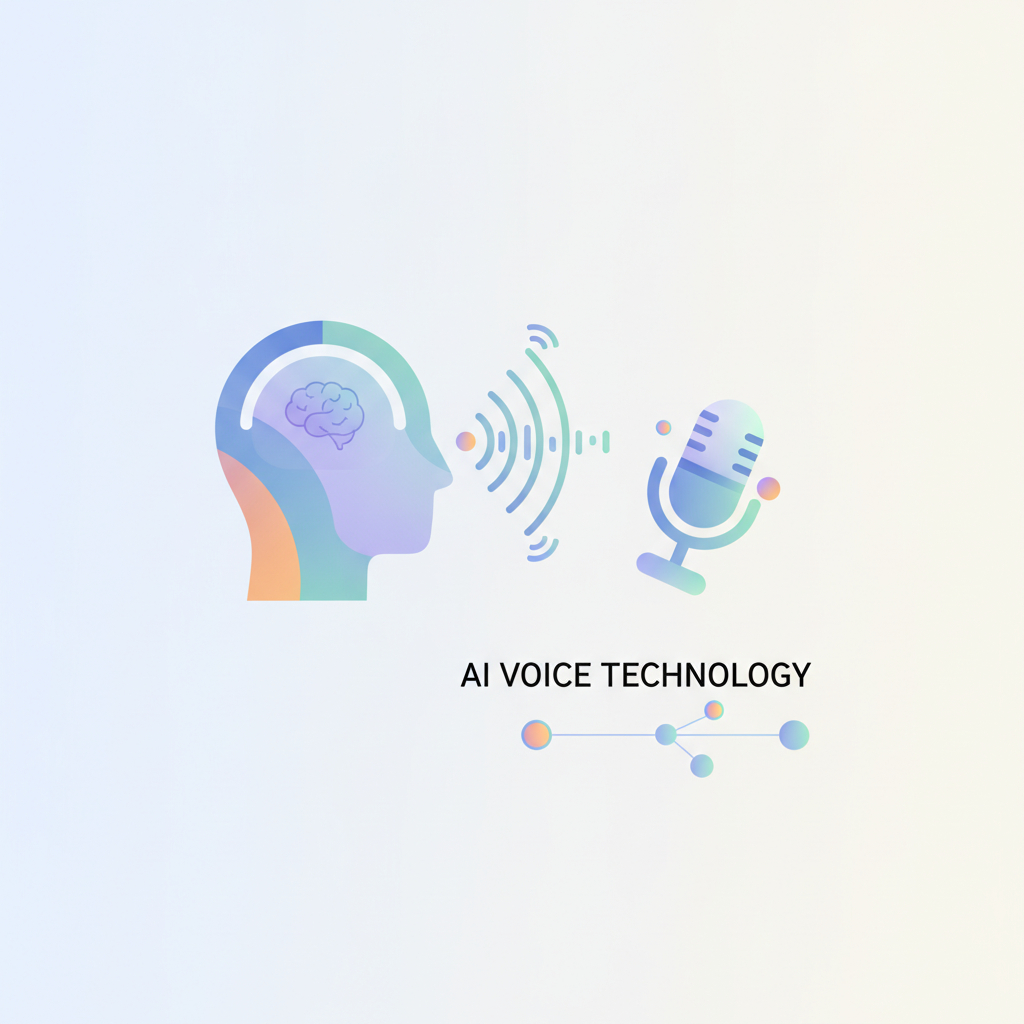
AI Voice Technology
AI voice technology enables users to interact with digital platforms through voice commands, significantly improving accessibility for those with mobility challenges. This technology can recognize natural speech patterns and convert them into actions within the platform, enhancing user engagement and satisfaction.
Screen Summarization Tools
AI-powered screen summarization tools assist visually impaired users by providing concise descriptions of content on the screen. This functionality allows users to quickly understand complex information without navigating through lengthy text, thus saving time and reducing frustration.
Dynamic Guidance Systems
Dynamic guidance systems equipped with AI can offer step-by-step instructions tailored to individual users. These systems can recognize user queries and provide contextual support, ensuring that users receive the assistance they need without leaving their workflow.
Implementing AI Solutions for Accessibility
Organizations looking to implement AI for accessibility should consider several key steps:
1. Assess Current Accessibility Practices: Evaluate existing digital content and identify areas that require improvement.
2. Choose the Right AI Tools: Select AI solutions that align with your organization’s goals and user needs. For example, AI voice features can be integrated into customer service platforms to enhance user interaction.
3. Train Staff on AI Capabilities: Ensure that teams are equipped with the knowledge to utilize AI tools effectively, maximizing their potential.
4. Gather User Feedback: Regularly collect feedback from users to refine AI implementations and ensure that they meet accessibility needs.
The Future of AI and Accessibility
As technology continues to evolve, the integration of AI into accessibility features will become increasingly sophisticated. Experts agree that organizations must stay ahead of the curve by continuously adapting to new technologies and user needs. By doing so, they can create more inclusive digital environments that empower all users to engage fully.
Conclusion: Embracing AI for a More Accessible Future
Incorporating AI into accessibility initiatives is not just a moral imperative; it makes good business sense. Organizations that prioritize accessible digital experiences can reach a broader audience and foster loyalty among users. By focusing on AI advancements and implementing them effectively, businesses can ensure that they meet the diverse needs of their users, creating a more inclusive future. If you’re ready to enhance your accessibility initiatives through AI, explore how to implement artificial intelligence solutions tailored to your organization’s needs today.
The ongoing commitment to accessibility is essential for creating a world where everyone can thrive in the digital space. By harnessing the power of AI, organizations can transform their platforms into welcoming environments for all users.