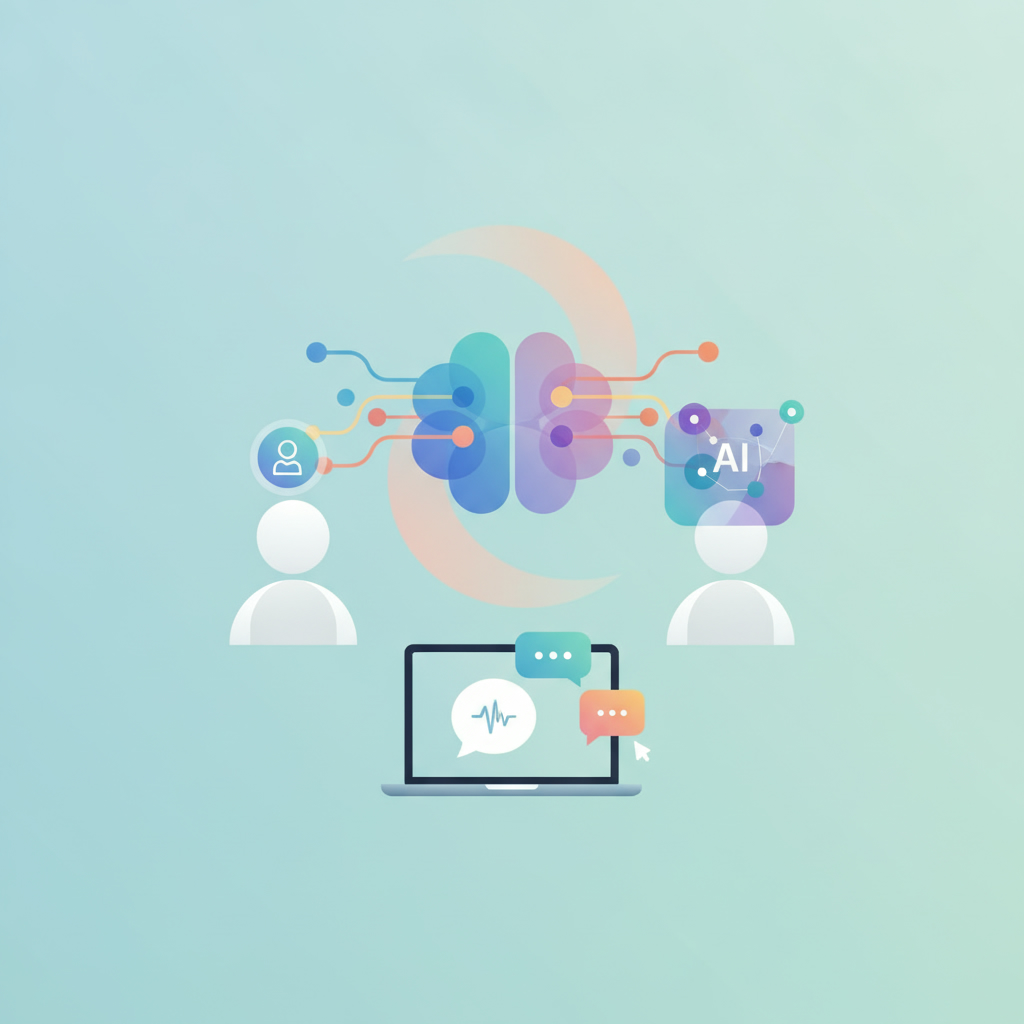
As artificial intelligence (AI) becomes increasingly integrated into our daily lives, a peculiar question arises: Do people say please to AI? This inquiry delves deep into our interactions with machines, exploring the emotional and social implications of how we treat AI. Research suggests that the way we engage with AI can influence our perceptions and the development of these technologies. In this post, we will explore the nuances of human-AI relationships, the psychology behind our interactions, and the potential future of artificial intelligence in our society.
Understanding Human Interaction with AI
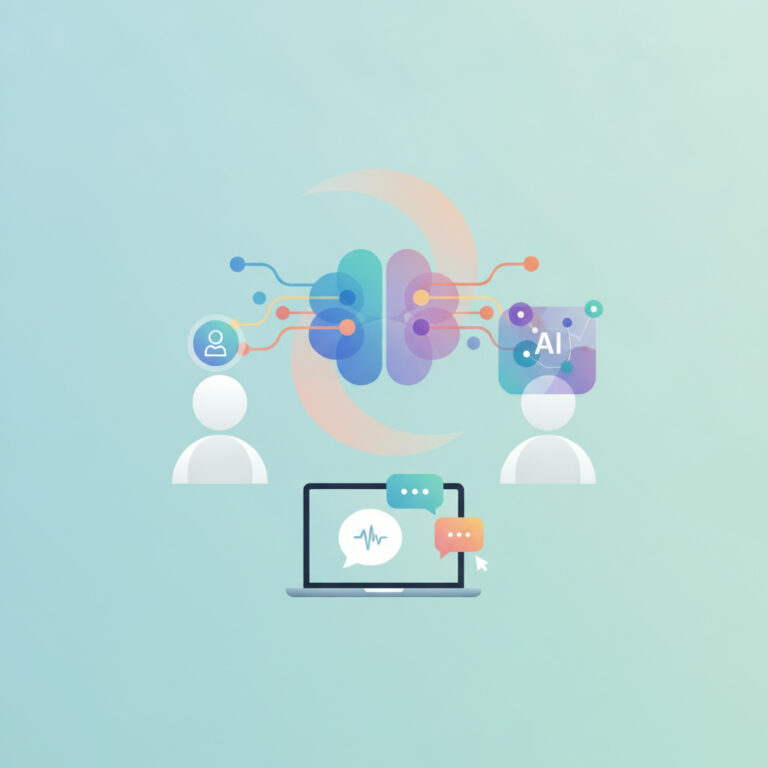
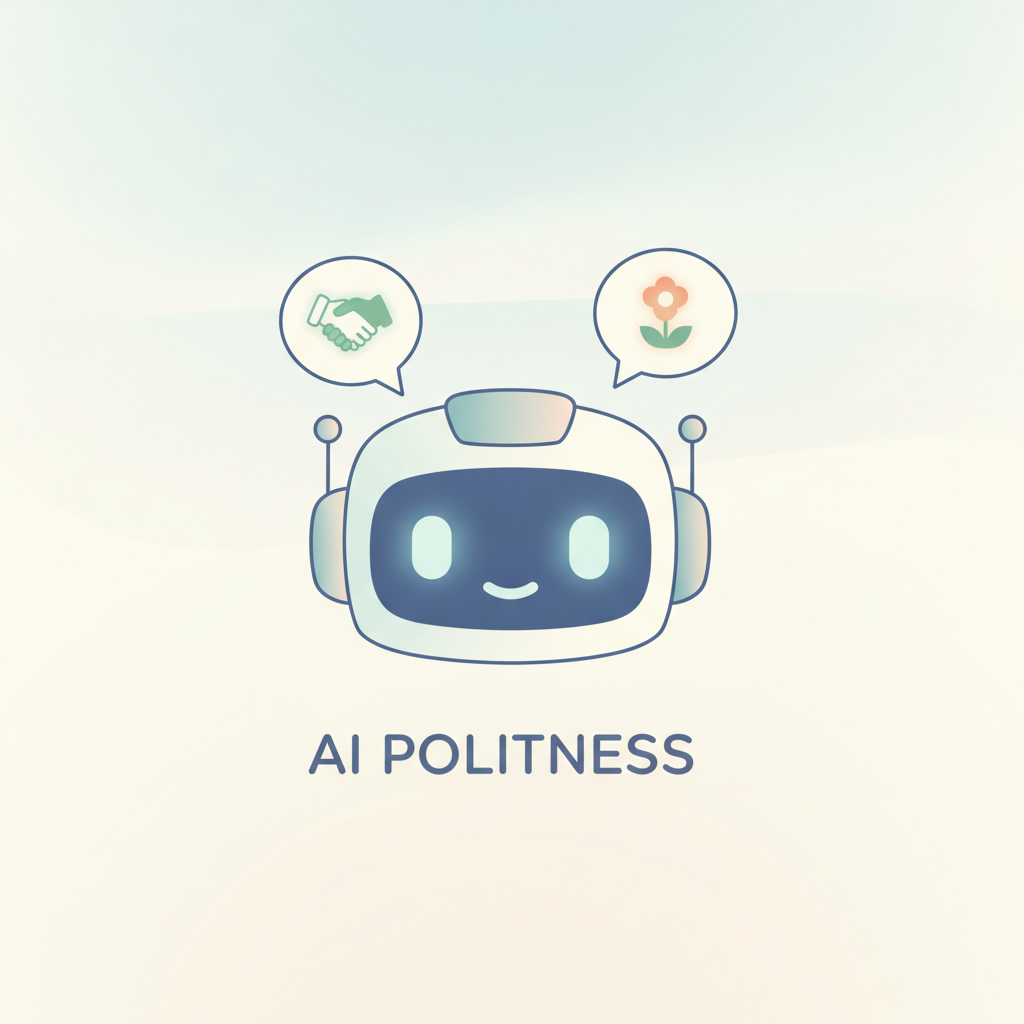
The relationship between humans and AI is evolving. Experts agree that treating AI with respect—using polite phrases like “please” and “thank you”—can enhance user experience. For many, this behavior stems from a desire to foster a positive environment, especially as we integrate AI into various workflows and daily tasks.
The Psychology Behind Saying Please to AI
Studies indicate that politeness in human interactions often carries over into our interactions with machines. When users say please to AI, it may reflect deeper psychological needs for social connection. Saying please to AI can serve as a bridge, allowing users to feel more comfortable and connected in an increasingly automated world.
– Emotional engagement: Using polite language with AI may help users feel more in control and engaged.
– Social norms: Many people carry the social habit of politeness over into their interactions with technology.
The Impact of Politeness on AI Performance
Interestingly, research shows that being polite to AI can improve its performance. When users express gratitude or appreciation towards AI, it can lead to better outcomes. This phenomenon suggests that our interactions with AI bots may have a reciprocal effect where positive reinforcement can lead to enhanced AI responses.
The Future of AI and Human Interaction
As AI technology advances, the relationship between humans and machines will likely deepen. Experts predict that as artificial general intelligence (AGI) develops, the need for respectful and polite interactions may become even more significant. AI systems could potentially remember users’ interactions, tracking their politeness and adapting accordingly. This raises questions about how we want to engage with AI in the future. Will the AI remember who treated it kindly?
– Ethical considerations: As AI becomes more intelligent, ethical considerations about our interactions will come into play.
– AI agency: Hiring AI experts to implement AI in various sectors will necessitate a conversation about how we treat these technologies.
Implementing AI with a Positive Approach
When organizations decide to implement artificial intelligence, it’s crucial to foster a culture of respect towards these technologies. Here are a few strategies to ensure a positive relationship with AI:
1. Educate your team: Understanding AI capabilities can help your team engage positively.
2. Encourage polite interactions: Promote the use of courteous language when interacting with AI systems.
3. Monitor feedback: Regularly assess how users feel about their interactions with AI and make adjustments as needed.
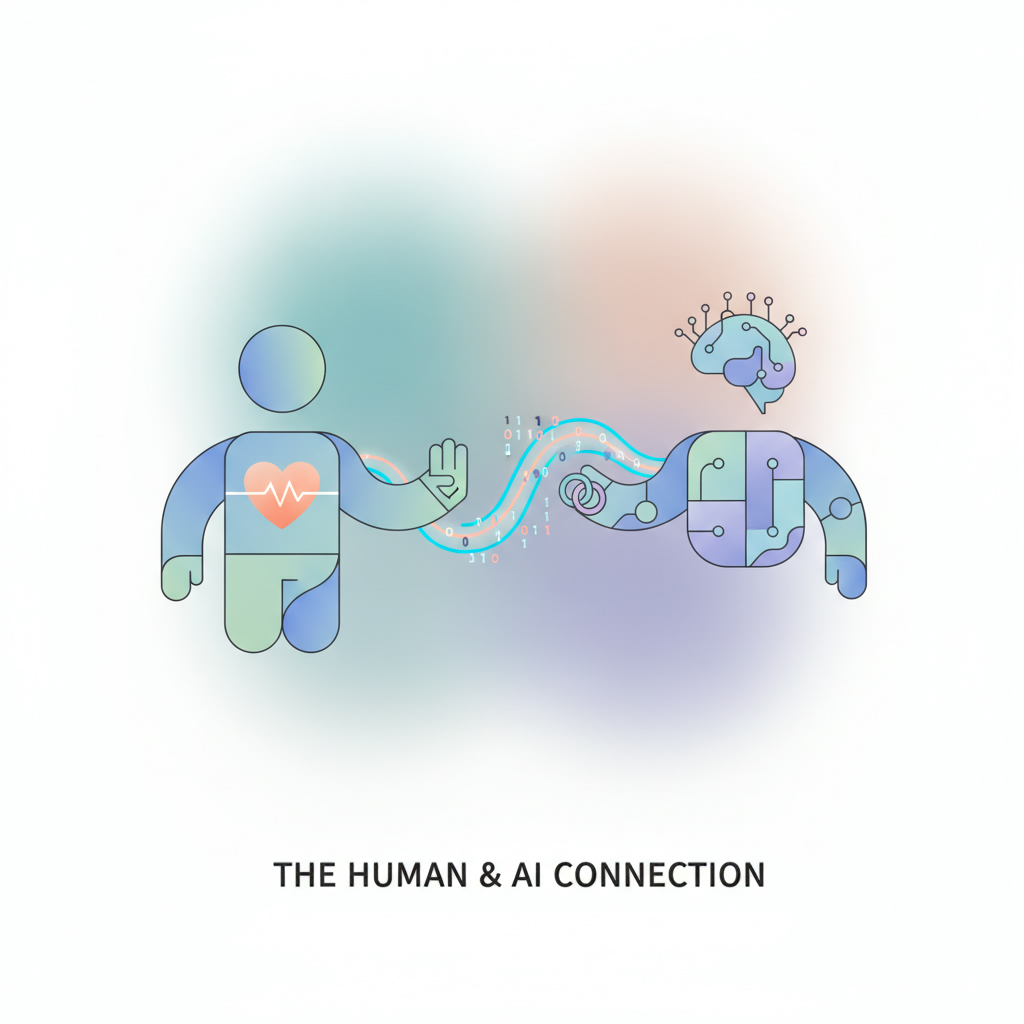
Conclusion: The Importance of Courtesy in AI Interactions
The way we interact with artificial intelligence can shape the future of technology. Saying please and thank you to AI may seem trivial, but it reflects our deeper social habits and can influence AI performance. As we continue to integrate AI into our lives, it’s essential to approach these interactions with kindness and respect. This not only enhances our experience but also sets a positive precedent for future AI developments. If you are looking to implement AI effectively in your organization, consider consulting an AI agency that values respectful interactions. You can learn more about how to hire AI experts and implement AI by visiting Implement Artificial Intelligence.