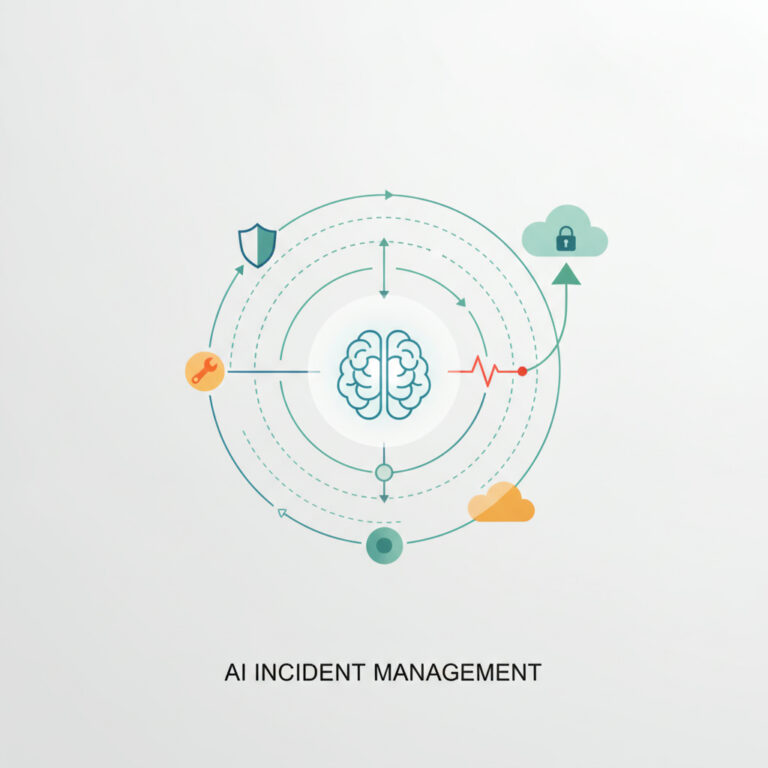
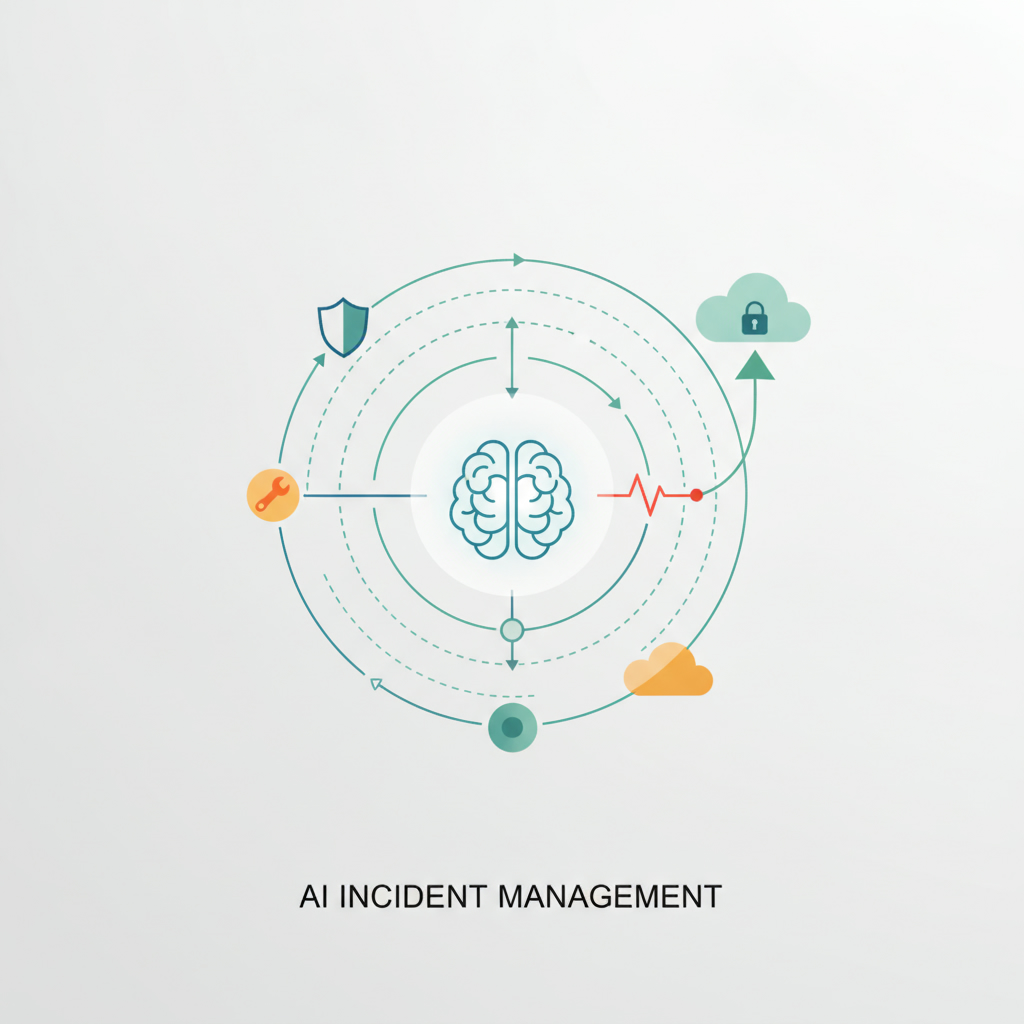
In today’s fast-paced digital landscape, organizations must implement artificial intelligence (AI) to streamline processes and enhance operational efficiency. One critical area where AI can make a significant impact is in major incident management. By leveraging AI-driven tools and workflows, businesses can improve their response times, reduce the chance of human error, and ensure a more efficient resolution of incidents. This article will explore how AI capabilities can transform major incident management, the benefits of utilizing AI agents, and best practices for implementing AI solutions within your organization.
Understanding the Role of AI in Incident Management
AI plays a crucial role in the realm of incident management by automating routine tasks and providing insights that can enhance decision-making. By integrating AI solutions, organizations can improve their incident response capabilities significantly. Experts agree that AI can reduce the time spent on repetitive tasks, allowing teams to focus on more strategic initiatives.
One of the primary benefits of AI in incident management is its ability to analyze vast amounts of data quickly. AI bots can sift through past incidents and current data to identify patterns, enabling quicker diagnosis and resolution of issues. This capability is particularly vital during major incidents, where every second counts.
Key AI Features for Major Incident Management
AI Workflow Automation
Automating workflows is one of the most effective ways to implement AI solutions in incident management. AI-driven workflows can handle tasks like ticket logging, categorization, and prioritization automatically. This ensures that incidents are addressed promptly and efficiently. Organizations that hire AI experts to develop custom workflows can tailor these automations to fit their unique needs.
AI-Powered Communication
During a major incident, clear communication with stakeholders is essential. AI solutions can generate automated emails and notifications based on predefined templates, ensuring that all relevant parties are informed without overwhelming the response team. This capability allows teams to maintain focus on resolving the incident rather than on crafting messages.
Post-Incident Review Automation
One of the most critical aspects of incident management is the post-incident review (PIR). AI can automate this process by compiling all necessary data and generating a detailed report. This not only saves time but also ensures that the review is comprehensive and unbiased. Organizations can improve their future incident responses by analyzing these AI-generated reports.
Implementing AI Solutions for Major Incident Management
Assess Your Needs
Before implementing AI solutions, it’s vital to assess your organization’s specific needs. What are the common types of incidents you encounter? Which processes are most time-consuming? Understanding these pain points will help you identify where AI can be most beneficial.
Choose the Right AI Agency
Selecting an appropriate AI agency to partner with is crucial for the successful implementation of AI solutions. Look for agencies that have a proven track record in deploying AI systems specifically tailored for incident management. This partnership will ensure that you receive the necessary support and expertise throughout the implementation process.
Train Your Team
Even with powerful AI tools, the human element remains essential. Training your team to work alongside AI systems is critical for maximizing their potential. Providing training sessions on how to utilize AI effectively will empower your team and enhance their ability to manage incidents.
Measuring the Impact of AI on Incident Management
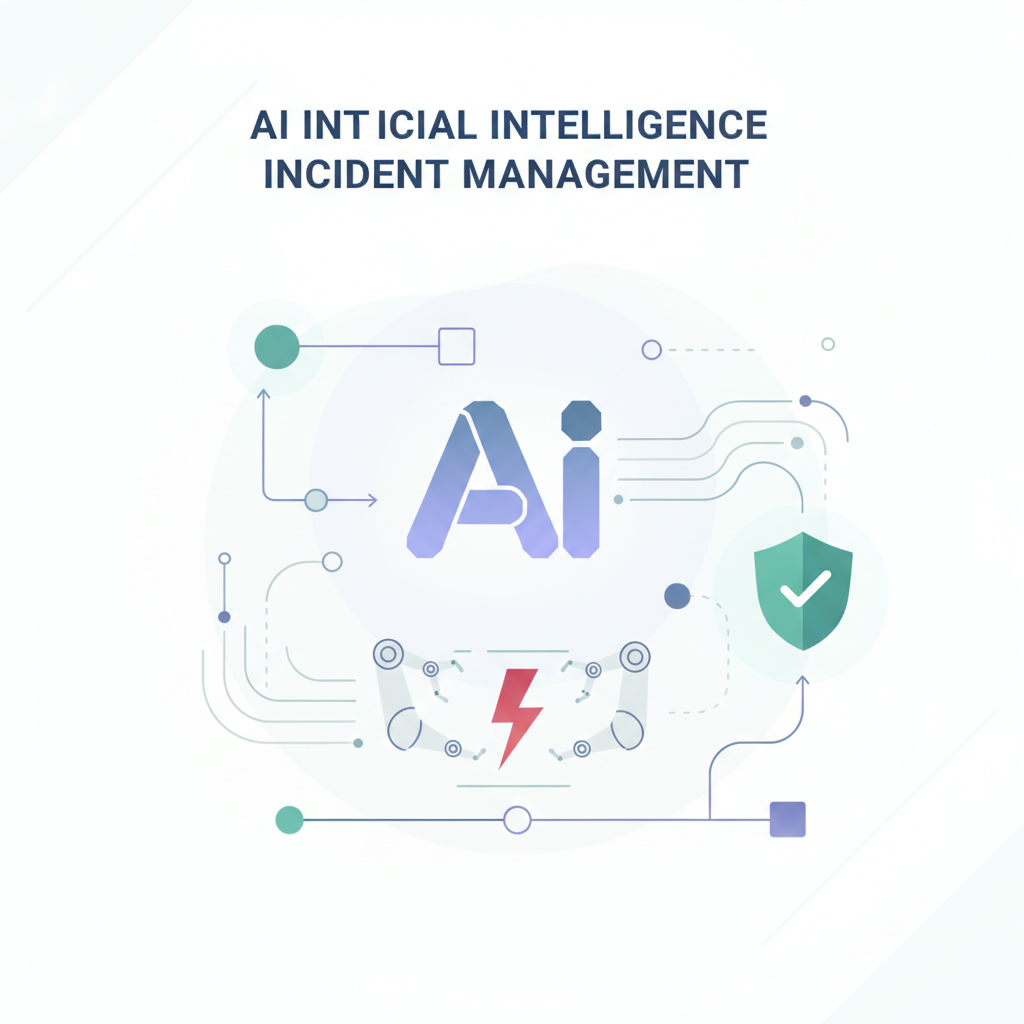
After implementing AI solutions, it’s important to measure their impact. Track metrics such as response times, resolution rates, and stakeholder satisfaction. These data points will help you assess the effectiveness of your AI initiatives and make necessary adjustments.
Studies indicate that organizations using AI in incident management see a notable reduction in resolution times and an increase in overall efficiency. By continuously evaluating and refining your AI processes, you can ensure that your organization remains agile and responsive to incidents.
Conclusion
The integration of AI into major incident management is not just a trend; it’s a necessity for organizations aiming to enhance their operational efficiency. By leveraging AI skills and agents, businesses can dramatically improve their incident response capabilities, ensuring quicker resolutions and better stakeholder communication. To embark on your AI journey, consider partnering with an expert AI agency that can guide you through the implementation process and help you harness the full potential of AI.
For more information on how to implement artificial intelligence effectively, visit Implement Artificial Intelligence today.