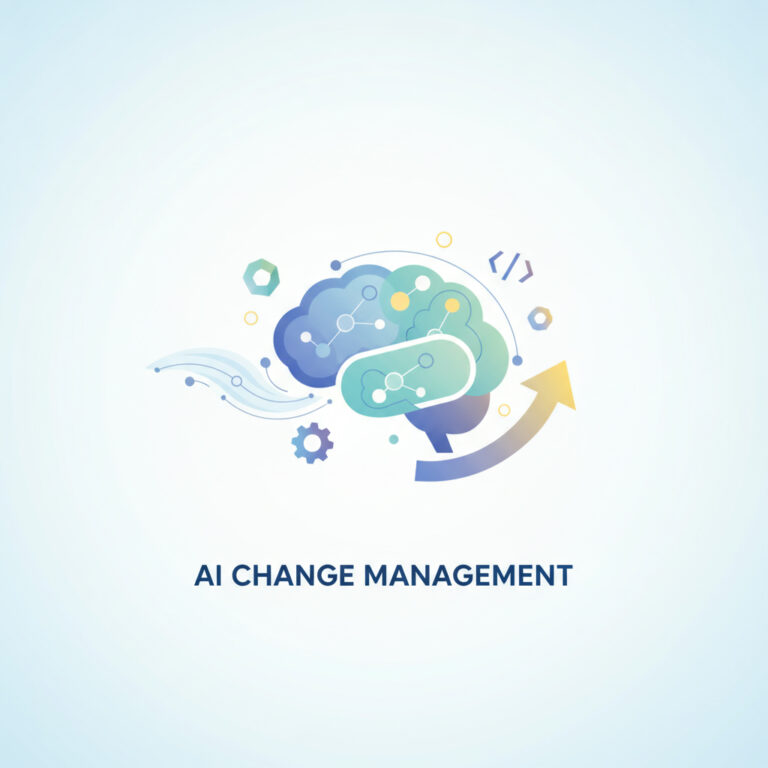
In today’s rapidly evolving digital landscape, the integration of AI into change management processes is not just a trend but a necessity. Artificial intelligence is revolutionizing how organizations implement processes, enabling teams to enhance efficiency and productivity. By harnessing the power of AI workflows, businesses can effectively manage change requests, reduce manual effort, and improve risk assessments. In this article, we will delve into how AI skills and agents can activate transformative change management practices within your organization, providing insights and practical steps to implement AI successfully.
Understanding AI in Change Management
The term “AI” encompasses a wide range of technologies designed to mimic human cognitive functions. In change management, AI serves multiple purposes, from automating repetitive tasks to providing deep insights through advanced data analysis. The essence of leveraging AI is to streamline processes, making them more efficient and less error-prone.
Key Benefits of AI in Change Management
Implementing AI in change management can lead to significant benefits, including:
– Accelerated Approval Processes: AI can expedite approval cycles by summarizing change requests and providing relevant insights to approvers. This reduces the time spent on back-and-forth communication.
– Automated Processes: With AI bots, organizations can automate tedious tasks such as creating outage records and scheduling changes, freeing up personnel for more strategic activities.
– Enhanced Risk Assessment: AI can analyze previous change requests and current data to provide accurate risk evaluations, ensuring that potential issues are identified before they escalate.
– Preventive Measures: By analyzing trends and data, AI can suggest preventative measures to avoid future conflicts and failures in change implementation.
Implementing AI Solutions for Change Management
The successful implementation of artificial intelligence in change management requires a structured approach. Here’s how to effectively implement AI solutions:
1. Start with Out-of-the-Box AI Solutions
Many AI platforms offer ready-to-use solutions. This is an excellent starting point, as it allows organizations to understand how AI services can be incorporated without heavy upfront investment. Begin with the default skills and workflows provided by your AI platform.
2. Customize AI Workflows
Once familiar with the out-of-the-box offerings, organizations can begin customizing AI workflows to meet specific needs. For example, using AI agent studios, companies can create tailored AI agents that address unique change management scenarios.
3. Monitor and Optimize AI Performance
Establishing a dashboard to monitor AI performance is crucial. This enables organizations to track the effectiveness of AI implementations, ensuring that they continue to deliver value. Utilize the AI admin center for a unified view of AI activities across your platform.
Best Practices for Using AI in Change Management
To maximize the effectiveness of AI in change management, consider the following best practices:
– Train Employees on AI Tools: Ensuring that your team is well-versed in using AI tools will lead to higher adoption rates and better outcomes.
– Leverage Data for Continuous Improvement: Use data collected from AI interactions to refine processes and improve decision-making over time.
– Engage Stakeholders: Involve key stakeholders in the implementation process to gain insights and foster acceptance of AI technologies.
Conclusion: Embrace AI for Enhanced Change Management
Integrating AI skills and agents into change management processes is a game-changer for organizations looking to improve efficiency and reduce risks. By following the outlined steps and best practices, businesses can harness the power of artificial intelligence to create a more agile and responsive change management framework. As industries continue to evolve, the ability to adapt through effective AI implementation will be essential for sustained success.
For more insights into how to implement AI in your organization, visit Implement Artificial Intelligence.