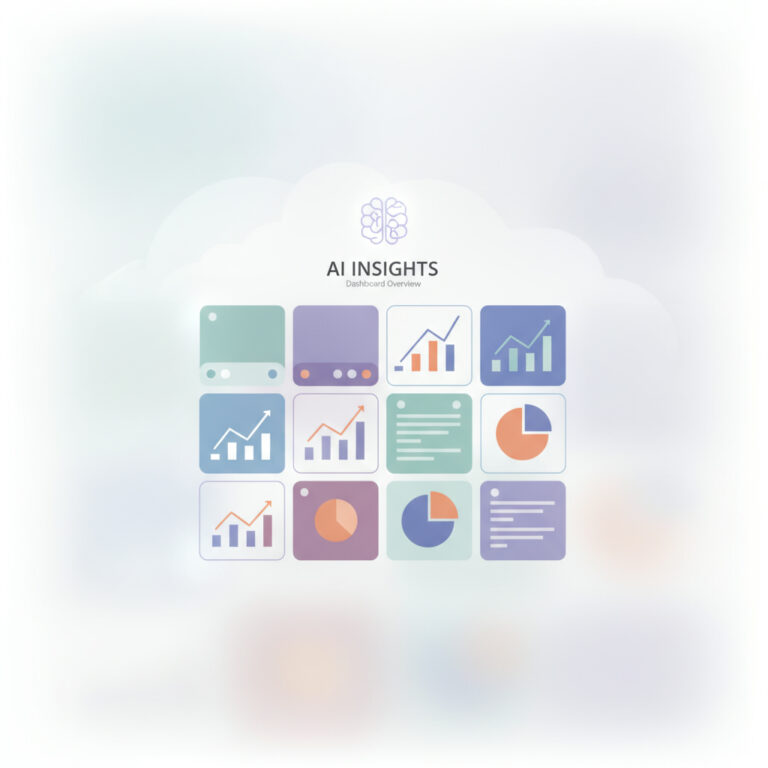

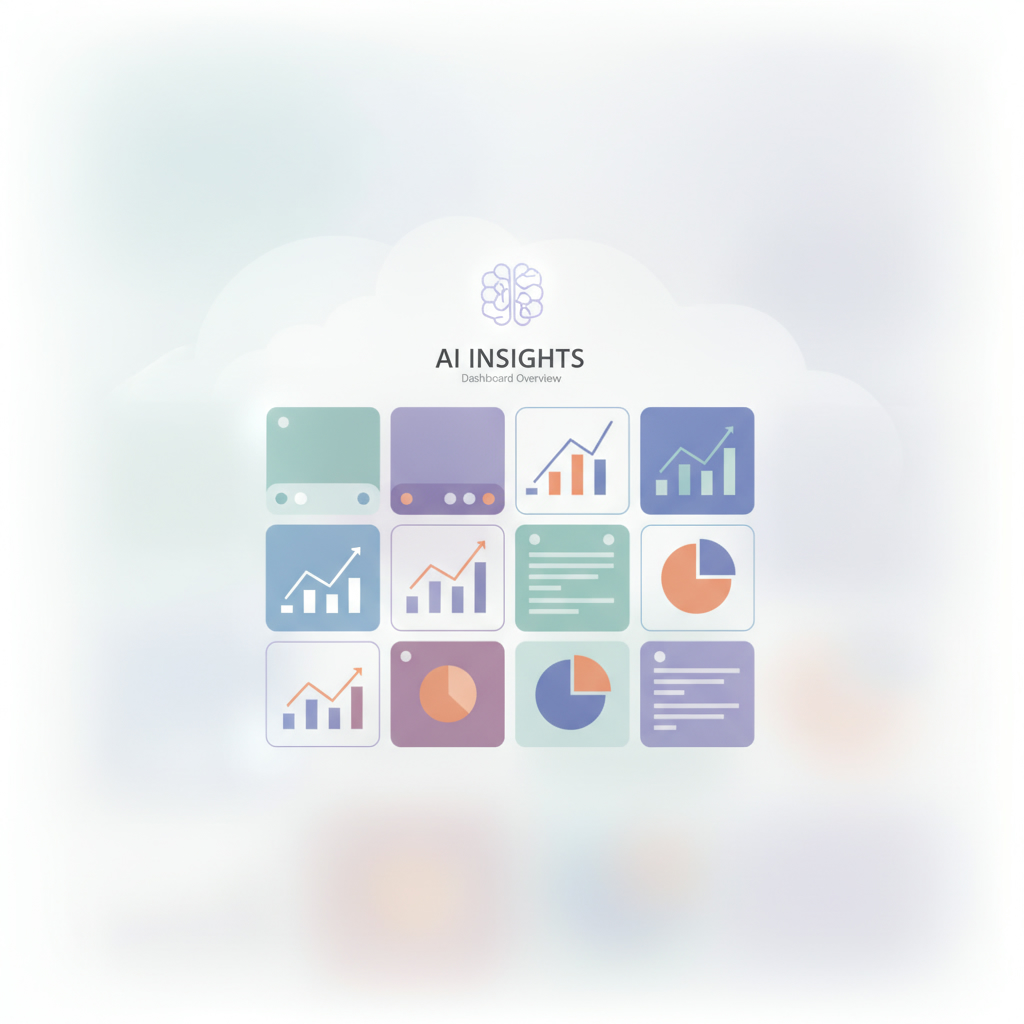
The rise of AI has transformed how businesses approach data visualization and dashboard creation. With the advent of artificial intelligence, organizations are now able to create insightful dashboards more efficiently than ever before. However, this ease of access raises concerns about the quality and reliability of the insights being generated. In this article, we will explore the implications of AI in dashboard creation, the importance of a solid semantic foundation, and how businesses can harness AI services to avoid pitfalls associated with dashboard slop.
Understanding Dashboard Slop in the Age of AI
The term “dashboard slop” refers to the proliferation of poorly constructed dashboards that fail to deliver meaningful insights. As AI tools become more accessible, it’s never been easier to create a dashboard with little to no understanding of the underlying data. While this democratization of data visualization is a positive development, it also poses significant risks. AI tools can generate visually appealing dashboards that lack depth and accuracy, leading to misguided business decisions.
Experts argue that just because anyone can create a dashboard doesn’t mean they should. The complexity of data requires a level of proficiency that many users lack. A solid foundational understanding of the data and its context is crucial for effective dashboard creation. This is where the driver’s license model comes into play: only those trained in data analysis and visualization should be allowed to create dashboards, ensuring a higher quality of insights.
The Importance of a Solid Semantic Foundation
To combat dashboard slop, businesses must prioritize building a strong semantic layer that governs their data. A semantic layer acts as a bridge between raw data and business terminology, making it easier for users to create accurate dashboards that reflect the true state of the business. By implementing a well-structured semantic model, organizations can ensure that everyone is speaking the same language when it comes to data.
– Data fluency: Ensuring users understand how to interpret data visualizations.
– Transparent definitions: Establishing clear definitions for key performance indicators (KPIs) to avoid confusion.
– Training programs: Offering training to employees on how to effectively use AI tools for dashboard creation.
Organizations must recognize that while AI can assist in generating insights, it cannot replace the need for skilled data professionals. Relying solely on AI tools without a foundational understanding of the data can lead to significant errors in interpretation and analysis.

Embracing AI Workflows for Better Insights
To truly benefit from the capabilities of artificial intelligence, businesses should embrace AI workflows that integrate data management, analysis, and visualization. This includes creating a feedback loop where analysts can refine and improve dashboards based on user feedback and performance metrics. By leveraging AI services, organizations can streamline processes, reduce errors, and enhance the quality of their data insights.
– Collaborative platforms: Encourage cross-departmental collaboration to ensure everyone has input on what metrics are most relevant.
– Regular audits: Implement regular reviews of dashboards to identify any inconsistencies or areas for improvement.
– User training: Invest in ongoing training for employees to keep them updated on the latest AI tools and techniques.
The shift towards self-service analytics is not just about providing tools but also about fostering a culture of accountability and continuous improvement in data analysis.
Conclusion: The Path Forward with AI in Dashboard Creation
As businesses navigate the complexities of AI in dashboard creation, they must remain vigilant against the pitfalls of dashboard slop. By investing in a solid semantic foundation, embracing AI workflows, and prioritizing user training, organizations can harness the full potential of artificial intelligence to drive better decision-making. The key takeaway is that while AI simplifies the process of dashboard creation, it is essential to maintain a focus on quality and accuracy to ensure that insights are truly valuable.
For more insights on how to effectively implement AI and improve your data strategies, visit Implement Artificial Intelligence.