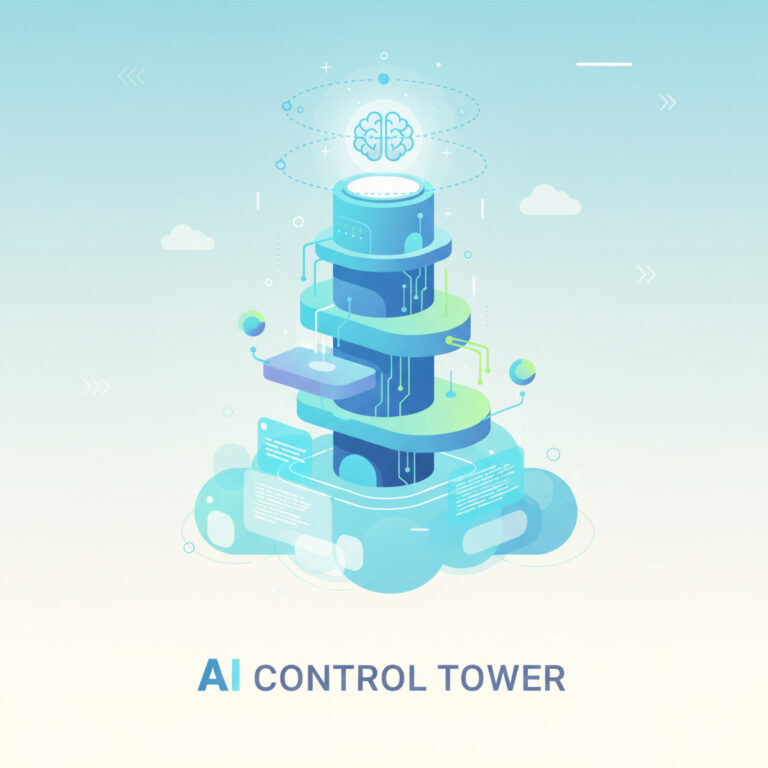
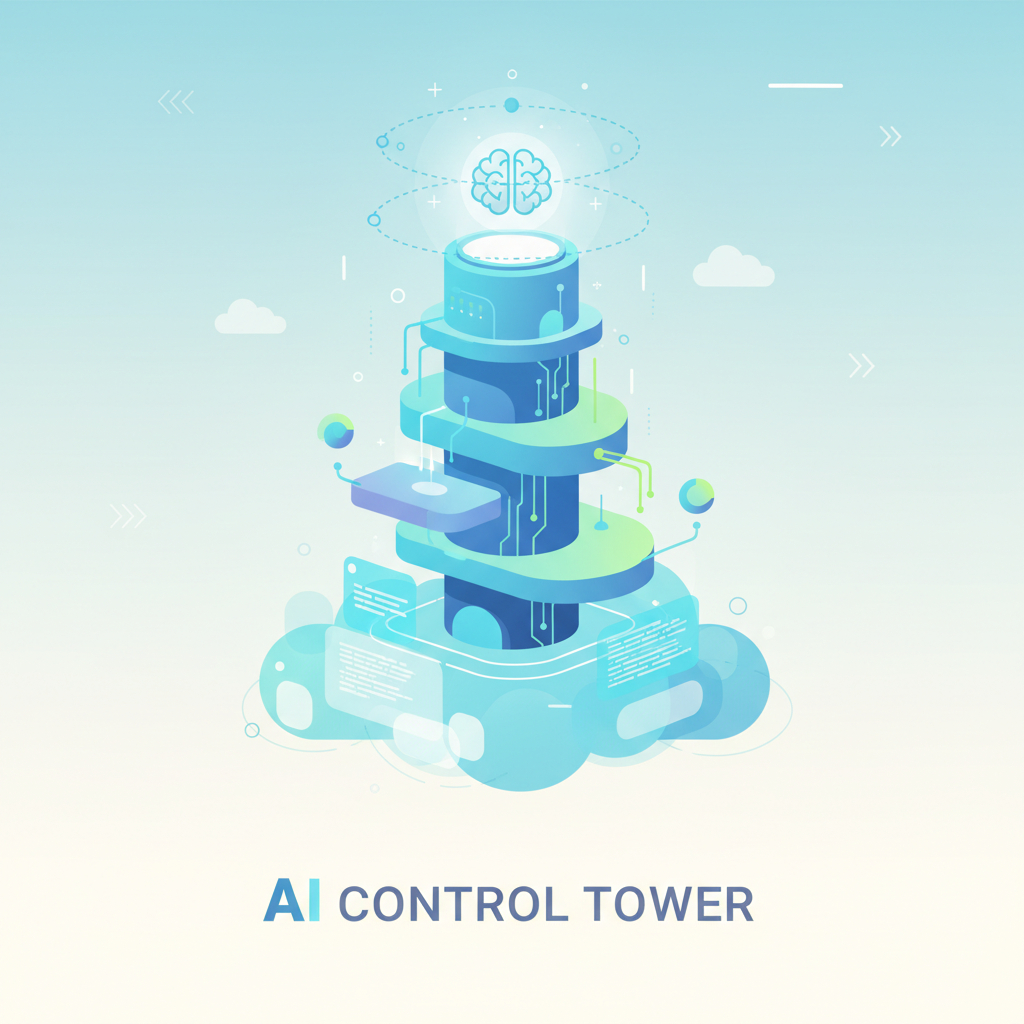
Artificial intelligence (AI) is reshaping the way businesses operate, and the AI Control Tower is a prime example of how it can empower business users across various roles. In today’s digital landscape, understanding how to harness the power of AI can significantly enhance productivity, compliance, and risk management. This post delves into the functionalities of the AI Control Tower from the perspectives of key business users, including AI Stewards, risk and compliance managers, AI product owners, first-line task assignees, and risk analysts.
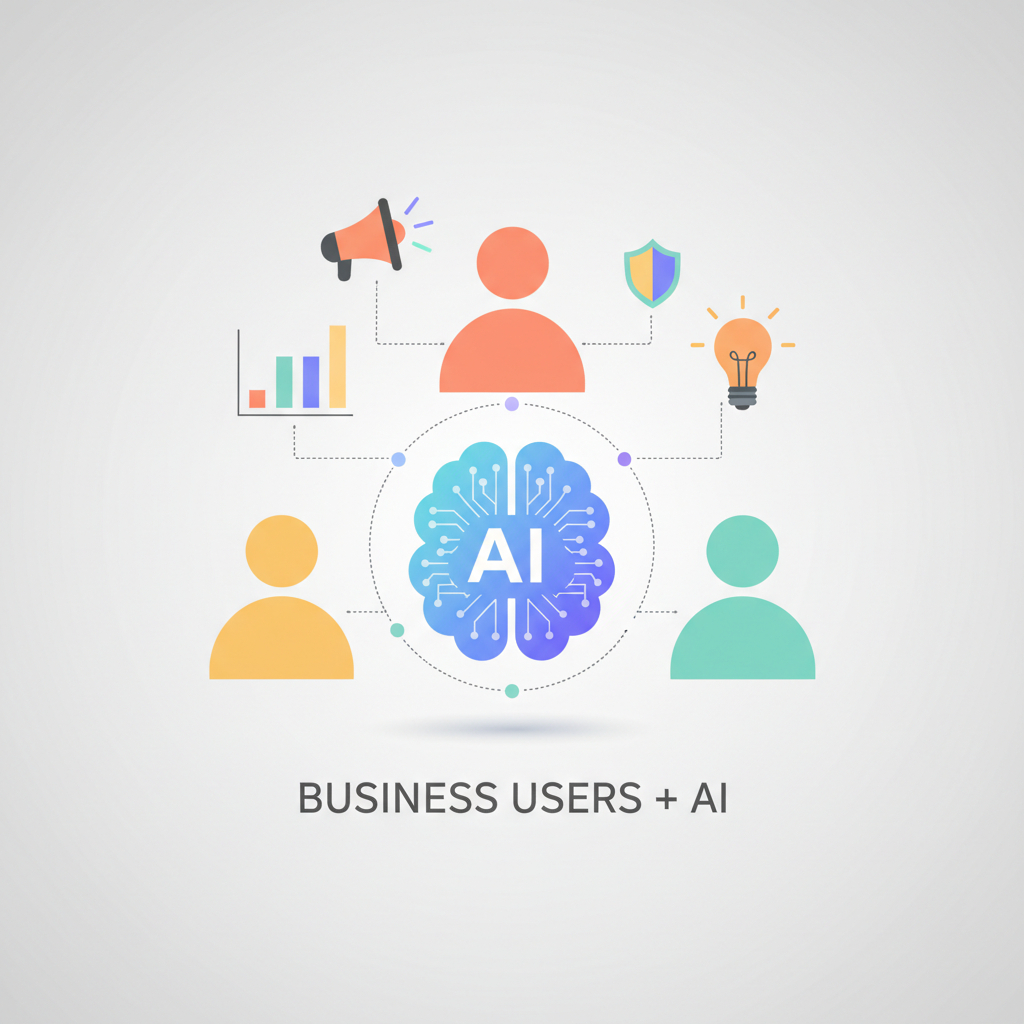
Understanding the Role of AI Stewards in AI Control Tower
The AI Steward plays a crucial role in managing the AI asset inventory, which consolidates data across multiple parameters, including lifecycle phase, type, and risk classification. Research indicates that a comprehensive overview of AI systems allows stakeholders to make informed decisions quickly. The AI Control Tower workspace provides a consolidated view where each analytic is drillable, enabling stewards to access essential records that encompass risk classification, lifecycle status, ownership, compliance, and more, all in a single interface.
Key Features for AI Stewards
– 360-Degree View: The system offers a holistic view of related governance elements such as controls, assessments, risks, and policies. This feature allows users to drill down into any element without navigating away from the record, streamlining governance processes.
– Real-Time Data: The AI Control Tower surfaces live data in various tabs, including AI strategy, value, risk and compliance, security and privacy, AI cases, and AI gateway. This functionality is vital for AI Stewards who must respond to emerging data insights promptly.
The Importance of Risk and Compliance Managers
For risk and compliance managers, the AI Control Tower serves as a hands-on workspace that facilitates effective risk classification and compliance management. Studies suggest that integrating AI into risk management processes enhances accuracy and efficiency.
Features for Risk and Compliance Managers
– Configurable Methodology: The AI Control Tower allows users to classify risks using a customizable methodology tailored to their organizational needs.
– Heat Maps and Assessments: The operations tab provides a visual representation of compliance posture and risk classification through a drill-down heat map, making it easier for managers to identify areas needing attention.
Enabling AI Product Owners
AI product owners can initiate new AI system requests through a structured intake process using the employee portal. This process incorporates use and purpose screening questions that drive automated risk classification, ensuring a seamless entry into the AI ecosystem.
Benefits for Product Owners
– Streamlined Processes: By allowing product owners to submit requests without needing direct workspace access, organizations can encourage innovation and the rapid deployment of AI solutions.
– Automated Risk Classification: The form-driven approach not only simplifies the submission process but also enhances risk management from the outset.
Supporting First-Line Task Assignees
Governance tasks generated by the Lifecycle Playbook are effectively managed by first-line task assignees through the GRC portal. This user-friendly interface allows task assignees to handle risk assessments, control attestations, and other duties without navigating complex systems.
Features for Task Assignees
– Centralized Task Management: Tasks show up in a dedicated ‘My Tasks’ section, simplifying the user experience and enhancing accountability.
– Efficient Submission Processes: Tasks can be opened, completed, and submitted directly from the portal, reducing time spent on administrative duties.
Optimizing Risk Analysts’ Workflows
Risk analysts benefit from AI Control Tower’s ability to manage multiple assessments at scale. The platform’s grid mode allows for bulk risk assessments across various risks and controls, optimizing workflow efficiency.
Advantages for Risk Analysts
– Bulk Risk Assessment: Analysts can score multiple risks in one view, facilitating inline validation and bulk approval processes, which significantly reduces the time required for comprehensive assessments.
– Enhanced Collaboration: The centralized nature of the AI Control Tower fosters collaboration among analysts, stewards, and compliance managers, leading to improved decision-making.
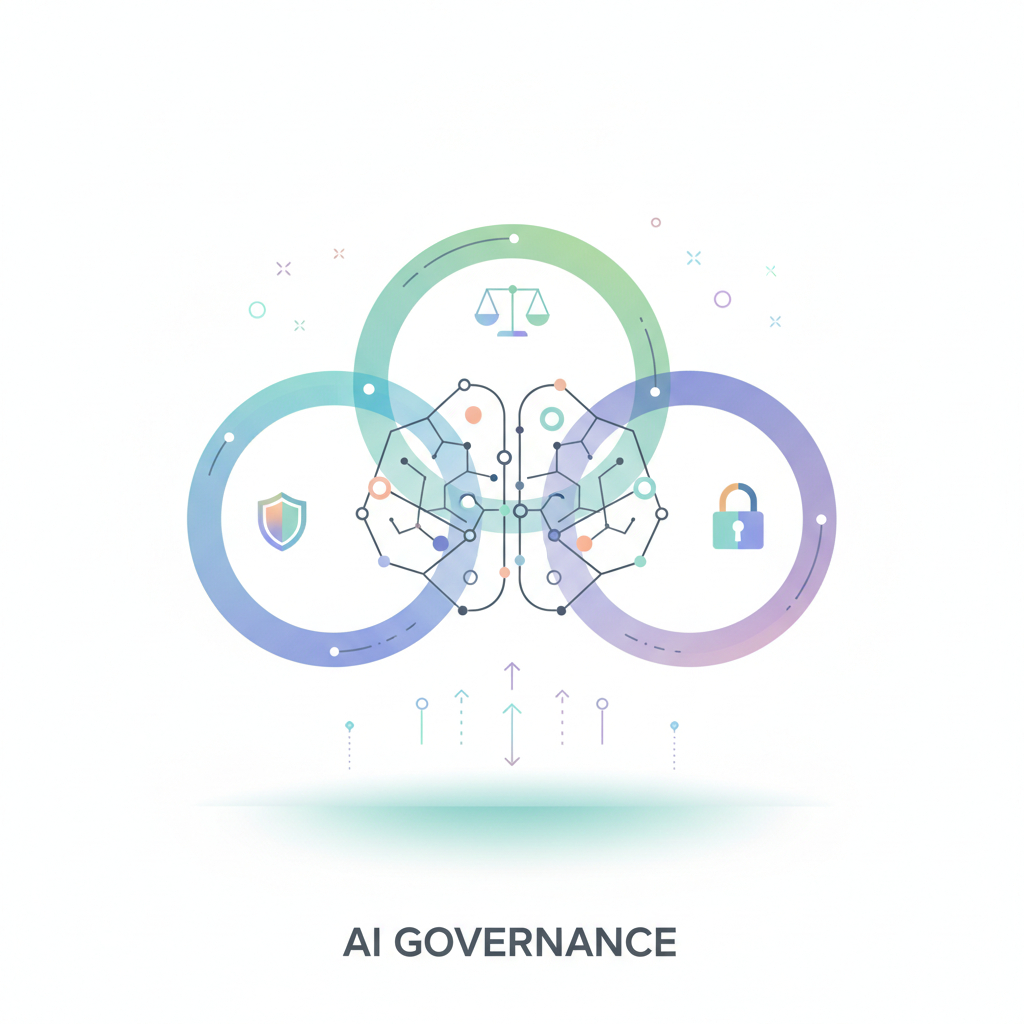
Conclusion: Elevating Business Operations with AI Control Tower
Understanding how to implement AI solutions effectively can transform the operational landscape for various business users. The AI Control Tower empowers AI Stewards, risk and compliance managers, product owners, task assignees, and risk analysts with the tools they need to manage AI assets efficiently and responsibly. As organizations strive to harness the full potential of artificial intelligence, leveraging such comprehensive systems is crucial. If you’re looking to implement AI in your organization, consider consulting with an AI agency to ensure a smooth integration. For more information, visit Implement Artificial Intelligence.