
In today’s digital landscape, the integration of AI into business operations is no longer a luxury but a necessity. Artificial intelligence empowers organizations to enhance efficiency, streamline operations, and improve customer service. One of the most impactful applications of AI is the creation of AI agents designed to solve specific business problems. This article delves into the step-by-step process of building an effective AI agent, highlighting practical use cases and tools that can enhance your AI workflows.
Understanding the Importance of AI Agents in Business
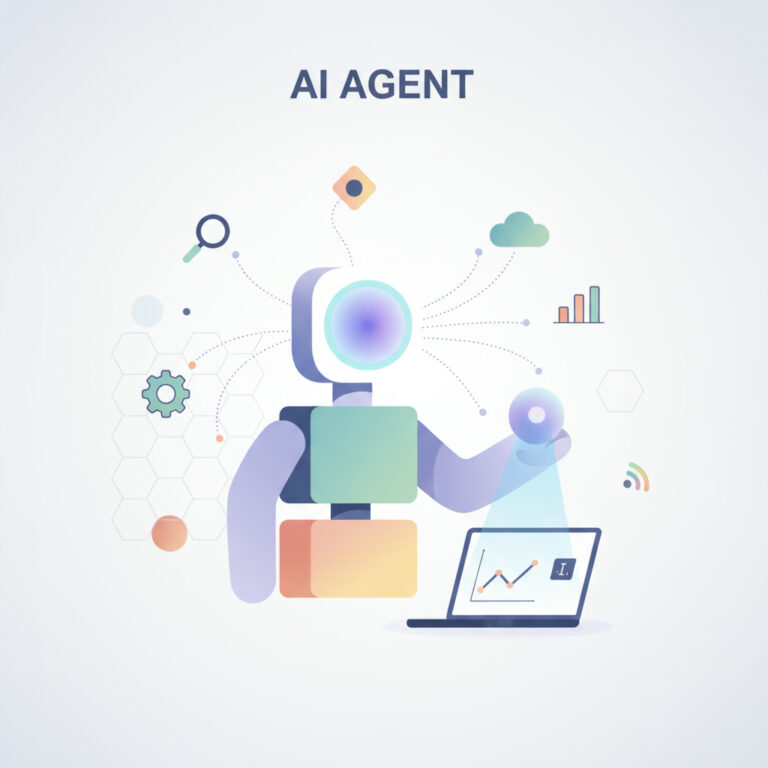
AI agents serve as a bridge between technology and user needs, allowing businesses to automate routine tasks and provide instant support. For instance, many organizations face common IT issues such as software malfunctions or user inquiries about operational tools like Microsoft Teams or Outlook. An AI agent can efficiently handle these inquiries, reducing the burden on human resources and facilitating faster resolutions.
Identifying Use Cases for Your AI Agent
Before diving into the technical aspects of building an AI agent, it’s crucial to identify the specific use cases that will deliver the most value. Research shows that businesses frequently receive inquiries that are easily solvable, such as:
– How to fix camera issues on video conferencing platforms?
– How to set up out-of-office replies in email applications?
By focusing on these common problems, organizations can develop AI agents that provide real-time solutions, thereby improving overall productivity.
Steps to Build Your AI Agent
Building an AI agent involves several key steps that ensure its effectiveness and relevance:
1. Utilize AI Development Tools: Leverage AI development platforms that can assist in creating your AI agent. These platforms often come with built-in features that simplify the process of coding and training your agent.
2. Define Agent Capabilities: Clearly outline what your AI agent should do. For instance, it could help users troubleshoot tech-related issues or guide them through common software functionalities.
3. Iterate and Improve: Start with a basic version of your agent and then refine its capabilities based on user feedback and performance metrics.
4. Integrate Security Measures: Ensure that your AI agent adheres to data privacy regulations and employs security protocols to protect sensitive information. Experts agree that establishing guardrails is essential for maintaining user trust.
Leveraging AI Tools for Enhanced Functionality
To maximize the effectiveness of your AI agent, consider integrating additional tools that improve its functionality. For example, incorporating web search capabilities allows your AI agent to access the latest information and provide up-to-date solutions. This is particularly beneficial in fast-evolving fields where software updates and new features are frequent.
#### Implementing Web Search Capabilities
When building your AI agent, you can add a web search function that enables it to pull data from reliable sources. This feature ensures that your agent can provide accurate information regarding troubleshooting steps or software updates. According to studies, having an AI agent that utilizes real-time data significantly increases its effectiveness in problem-solving.
Testing and Validating Your AI Agent
After building your AI agent, it’s crucial to conduct thorough testing to ensure it meets user expectations. Engage potential users in a testing phase to gather feedback on its performance. Monitoring how your AI agent interacts with users will help identify areas for improvement and ensure it delivers the desired outcomes.
Deploying Your AI Agent Across Channels
Once your AI agent is ready, consider deploying it across various communication channels. This includes integration with platforms like Slack, Microsoft Teams, or even your company’s internal service portal. Providing multiple access points enhances user engagement and ensures that assistance is readily available.
Why Hire an AI Agency?
If your organization lacks the expertise or resources to build an AI agent in-house, hiring an AI agency can be a strategic move. An AI agency brings specialized knowledge and experience, ensuring the development of a robust, efficient AI solution tailored to your business needs. Additionally, they can assist in ongoing maintenance and updates, allowing your team to focus on core business functions.
Conclusion: Implementing AI for Business Success
Incorporating AI into your business operations through the creation of an AI agent can lead to significant improvements in efficiency, customer satisfaction, and productivity. With the right tools and strategies, businesses can leverage AI to address common challenges effectively. If you’re contemplating the implementation of artificial intelligence solutions, consider partnering with an experienced AI agency to guide you through the process. Visit Implement Artificial Intelligence to explore how you can enhance your business operations with AI.
By harnessing the power of AI, you not only streamline your workflows but also empower your workforce to tackle more complex challenges, ultimately driving your organization towards greater success.