In today’s data-driven world, the successful implementation of AI hinges on one critical element: unified business context. AI, or artificial intelligence, can easily falter when data is trapped in silos, leading to inaccuracies and inefficiencies. This is where knowledge graphs come into play, transforming how organizations harness their data for AI applications.
Knowledge graphs serve as a bridge between human language and structured data, enabling natural language queries to be translated effortlessly into database queries. By representing semantic relationships between entities, knowledge graphs reveal connections that would otherwise remain hidden in disparate data silos.
What is a Knowledge Graph?
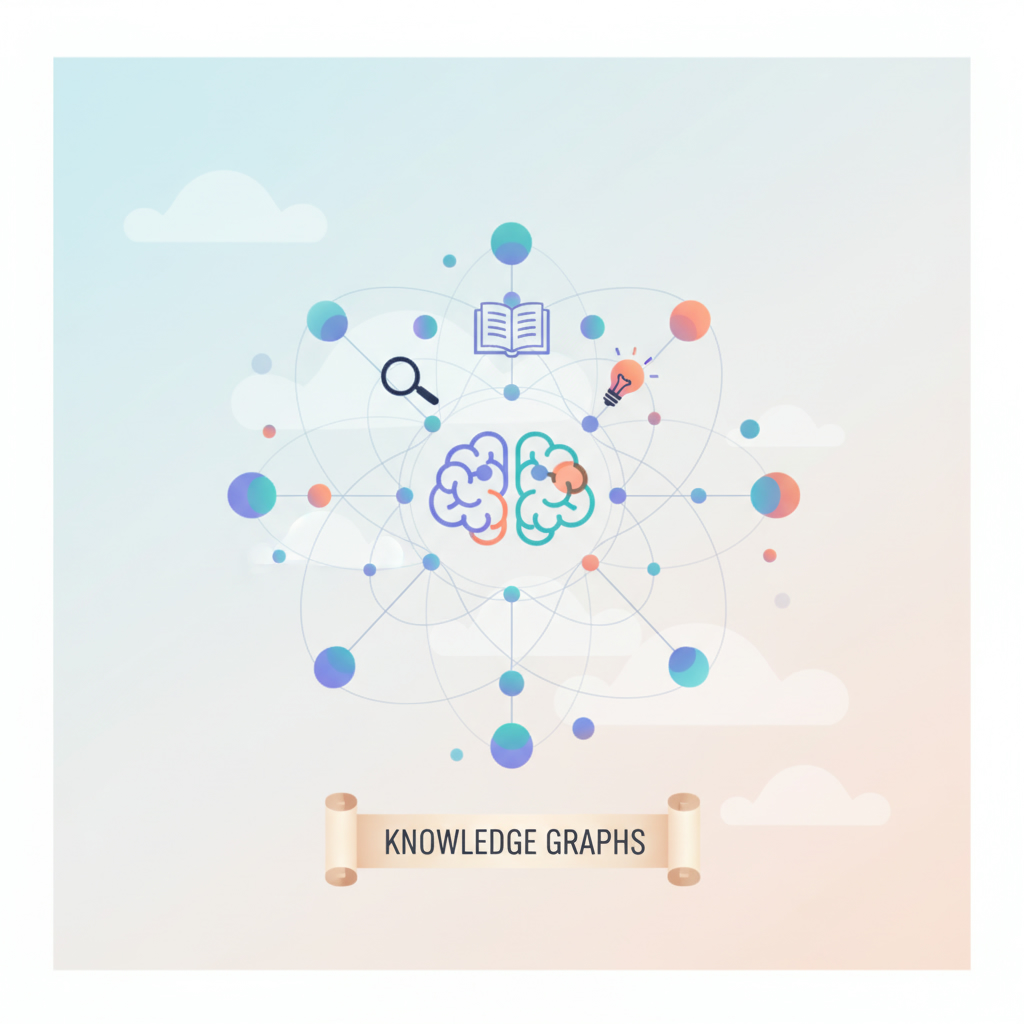
Experts agree that a knowledge graph is a structured representation of information that highlights the relationships between different entities, such as users, assets, and locations. This clear mapping allows AI systems to understand context and deliver accurate responses. Imagine an organization with fragmented data across various departments; AI would struggle to provide meaningful insights without a cohesive structure.
By utilizing a knowledge graph, organizations can define relationships explicitly, such as which employee reports to which manager or which assets belong to a particular department. This structural clarity streamlines AI workflows and enhances decision-making capabilities.
The Key Components of a Knowledge Graph
When working with knowledge graphs, two essential terms come into play:
– Nodes: These are the individual entities that hold information, such as a user or location.
– Edges: These represent the relationships connecting nodes, like “reports to” or “is located at.”
Understanding these components is crucial for effectively implementing AI solutions that leverage knowledge graphs.
Benefits of Implementing AI with Knowledge Graphs
The integration of knowledge graphs into AI systems yields several substantial benefits:
1. Natural Language Queries: Users can ask questions in their natural language, such as, “What’s my incident status?” This functionality eliminates the need for complex forms and training, making the system more user-friendly.
2. Enhanced User Context: AI systems can access contextual data about users—like their roles and departments—allowing for personalized responses.
3. Slot Filling: Knowledge graphs simplify data entry by auto-populating relevant information, allowing users to focus on problem descriptions rather than administrative tasks.
4. Smarter AI Agents: With access to structured data, AI agents can make informed decisions, intelligently routing requests and providing accurate answers grounded in real data.
Practical Applications of Knowledge Graphs in AI
Implementing AI through knowledge graphs has proven effective in various business scenarios. For instance, consider an organization where employees from different departments seek assistance with procurement. The finance employee might need to know how to enroll a personal device in the MDM system, while the IT employee requires a process for requesting a company phone. Knowledge graphs enable the AI to deliver tailored responses based on the specific context of each user, dramatically improving the employee experience.
Building and Integrating Knowledge Graphs
To harness the full potential of knowledge graphs, organizations should start by utilizing tools provided by AI agencies, like ServiceNow. By installing a knowledge graph plugin, organizations can access out-of-the-box graphs, such as user graphs and incident management graphs. This allows teams to customize information presentation while maintaining a robust underlying structure.
As organizations explore knowledge graphs, they will find that starting with a focused use case is crucial. Instead of attempting to model the entire enterprise at once, organizations should target specific modules like ITSM or HR to validate their approach before scaling up. Additionally, leveraging built-in testing tools can streamline the development process and mitigate potential issues before AI agents are deployed.
The Future of AI with Knowledge Graphs
As AI continues to evolve, the need for personalized, context-aware solutions will only grow. Knowledge graphs enable organizations to stay ahead of the curve by providing the necessary infrastructure to support advanced AI functionalities. By implementing AI strategies rooted in knowledge graphs, businesses can unlock new opportunities for efficiency and innovation.
For organizations looking to implement AI effectively, understanding the importance of knowledge graphs is essential. To learn more about how to harness AI in your business, visit Implement Artificial Intelligence.
Through the power of knowledge graphs, AI is not just a technological tool but a transformative approach that can redefine how organizations operate, making them more agile and responsive to changing demands.