In today’s rapidly evolving work environment, AI is not just a buzzword; it’s a transformative force that can enhance productivity and streamline operations. However, the introduction of artificial intelligence tools like Now Assist often brings apprehension among employees. Understanding how to manage these fears is crucial for successful implementation. This guide presents actionable strategies from a culture-building playbook that not only addresses concerns but also fosters excitement around AI integration in the workplace.
Understanding the Fears Surrounding AI
Experts agree that the initial resistance to AI stems from three primary fears:
1. Fear of the Unknown: Many employees are unsure what AI means for their daily roles.
2. Fear of Job Security: Concerns about being replaced by machines are prevalent.
3. Fear of Change: Employees often resist learning new technologies, leading to a reluctance to embrace AI tools.
Acknowledge these fears openly. By doing so, leaders can build trust and create an environment where employees feel heard and valued. Culture building begins with understanding the emotional landscape of your team.
Reframing AI: From Threat to Team Member
Instead of framing AI as a replacement, present it as a supportive teammate. For instance, Now Assist can automate repetitive tasks, allowing employees to focus on engaging and complex problems. This shift in perspective is crucial. If your team feels that AI is there to assist rather than replace them, they will approach it with a more positive attitude.
Show, Don’t Tell: Demonstrating Value
Demonstrating the benefits of AI can significantly reduce apprehension. Instead of merely stating that AI services will save time, showcase specific examples:
– Before AI: Employees spend hours managing routine inquiries.
– After AI: With automation, those hours can be redirected towards strategic initiatives.
For example, if Sarah struggles with repetitive data entry, show her how Now Assist can streamline that process. Visual demonstrations can be powerful motivators, turning skepticism into enthusiasm.
Identifying Your AI Champions
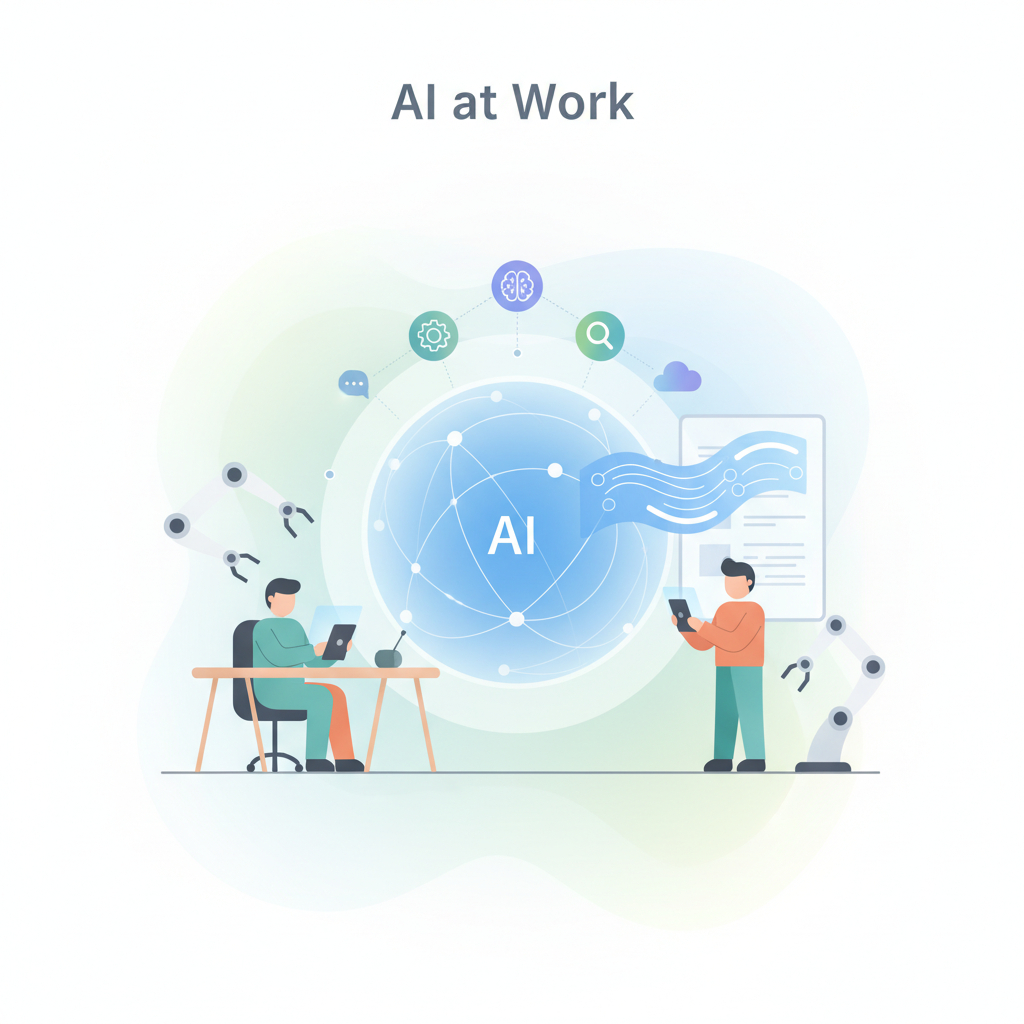
Every organization has early adopters—those who are eager to embrace new technologies. Focus on these individuals to lead the AI initiative. They can serve as internal evangelists, demonstrating the effectiveness of AI to their peers. When colleagues see someone they trust benefiting from AI, they are more likely to overcome their initial fears.
Creating a Safe Environment for Experimentation
It’s essential to create a ‘no stupid questions’ zone where employees can explore AI without pressure. Encourage your team to try out AI workflows, make mistakes, and learn from them. Instituting regular office hours for AI exploration can foster a culture of innovation and comfort with the technology. Celebrating these experiments, even when they don’t yield perfect results, will encourage ongoing engagement.
Setting Realistic Expectations for AI Implementation
Transparency about what AI can and cannot do is vital. Overhyping artificial intelligence can lead to disappointment. Be clear that AI is a tool designed to assist, not a magic solution. For instance, AI excels at routine tasks but cannot replace human intuition or complex decision-making. Setting these boundaries helps employees feel secure in their roles while understanding how to collaborate effectively with AI.
Focusing on Quick Wins to Build Momentum
Successful AI implementation relies on demonstrating quick wins. Start with simple tasks that can show immediate value. For example, using Now Assist to automate ticket categorization can quickly illustrate the benefits of AI. Once these wins are achieved, share them widely—through dashboards, team meetings, or weekly emails—to reinforce the positive impact of AI.
Conclusion: Embracing AI as a Collaborative Tool
The journey of integrating AI into the workplace should focus on the people involved. By acknowledging fears, reframing the narrative, supporting champions, and celebrating successes, organizations can transform the perception of AI from a threat to a valuable assistant. The key takeaway is that implementing artificial intelligence is not merely about the technology but about empowering people to leverage it for improved productivity. For more insights on successfully navigating AI in your organization, visit Implement Artificial Intelligence.
Ready to embrace AI in your workplace? Contact us today and start your journey toward a more efficient future.