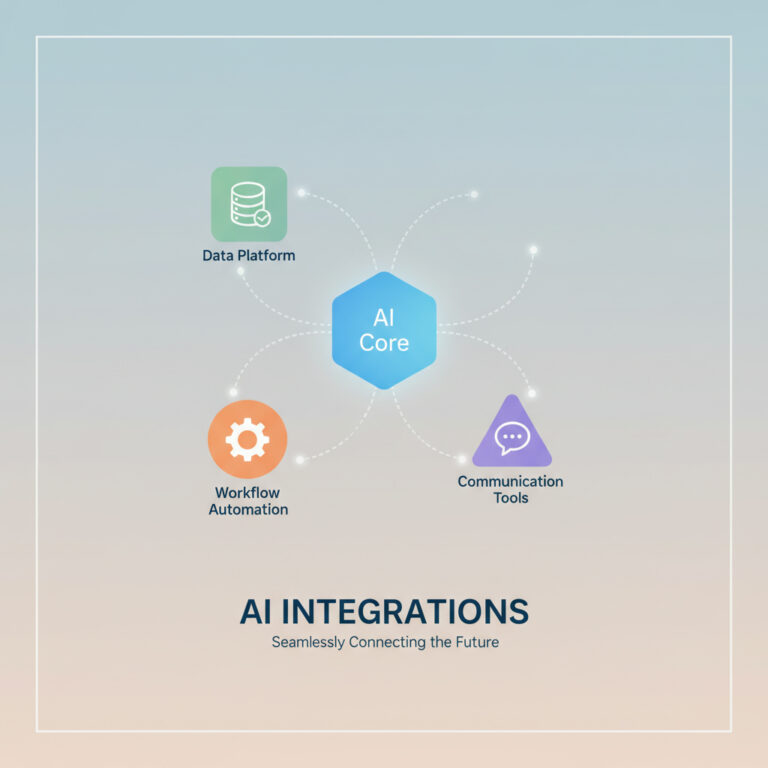
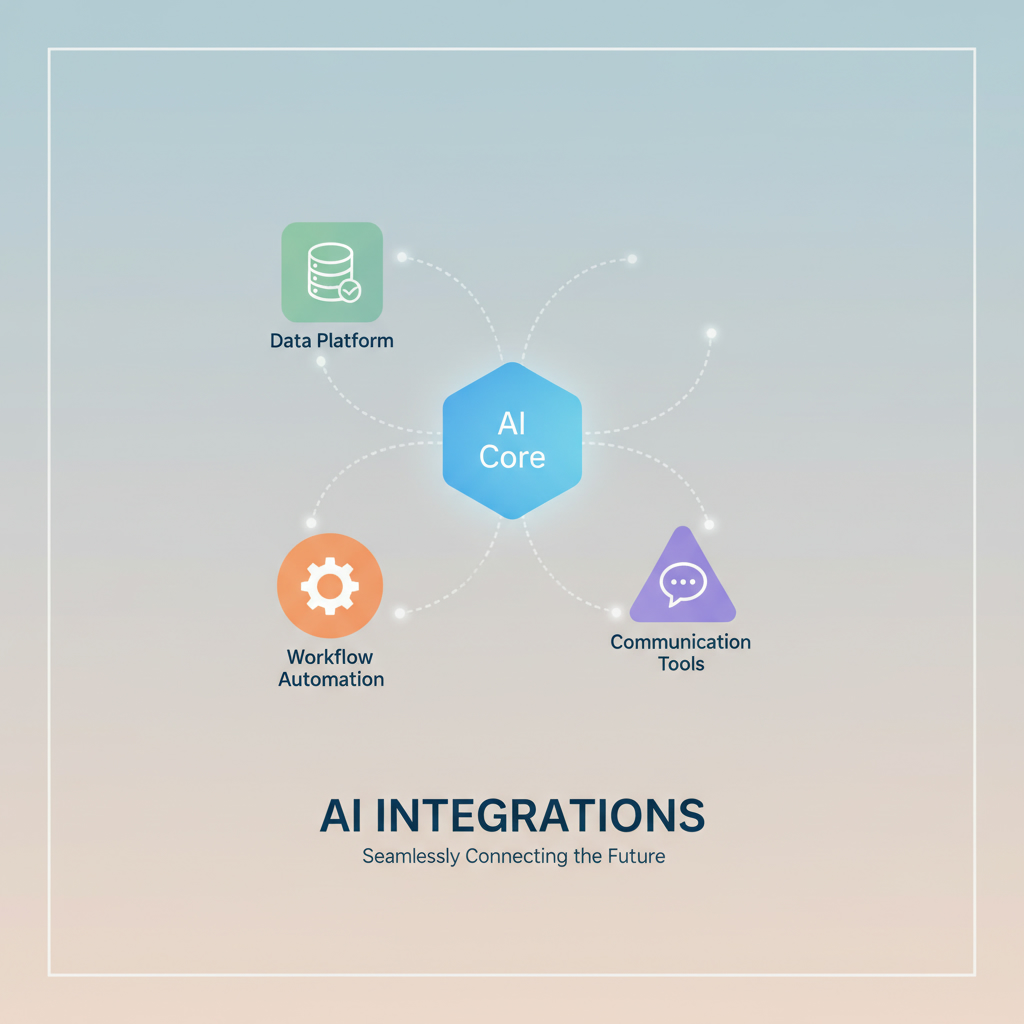
Artificial intelligence (AI) continues to evolve, offering innovative solutions for businesses looking to enhance their operational efficiency. One significant area of focus is the integration of multiple AI agents, which can streamline workflows and improve service delivery. This blog post will explore how to implement AI effectively, specifically through the use of the agent-to-agent (A2A) protocol developed by Google. By integrating AI agents from various platforms, organizations can create a cohesive ecosystem that enhances collaboration and performance.
Understanding Multi-Agent Integrations with AI
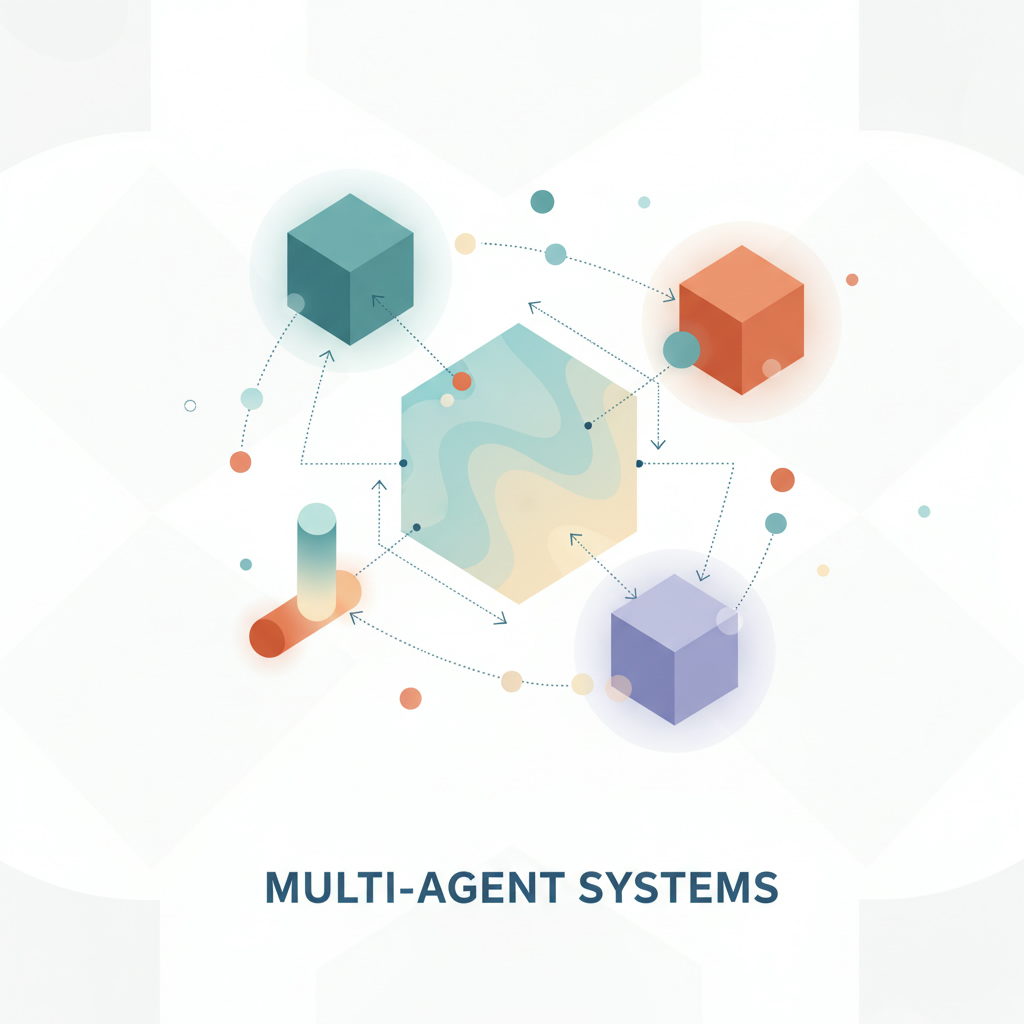
Implementing AI in business processes is not just about adopting new technology; it’s about transforming workflows to maximize productivity. Multi-agent systems leverage AI to facilitate communication between different agents, allowing for better resource management and enhanced service outputs. Experts agree that using protocols like A2A can significantly improve the interaction between various AI services, leading to better decision-making and faster response times.
What is the A2A Protocol?
The agent-to-agent (A2A) protocol enables different AI agents to communicate seamlessly. This open-source protocol allows AI agents from various systems to collaborate and share information. Implementing AI agents using A2A can enhance your organization’s capabilities by:
1. Improving Interoperability: Connect AI agents from multiple platforms, facilitating smoother operations.
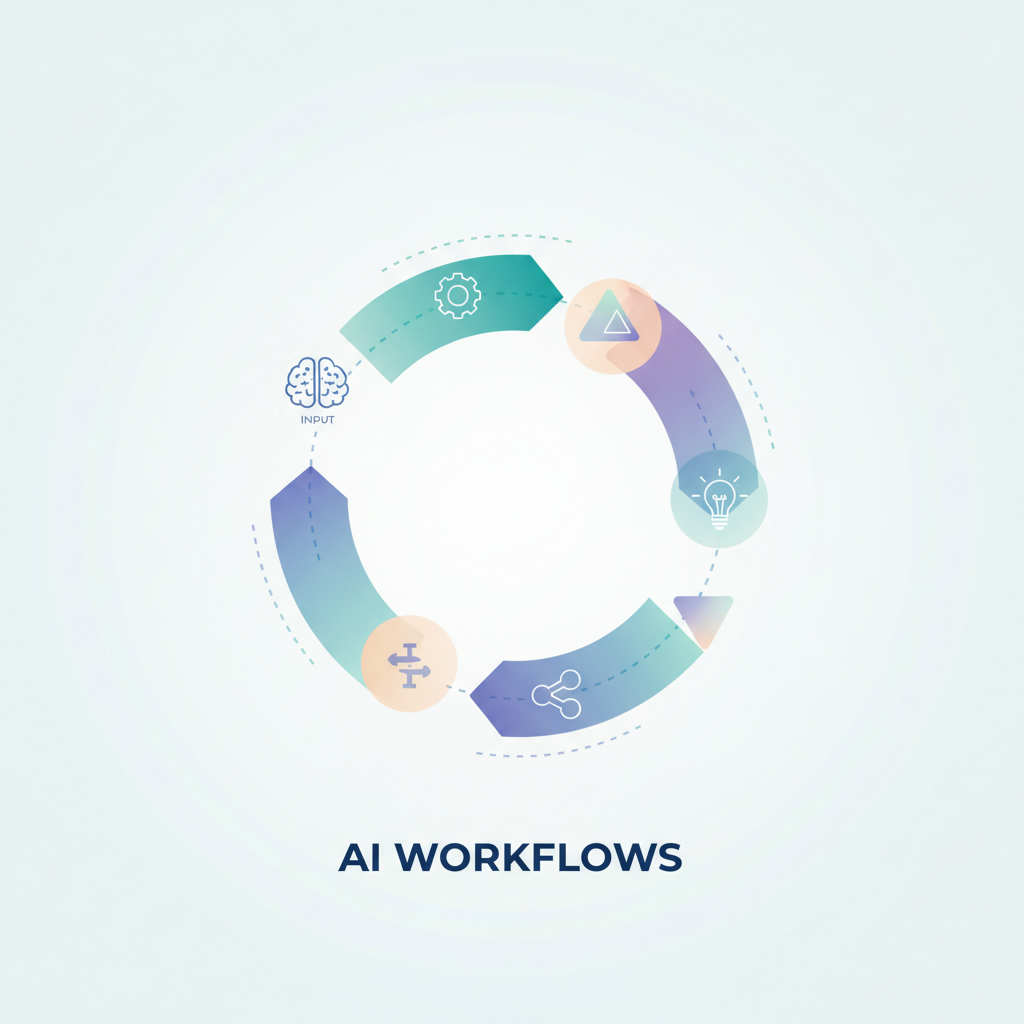
2. Streamlining Workflows: Automate processes that require input from several agents, reducing manual intervention.
3. Enhancing Decision-Making: By collaborating, agents can provide a more comprehensive view of data, leading to better-informed decisions.
How to Implement AI with A2A Protocol
To effectively implement AI agents using the A2A protocol, follow these steps:
#### 1. Assess Your Current Systems
Evaluate your existing AI systems and determine which ones can benefit from integration. Consider how these systems can work together to enhance efficiency.
#### 2. Choose the Right AI Agents
Select AI agents that align with your business needs. This might include agents for customer service, data analysis, or other operational tasks. Make sure they support the A2A protocol for effective communication.
#### 3. Plan Your Integration Strategy
Design a strategy that outlines how the agents will interact. This includes defining workflows, data exchange processes, and response protocols. Ensure that your plan includes security measures to protect sensitive information.
#### 4. Implement the A2A Protocol
Utilize the A2A protocol to integrate your chosen AI agents. This might involve configuring endpoints and ensuring that communication between agents is secure and efficient. Testing is crucial at this stage to ensure that the integration works as intended.
#### 5. Monitor and Optimize
After implementation, continuously monitor the performance of your AI agents. Identify areas for improvement and optimize workflows to enhance the overall effectiveness of your AI solutions.
Benefits of Hiring an AI Agency
For organizations looking to implement AI but lacking in-house expertise, hiring an AI agency can be a game-changer. An experienced AI agency can help you:
– Navigate the complexities of AI integration: They understand the nuances of different protocols and can guide you through the integration process.
– Develop customized AI solutions: Tailor-made solutions can be developed to meet your specific business needs.
– Ensure ongoing support and maintenance: After implementation, having an agency ensures that your AI systems remain efficient and up-to-date with the latest technologies.
Case Study: Successful A2A Implementation
Research shows that companies implementing multi-agent systems using A2A have seen significant improvements in their operational efficiency. For instance, a global travel agency integrated their customer service AI with external agents for flight and accommodation searches. By doing so, they reduced customer wait times by 30% and increased booking accuracy.
Conclusion: Unlock the Power of AI Integrations
Implementing AI, particularly through multi-agent integrations with protocols like A2A, can revolutionize how your business operates. By harnessing the power of AI agents, organizations can improve their workflows, enhance customer experiences, and drive innovation. To explore how to implement AI effectively in your organization, consider contacting an AI agency that specializes in these integrations. They can provide tailored solutions that align with your goals and help you maximize your AI investments. For more insights and assistance, visit Implement Artificial Intelligence.