

Artificial intelligence (AI) continues to revolutionize industries, and recent advancements in AI orchestration are pushing the boundaries of what is possible in AI workflows. One notable player in this field is Sakana Fugu. Their Fugu Ultra model offers a unique approach to AI by delivering powerful capabilities without the constraints of traditional export controls. In this article, we’ll explore the features of Sakana Fugu’s AI, how it stacks up against competitors like Fable and Opus, and what this means for businesses looking to implement AI solutions effectively.

Understanding Sakana Fugu: A New Era of AI
Sakana Fugu has emerged as a leader in AI services, combining multiple AI models to create a cohesive system that enhances performance. The Fugu Ultra model operates on a multi-agent architecture, effectively coordinating various AI models to achieve superior results. This orchestration allows Fugu to dynamically allocate tasks to the best-suited model, thus maximizing efficiency and output quality.
Experts agree that the ability to harness different AI models for specific tasks is crucial for effective AI implementation. This model utilizes a single API to manage complex tasks by directing them to specialized agents, ensuring that each component performs optimally.
Key Features of Fugu Ultra
1. Enhanced Dashboard Functionality
One of the standout features of Fugu Ultra is its impressive dashboard capabilities. Users can receive live data updates, audience insights, and performance metrics in real-time. This level of responsiveness empowers content creators to make informed decisions quickly.
2. AI Analysis and Recommendations
The AI integrated with Fugu Ultra goes beyond mere data presentation; it provides actionable insights and recommendations. Users can analyze video performance, audience engagement, and even receive tailored strategies for improvement. This feature is particularly valuable for businesses looking to refine their digital marketing strategies using AI.
3. Cost and Speed Considerations
While the Fugu Ultra model offers advanced capabilities, it is essential to consider its cost-effectiveness. Initial tests revealed that Fugu Ultra can be significantly more expensive than its counterparts, such as Opus 4.8. Businesses must weigh the benefits of enhanced functionality against the potential financial implications of using this AI service.
Comparing Fugu Ultra to Competitors
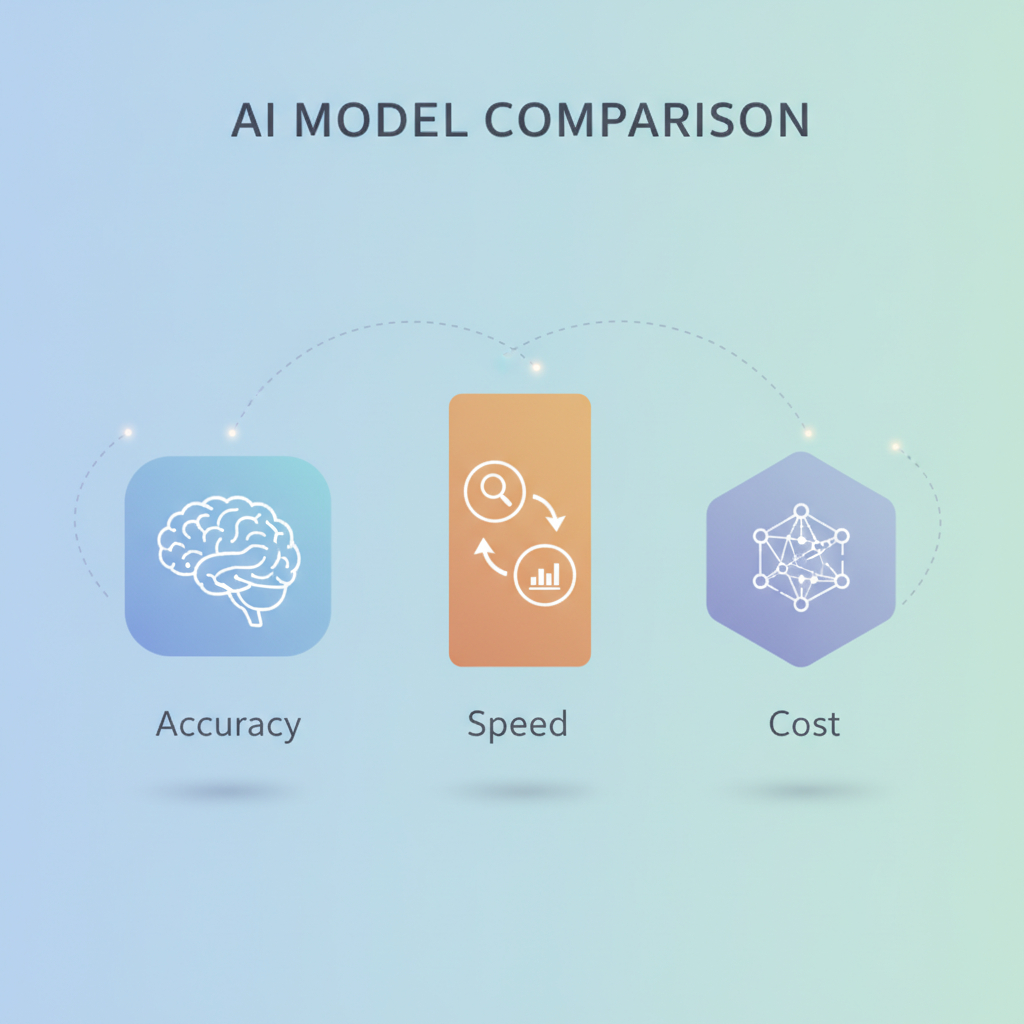
When evaluating AI solutions, understanding how they compare to existing services is critical. Fugu Ultra was tested against Claude Opus 4.8 across various tasks, with interesting results:
– Performance: In many tasks, Fugu Ultra’s performance was on par with Opus 4.8, but it often took longer to process requests.
– Cost Efficiency: Fugu Ultra’s pricing structure can lead to higher costs, with some tasks costing significantly more than similar operations using Opus.
This comparison highlights the importance of selecting the right AI agency for your specific needs. Businesses should consider factors such as performance metrics, cost, and application suitability when deciding which AI to implement.
The Future of AI Implementation
As the landscape of artificial intelligence continues to evolve, the ability to implement AI effectively will become increasingly important. Companies looking to hire AI experts or agencies should focus on those that prioritize orchestration and multi-agent systems. By doing so, businesses can leverage the strengths of various models to maximize their AI workflows.
Research shows that the future of AI lies in its adaptability and integration across platforms. Embracing a multi-faceted approach will allow organizations to remain competitive and innovative in an ever-changing environment.
In conclusion, while Sakana Fugu’s Fugu Ultra presents exciting advancements in AI capabilities, businesses must carefully consider their specific needs and budget constraints. For those interested in exploring AI further, visit Implement Artificial Intelligence to discover expert resources and services that can help you navigate this complex landscape.
Achieving success in AI implementation is not just about selecting the right model; it involves understanding how to optimize workflows and harness the power of AI effectively. By keeping abreast of the latest advancements and being willing to adapt, businesses can truly benefit from the innovations AI has to offer.