The world of artificial intelligence is rapidly evolving, and implementing AI like GLM 5.2 is transforming how businesses operate. Research indicates that GLM 5.2 not only delivers faster results but also does so at a significantly lower cost compared to traditional models like Opus. This blog will explore how to effectively implement artificial intelligence using GLM 5.2, showcasing its capabilities and how it can streamline your AI workflows.
What is GLM 5.2?
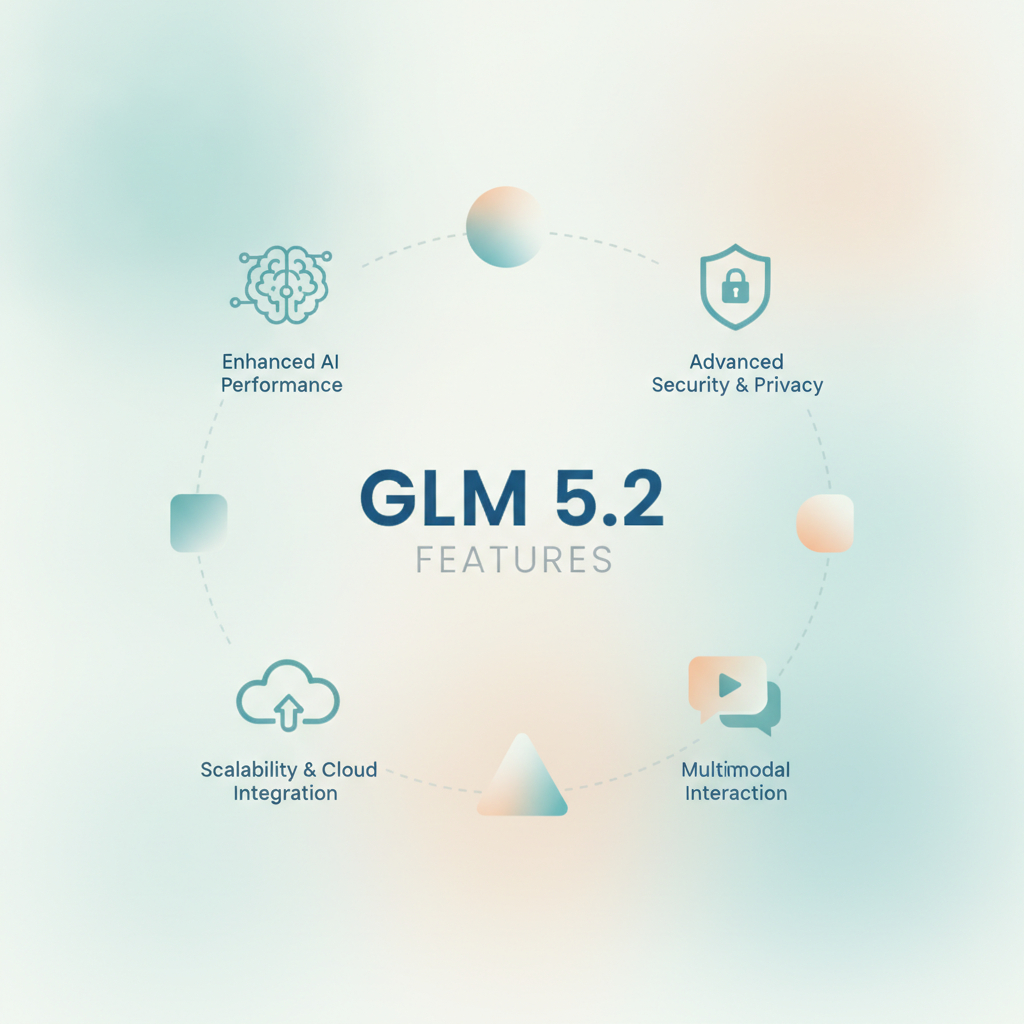
GLM 5.2 is an open-source AI model designed to enhance various tasks, from design to data analysis. With over 753 billion parameters, it offers substantial capabilities that rival those of closed-source models. The AI services provided by GLM 5.2 enable users to automate complex processes, improving efficiency and reducing overhead costs.
Benefits of Implementing GLM 5.2
1. Cost-Effective: Implementing AI using GLM 5.2 is approximately five times cheaper than alternatives like Opus. This affordability makes it accessible for businesses of all sizes.
2. Speed: Early testing shows that GLM 5.2 can complete tasks faster, especially those that do not require heavy reasoning.
3. Design Capabilities: GLM 5.2 excels in creative tasks, producing impressive designs and outputs that can be utilized across various digital platforms.
Setting Up GLM 5.2 in Your AI Workflows
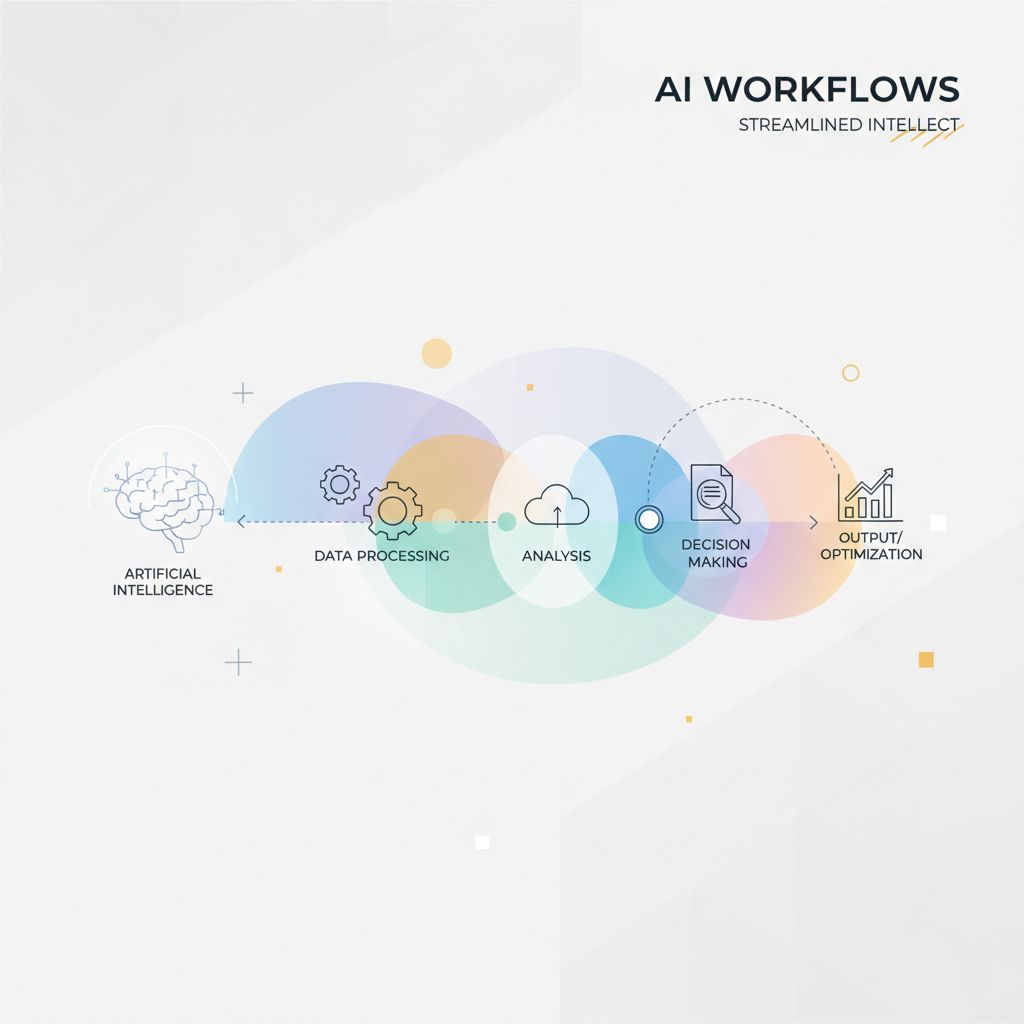
To implement artificial intelligence using GLM 5.2, follow these steps:
– Access the Platform: Visit z.ai to create an account and explore the features.
– API Integration: Obtain an API key and configure it within your cloud code environment. This will allow you to harness the full potential of GLM 5.2 in your projects.
– Utilize Slash Commands: Implement slash commands to streamline interactions with the model, optimizing your AI workflows.
Comparing GLM 5.2 and Opus
While GLM 5.2 shows significant promise, comparisons with Opus reveal nuanced strengths and weaknesses:
– Speed: For simpler tasks, GLM 5.2 often outperforms Opus in terms of speed.
– Accuracy: In complex scenarios requiring detailed reasoning, Opus still holds an edge.
– Cost: The cost efficiency of GLM 5.2 makes it a preferable choice for many routine tasks, allowing businesses to allocate resources more effectively.
The Future of AI Implementation
Implementing AI is not just about choosing the right model but understanding the context in which it will be used. Experts suggest that businesses will increasingly rely on a mix of models for different tasks. For instance, GLM 5.2 is ideal for research and data aggregation, while Opus might be better suited for tasks requiring deeper analysis and reasoning.
The Importance of Open Source Models
Open source models like GLM 5.2 empower businesses to retain control over their AI capabilities. Unlike closed-source options, these models can be run locally, offering flexibility and cost savings. This shift towards open-source solutions is crucial, especially as companies seek to avoid dependency on proprietary models that can change their pricing or availability at any moment.
Conclusion: Elevate Your Business with AI
Incorporating GLM 5.2 into your AI strategy can significantly enhance productivity and efficiency while reducing costs. As the landscape of artificial intelligence continues to evolve, understanding how to implement AI effectively will be key to maintaining a competitive edge. If you’re ready to take the next step in your AI journey, consider hiring an AI expert or agency to guide your implementation process. Explore more about AI services and how to integrate them into your business at Implement Artificial Intelligence today.
Further Reading
For those interested in diving deeper into the world of AI, consider reviewing insights from Stanford University’s AI Research on the latest developments and applications in the field. Such resources will provide valuable context and understanding as you explore how to implement artificial intelligence effectively.