In today’s fast-paced digital landscape, AI is transforming the way organizations operate. By mastering your coding agents, you can leverage artificial intelligence to enhance productivity, streamline workflows, and reduce errors. This blog will explore how to effectively implement AI in your coding processes, ensuring that you maximize the potential of AI technologies.
Understanding AI Coding Agents
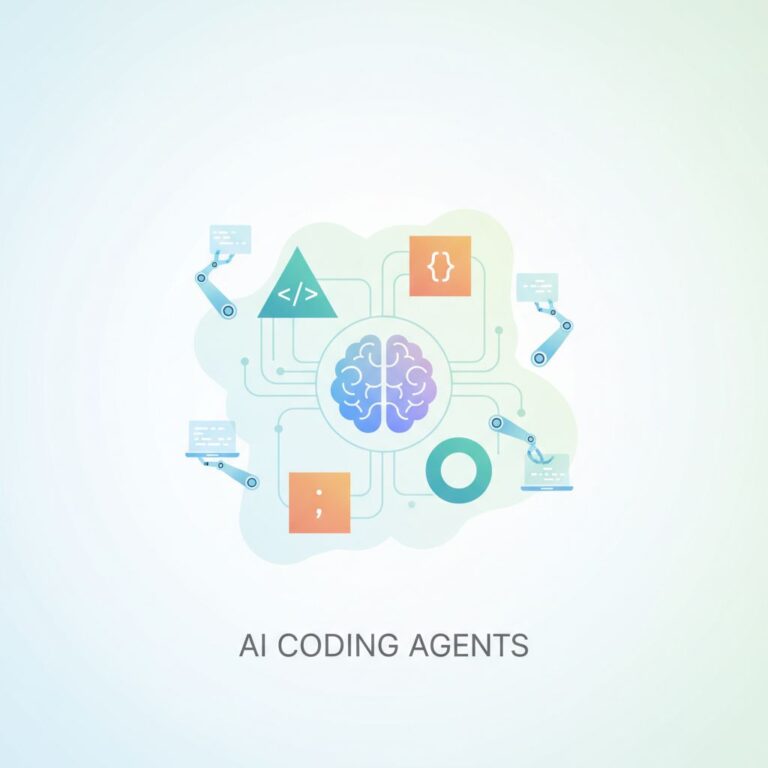
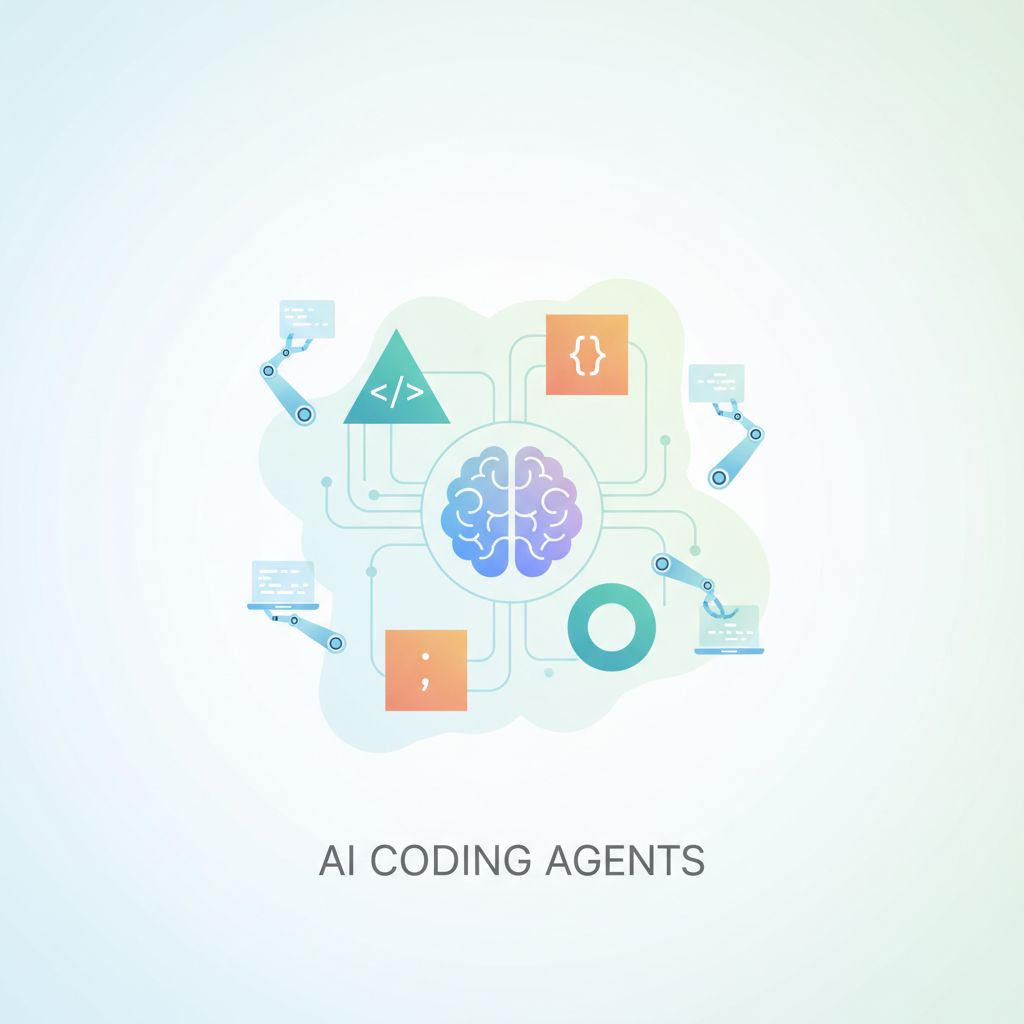
AI coding agents are powerful tools that can automate various programming tasks, allowing developers to focus on more complex problems. By harnessing the capabilities of artificial intelligence, organizations can improve efficiency and reduce the time spent on repetitive coding tasks. Here are some key strategies to consider when working with AI coding agents:
Planning for Success in AI Implementation
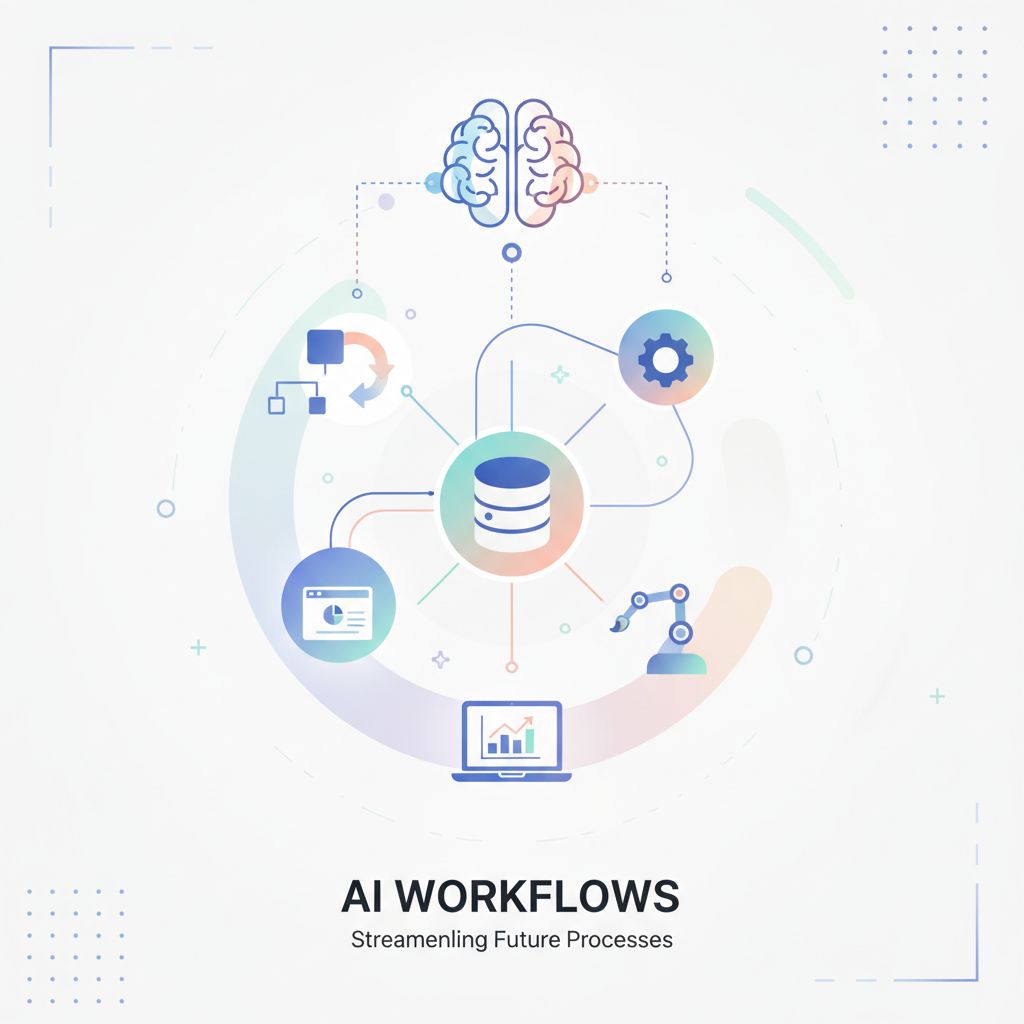
Research shows that one of the most critical steps in successfully implementing AI is thorough planning. Experts agree that spending more time on planning can significantly reduce errors in your coding tasks. When using AI, treat it as your co-founder or second brain, guiding its instruction and ensuring it understands your goals.
When developing AI workflows, always consider the following:
– Define clear objectives: What do you want the AI to achieve?
– Outline validation strategies: How will you verify that your AI coding agent is performing as expected?
– Iterate and improve: Use feedback from the AI’s performance to refine its capabilities.
By establishing these elements upfront, you set your AI coding agent up for success, ultimately leading to a more effective implementation of artificial intelligence in your projects.
Managing Context and Avoiding the Dumb Zone
One common pitfall in AI development is the so-called “dumb zone”—the point at which the AI becomes overloaded and begins to produce poor results. Studies indicate that large language models (LLMs) can handle vast amounts of information, but once this threshold is surpassed, their performance diminishes.
To maintain the effectiveness of your AI coding agent, implement the following strategies:
– Limit Context: Ensure that you are not overwhelming the AI with information. Keep relevant context concise.
– Regularly Update Knowledge: As you work with your AI agent, continually feed it new information and updates so it remains sharp.
– Perform Regular Checks: Validate the AI’s outputs to ensure it is producing accurate and reliable code.
Enhancing Security in AI Workflows
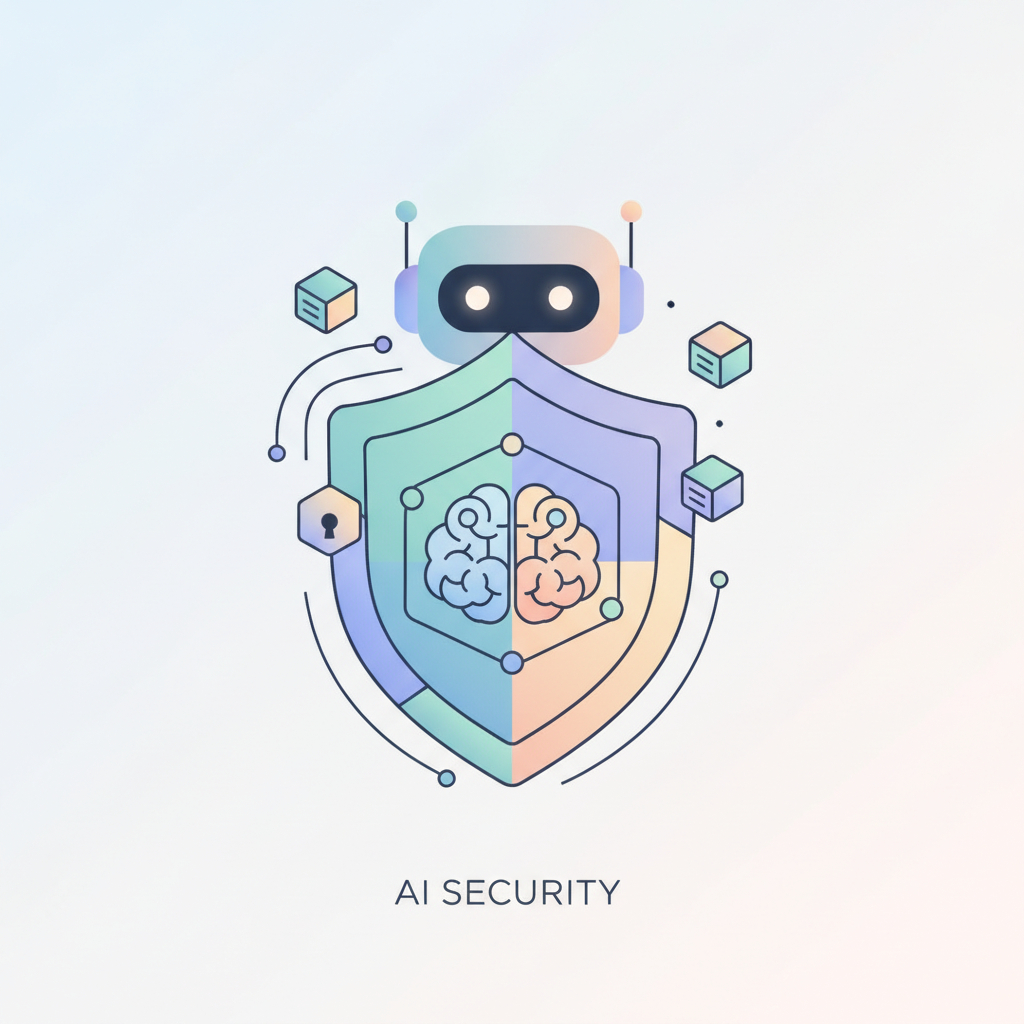
When implementing AI, security should be a top priority. Many users mistakenly believe that prompts alone can serve as sufficient security measures. In reality, a robust security framework is essential to protect sensitive data and prevent unauthorized access.
Here are essential steps to secure your AI workflows:
– Employ Permission Layers: Use scoped keys and secure access controls to limit what your AI coding agent can access and modify.
– Implement Hooks: Utilize hooks in your codebase to enforce security checks whenever the AI attempts to execute commands.
– Regular Audits: Conduct audits of your AI’s actions to ensure it operates within the defined parameters and does not execute harmful actions.
By systematically addressing security concerns, you not only protect your data but also build trust in your AI systems.
Evolving Your AI System Over Time
A significant advantage of using AI is its capacity for continual improvement. Every challenge or error encountered by your AI coding agent can serve as an opportunity for growth. Experts highlight the importance of viewing failures as data points that can inform future strategies.
To foster an evolving AI system, consider the following:
– Document Lessons Learned: After encountering issues, record what went wrong and how to prevent similar problems in the future.
– Adapt Your Approach: As your understanding of AI improves, adjust your methods and strategies to reflect new knowledge.
– Encourage Innovation: Promote a culture of experimentation within your team, allowing your AI to explore new avenues for improvement.
Conclusion: Maximizing AI’s Potential
To truly harness the power of AI, organizations must adopt a proactive approach to managing their coding agents. By focusing on planning, context management, security, and system evolution, you can effectively implement artificial intelligence within your processes. As you refine and enhance your AI workflows, you unlock the potential for greater efficiency and innovation.
For those looking to dive deeper into the world of AI and its applications, consider hiring an AI expert to guide your journey. Embrace the future of technology and stay ahead of the curve by implementing AI in your organization today.