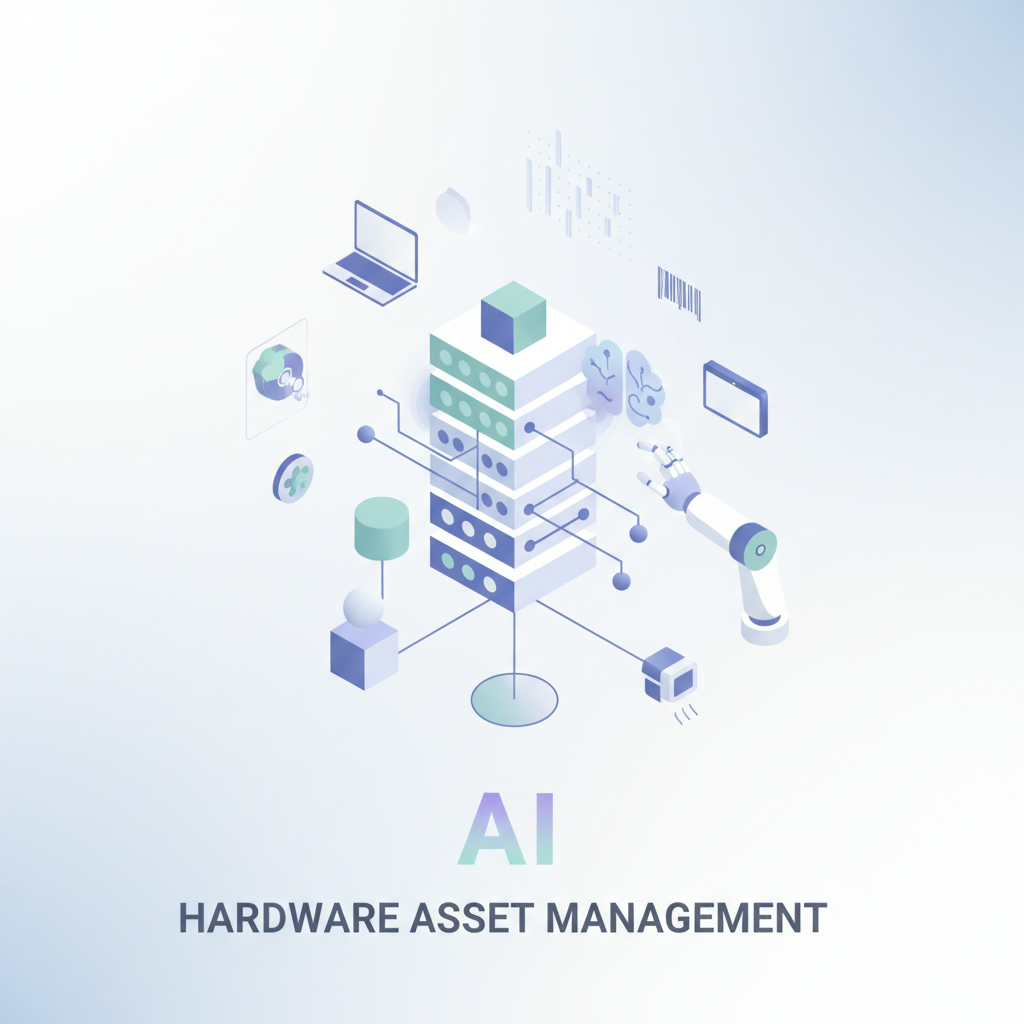
In today’s fast-paced business environment, AI-driven hardware asset management is crucial for optimizing performance tracking and ensuring efficient operations. As organizations increasingly rely on technology, understanding how to implement artificial intelligence systems can dramatically enhance the management and performance of hardware assets. This article will explore key features of AI in hardware asset management, focusing on asset performance tracking and its benefits, considerations, and configuration processes. By leveraging AI, organizations can improve their asset management strategies, reduce downtime, and maximize ROI.
Understanding AI in Hardware Asset Management
Integrating artificial intelligence into hardware asset management allows organizations to monitor and measure asset performance throughout their lifecycle. Traditional methods often rely on manual audits and assumptions, which can lead to inefficiencies. AI provides a data-driven approach that focuses on key performance indicators (KPIs), ensuring a more accurate assessment of hardware assets.
Key Performance Indicators (KPIs) for Hardware Assets
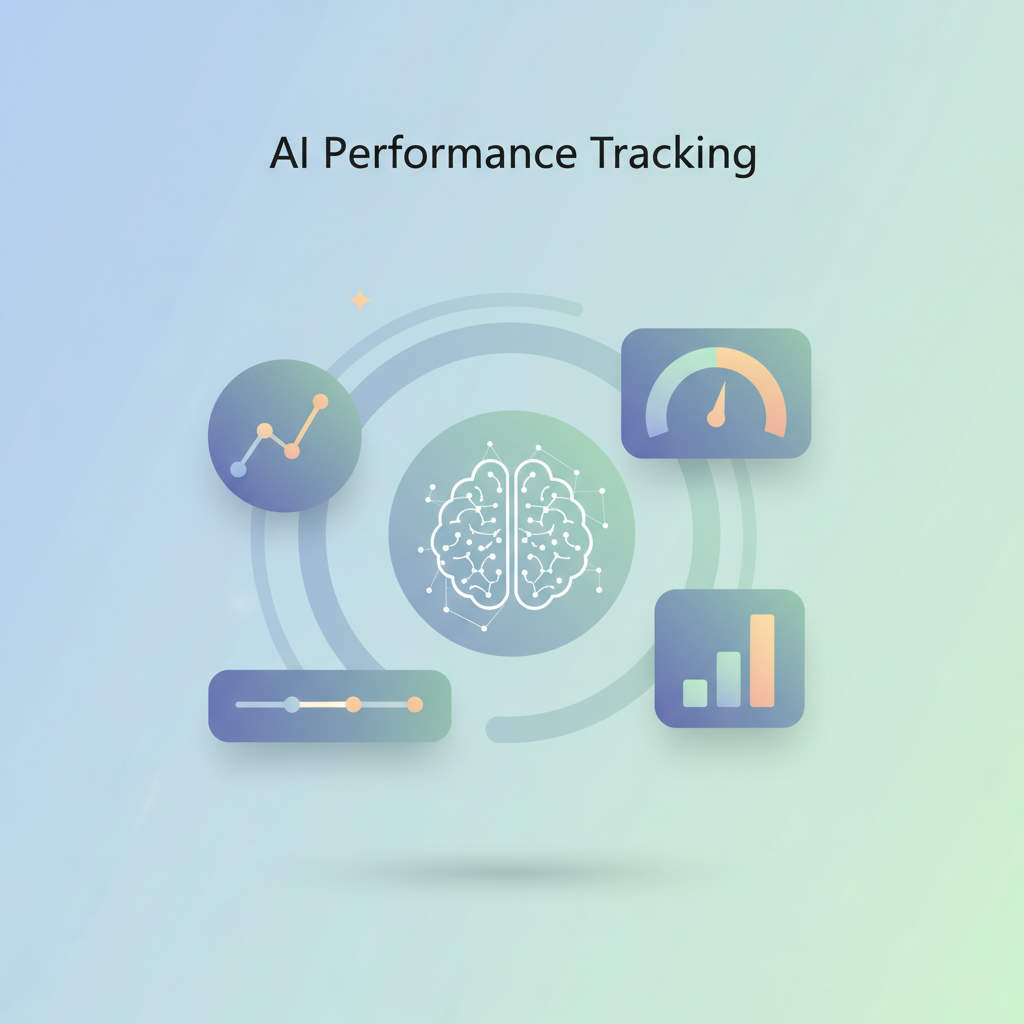
AI enables organizations to track essential KPIs, which include:
– Asset Availability: Measures the uptime of hardware assets, indicating how often they are operational.
– Mean Time Between Failures (MTBF): Assesses the reliability of assets; the longer the time between failures, the more reliable the asset.
– Mean Time to Repair (MTTR): Tracks how quickly issues are resolved when assets fail, highlighting the efficiency of the support team.
– Total Asset Task Time: Aggregates time spent on tasks related to a specific asset, providing insights into operational efforts.
These metrics allow organizations to make data-driven decisions, enhancing operational efficiency and asset utilization.
Benefits of Implementing AI in Asset Performance Tracking
Implementing AI into hardware asset management brings numerous benefits:
1. Reduced Unplanned Downtime: AI systems can proactively detect issues before they become significant problems, allowing for timely maintenance.
2. Real-Time Monitoring: Continuous monitoring of asset health ensures that organizations can respond to issues promptly, minimizing disruptions.
3. Enhanced Maintenance Efficiency: Leveraging metrics like MTTR and MTBF helps streamline maintenance processes, reducing wasted efforts and improving technician productivity.
4. Maximized Asset Lifespan and ROI: Early detection of wear and tear can prevent costly replacements, allowing organizations to extend the lifecycle of their hardware.
5. Alignment with SLAs: AI ensures that asset performance meets the uptime targets defined by service level agreements, compliance mandates, or production schedules.
Considerations Before Enabling AI-Driven Asset Performance
Before adopting AI-driven performance tracking, organizations should consider several factors:
– Not all asset types are eligible for AI performance tracking; eligibility excludes pallets, consumables, or bundled assets.
– The asset performance feature requires explicit configuration to start measuring KPIs automatically.
– Organizations must opt in via resource categories, ensuring the correct asset classes are monitored.
Configuring AI for Hardware Asset Performance
Setting up AI for hardware asset performance tracking involves a few key steps:
1. Enable Resource Categories: Opt-in for specific asset model categories to track performance.
2. Define Operational and Asset Schedules: Operational schedules determine your team’s working hours and holidays, while asset schedules define when specific assets are expected to be operational.
3. Run Jobs for Data Population: After the configurations are set, run the necessary jobs to populate performance data for analysis.
Accessing AI Performance Reports
Performance reports are crucial for assessing the effectiveness of AI in asset management. Within the hardware asset management workspace, the asset performance tab provides key insights:
– Availability Card: Displays average availability across all tracked hardware assets.
– MTBF and MTTR Cards: Offer detailed views of reliability and repair times.
– Asset Availability Detail Section: Breaks down performance metrics for individual assets, helping identify underperforming units.
Organizations can leverage these reports to make informed decisions about asset management strategies, enhancing overall operational efficiency.
Engaging an Expert AI Agency for Implementation
To fully benefit from AI-driven hardware asset management, consider partnering with an expert AI agency. Hiring an AI expert can streamline the integration of these technologies, ensuring you implement the best solutions tailored to your organization’s needs. Their expertise will help you avoid common pitfalls and maximize your AI investment. Explore implement artificial intelligence for more information on how to optimize your asset management through AI.
In summary, AI-driven hardware asset management is transforming how organizations track and manage their hardware assets. By understanding the key features, benefits, and considerations, businesses can leverage AI to enhance performance tracking. Implementing artificial intelligence not only improves operational efficiency but also drives better financial outcomes. For organizations looking to stay competitive, embracing AI in asset management is a step towards achieving excellence.
Explore the possibilities of AI in your organization today.