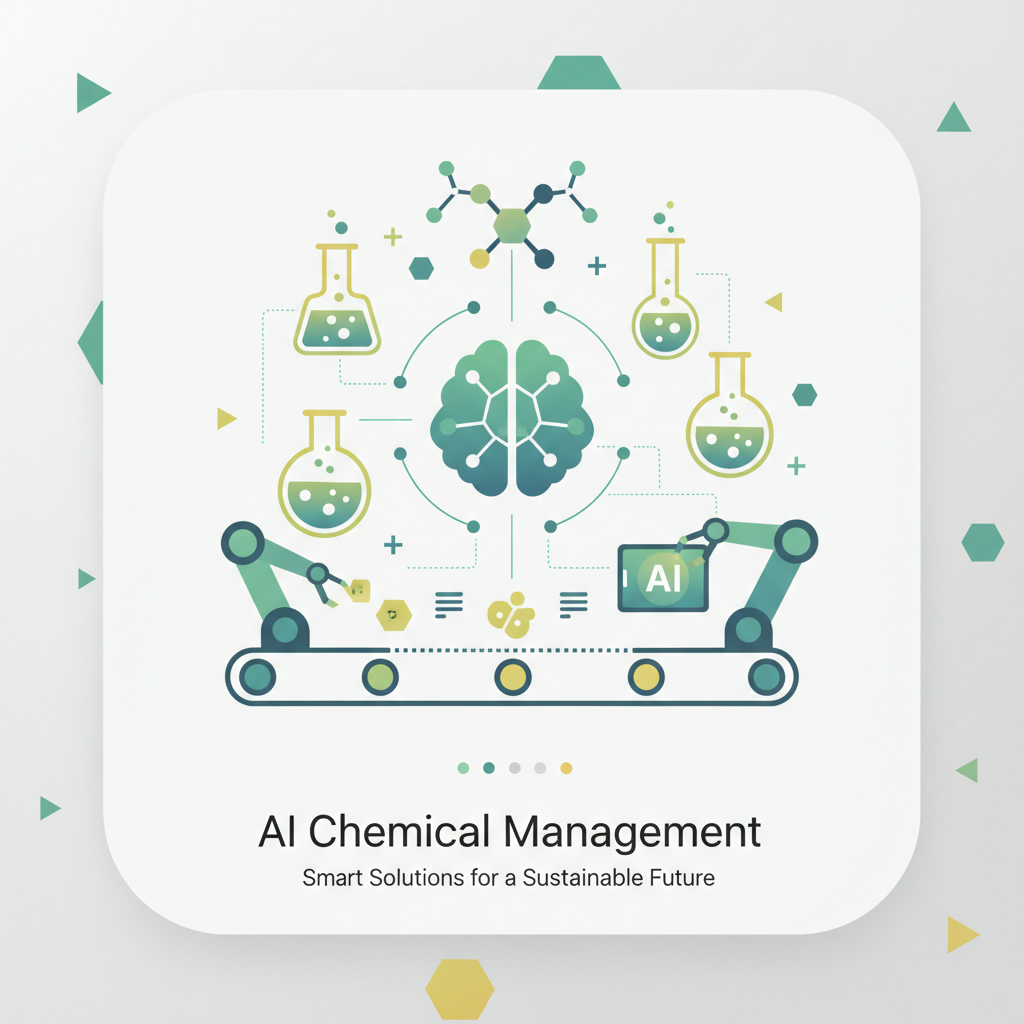
In today’s fast-paced industrial environment, implementing AI is becoming increasingly essential for efficient chemical management. Organizations are recognizing the importance of artificial intelligence in streamlining workflows, enhancing safety, and ensuring compliance with ever-evolving regulations. This blog explores how integrating AI with chemical management systems can revolutionize the way businesses handle hazardous substances, improve operational efficiency, and ensure regulatory compliance.
Understanding the Need for AI in Chemical Management
As regulatory complexities intensify, businesses need to adopt smarter solutions to manage chemical compliance and safety. AI services provide essential tools for automating regulatory and environmental intelligence. By leveraging AI, organizations can gain insights into chemical data that improve decision-making processes and reduce the risk of human error.
The Role of AI in Enhancing Chemical Safety
AI enhances chemical safety through:
– Real-time data access: Instant access to updated chemical information helps employees make informed decisions.
– Automated workflows: Streamlined approval processes reduce manual data entry and improve accuracy.
– Predictive analytics: AI algorithms can analyze historical data to predict potential hazards and compliance issues, allowing proactive measures.
With AI at the helm, organizations can respond to safety concerns swiftly, ensuring a safer work environment.

Key Features of AI-Enabled Chemical Management Systems
When implementing AI in chemical management, organizations can expect several key features that enhance overall efficiency:
1. Automated Regulatory Updates: AI systems can automatically update chemical libraries based on the latest regulations, ensuring compliance without manual intervention.
2. Integrated Chemical Data: By embedding AI-driven insights into workflows, companies can better manage chemical inventories and reduce the risk of violations.
3. Comprehensive Reporting: AI can generate detailed reports on chemical usage, compliance status, and safety assessments, providing valuable insights for decision-makers.
Implementing AI: Steps to Success
To successfully implement AI for chemical management, organizations should follow these steps:
– Assess Current Systems: Evaluate existing chemical management practices to identify areas for improvement.
– Define Objectives: Clearly outline what the organization aims to achieve with AI integration.
– Choose the Right AI Agency: Collaborate with an experienced AI agency that understands the intricacies of chemical management.
– Train Staff: Ensure that employees are adequately trained to utilize AI tools effectively, maximizing their benefits.
Real-World Applications of AI in Chemical Management
Leading organizations are already reaping the benefits of AI in their chemical management systems. For example, recent studies indicate that companies using AI-driven platforms have experienced a significant reduction in compliance violations and accidents. According to EPA guidelines, leveraging AI for chemical safety can lead to improved environmental outcomes and enhanced workplace safety.
Future Trends in AI and Chemical Management
As technology continues to evolve, the future of AI in chemical management looks promising. Here are some anticipated trends:
– Increased Use of AI Bots: Chatbots and virtual assistants will play a larger role in providing employees with instant access to safety data and compliance information.
– Advanced AI Voice Recognition: Voice-activated systems will allow workers to quickly retrieve chemical data hands-free, improving efficiency on the shop floor.
– Enhanced Predictive Modelling: As AI algorithms become more sophisticated, companies will be able to predict chemical safety incidents before they occur, enabling proactive measures.
Conclusion
Implementing AI into chemical management is not just a trend; it’s a necessity for organizations aiming to enhance safety, compliance, and operational efficiency. By leveraging AI technologies, businesses can automate regulatory processes, improve data accuracy, and ultimately create a safer working environment. If you’re ready to implement artificial intelligence in your organization, consider reaching out to an AI expert or agency for tailored solutions.
For more information on how to effectively integrate AI into your workflows, visit Implement Artificial Intelligence. Start your journey towards smarter chemical management today!