In today’s digital landscape, the role of AI (artificial intelligence) is rapidly evolving, becoming the new center of gravity in data management and decision-making processes. As organizations strive to implement AI effectively, they face the uncomfortable truth that while AI brings tremendous potential, it also challenges our understanding of humanity and the nature of work. This post delves into how AI can redefine our workflows, enhance creativity, and reshape our perceptions of consciousness and decision-making.
The Acceleration of AI Implementation
AI is not just a buzzword; it’s a transformational force reshaping industries. With the speed of advancement, organizations must adapt quickly. The TED conference recently underscored the exponential growth of AI capabilities, illustrating that while many view AI as a revolutionary technology, few acknowledge the rapid pace at which it is altering job landscapes, often leading to layoffs and significant shifts in workforce dynamics.
Moreover, experts agree that AI is akin to electricity in its potential to revolutionize industries. However, unlike the gradual integration of electricity, AI is infiltrating our systems overnight, prompting urgent conversations about its implications for jobs and workplaces.
Rethinking Humanity in the Age of AI
As AI becomes increasingly integrated into our daily lives, it forces us to reevaluate what it means to be human. The intersection of creativity and AI offers a unique opportunity for individuals to explore new avenues of artistic expression. Artists like Kelly Boesch have harnessed AI tools to enhance their creativity, producing surreal works of art that push the boundaries of human imagination.
AI and Consciousness: A Philosophical Exploration
Delving deeper into the implications of AI, a critical distinction emerges: intelligence does not equate to consciousness. The notion that AI could achieve self-awareness is a common misconception. Instead, understanding the difference between these concepts challenges us to consider the essence of humanity. Is it our intelligence, emotions, or social connections that define us? These questions are vital as we navigate an era where AI may operate alongside us, potentially influencing our decisions and interactions.
The Future of Work: Education and Continuous Learning
The rapid evolution of AI necessitates a shift in our educational frameworks. Traditional models of education—where individuals learn once and apply that knowledge for life—are becoming obsolete. Instead, professionals must embrace a culture of continuous learning to keep pace with the advancements in AI technology. Organizations should focus on reskilling their workforce, ensuring that employees can adapt to new AI workflows and maintain relevance in their fields.
Experts emphasize the importance of lifelong learning and adaptability. As AI automates specific tasks, the workforce must pivot to roles that require human creativity and emotional intelligence, fostering a balanced relationship between humans and machines.
Data Architecture: The Shift from Data-Centric to Knowledge-Centric Approaches
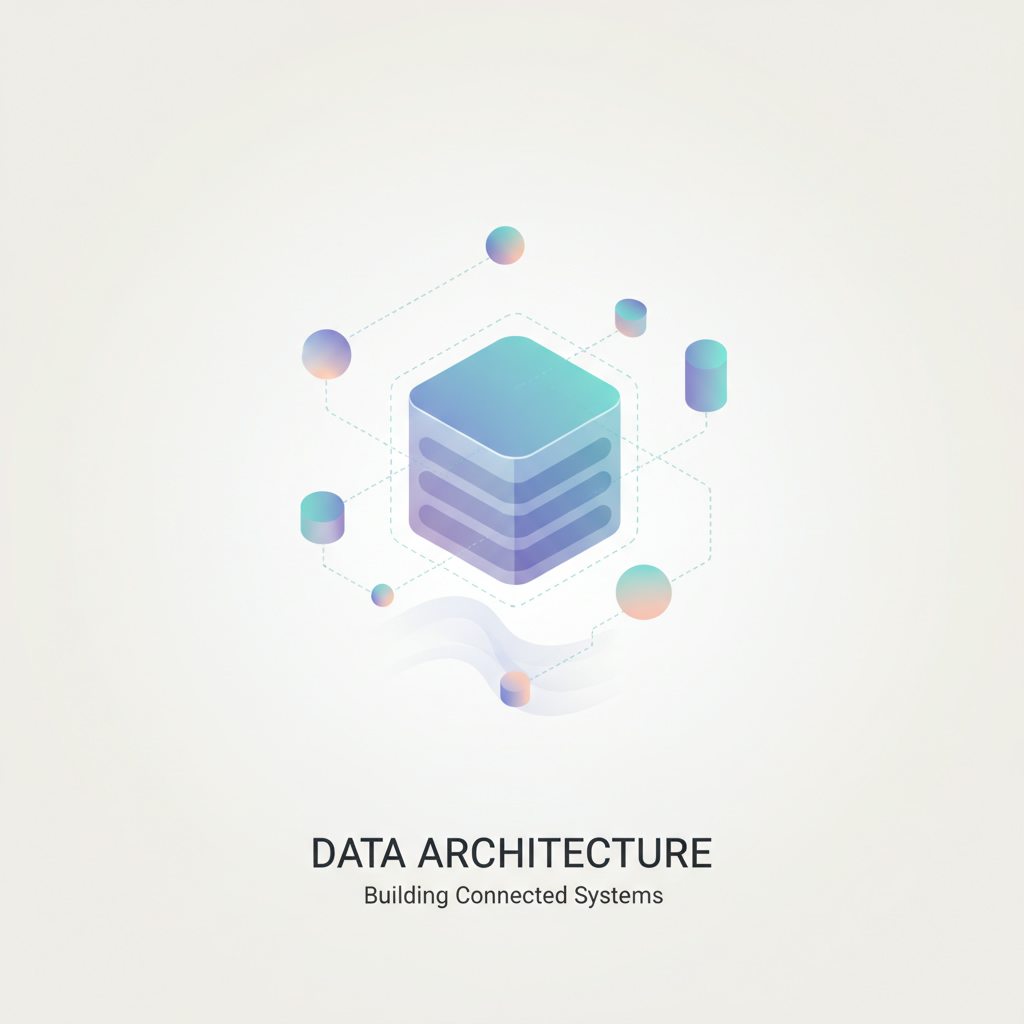
Historically, data has been viewed as the new oil, with organizations striving to become data-driven. However, the conversation is shifting towards understanding knowledge and context in the realm of AI. As businesses integrate AI into their data architectures, the focus must be on how these systems can drive actionable insights and support decision-making processes.
Bridging the Gap: From Insights to Action
The future of data architecture lies in developing systems that facilitate the translation of insights into action. As organizations implement AI, they must consider how to effectively integrate these technologies into their existing workflows. This involves creating feedback loops that connect data insights with real-world applications, ensuring that decisions are grounded in comprehensive contextual understanding.
The Role of AI Bots in Modern Organizations
AI bots are increasingly becoming integral to organizational workflows, performing tasks that were once exclusive to human employees. By leveraging AI services, businesses can enhance productivity, streamline processes, and ultimately drive growth. However, organizations must also recognize the need for appropriate governance and oversight to ensure that these bots operate effectively and ethically.
In this context, hiring an AI agency can provide the expertise necessary to implement these technologies responsibly. By collaborating with specialists in the field, organizations can navigate the complexities associated with adopting AI solutions effectively.
Embracing the Future of AI in Business Decisions
The integration of AI into business processes represents both an opportunity and a challenge. As organizations explore how to implement artificial intelligence strategically, they must remain aware of the implications on human roles and the overall workplace environment. Emphasizing a balance between technology and humanity will be essential for sustainable growth in the age of AI.
Call to Action
Are you ready to embrace the future of AI in your organization? Consider partnering with an AI agency to help you navigate the complexities of implementation and drive impactful results. For more information, visit Implement Artificial Intelligence.
As we move forward in this rapidly evolving landscape, understanding the nuances of AI and its implications will be crucial. By focusing on the intersection of technology and humanity, we can harness the full potential of AI while ensuring that we remain grounded in our shared human experience.