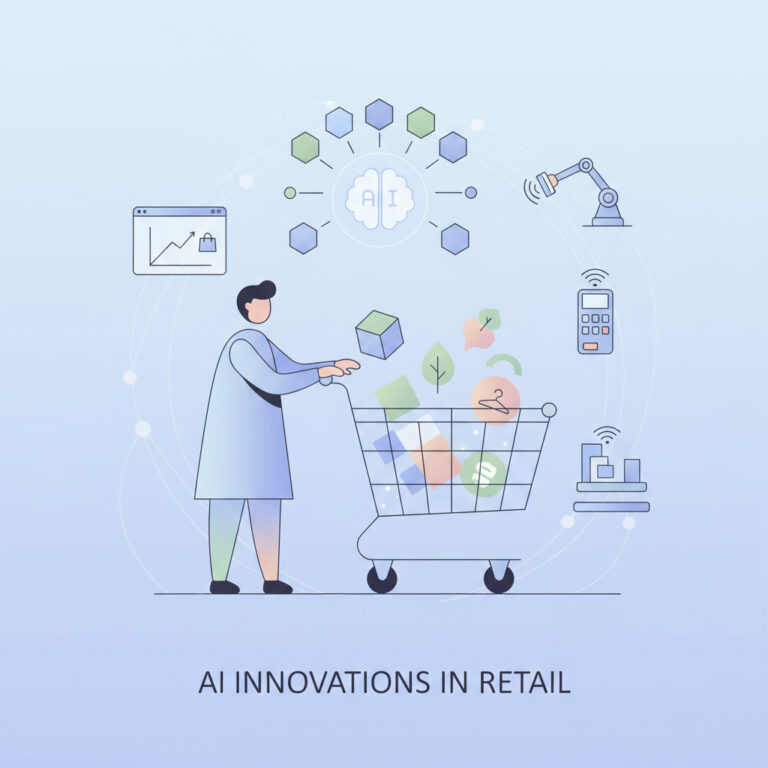
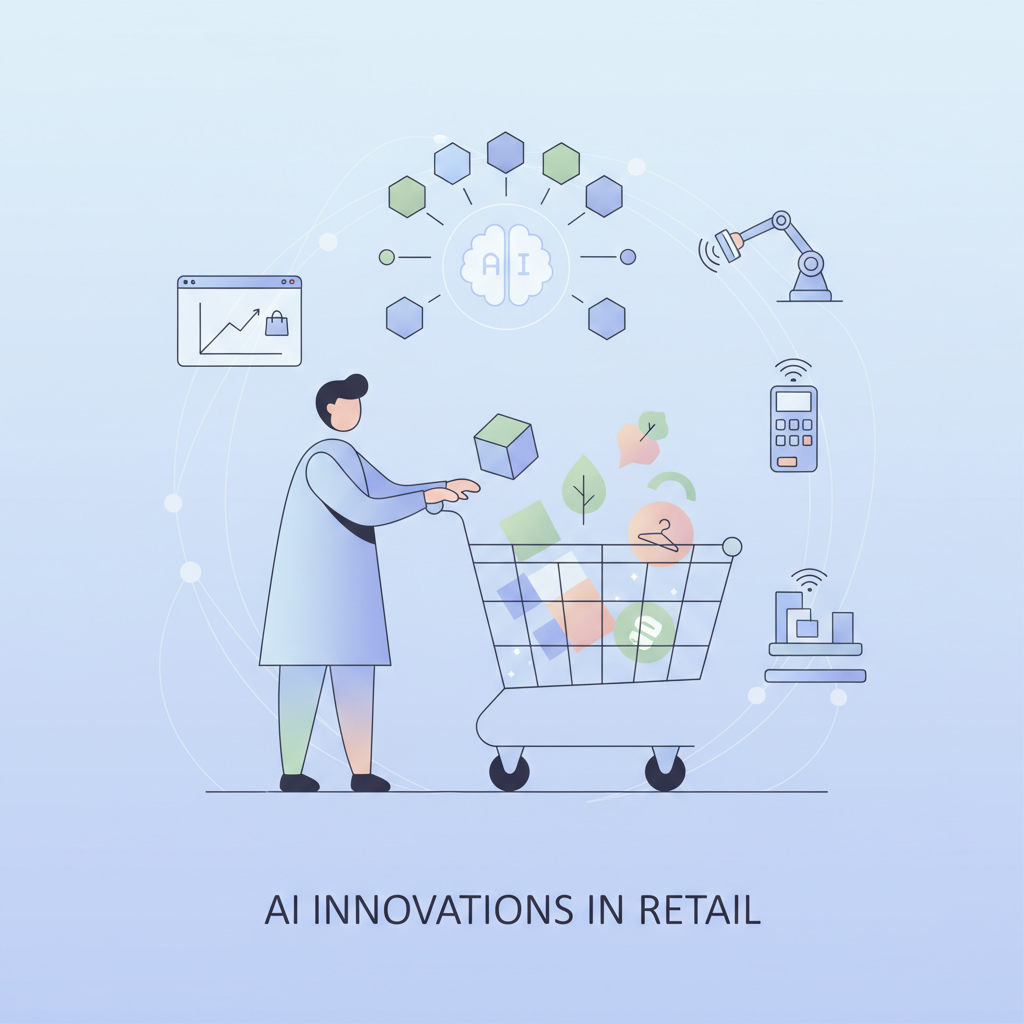
The retail landscape is evolving rapidly, and the integration of AI into retail operations is a significant driver of this change. Companies are increasingly leveraging artificial intelligence to improve customer experiences, streamline operations, and enhance decision-making processes. In this article, we will explore the latest AI innovations emerging in the retail industry for the first quarter of 2026, focusing on how these developments can transform retail operations and customer service. By implementing AI, businesses can not only meet but exceed customer expectations in a competitive marketplace.
The Role of AI in Retail Operations
Artificial intelligence is reshaping how retail organizations operate. With the rising expectations of consumers, retailers must implement AI to enhance operational efficiency and improve customer satisfaction. Studies indicate that over half of consumers now expect AI-driven services to be quicker and more efficient. This means that retailers must adopt AI workflows that can streamline processes such as inventory management, customer service, and in-store operations.
AI-Driven Customer Service Solutions
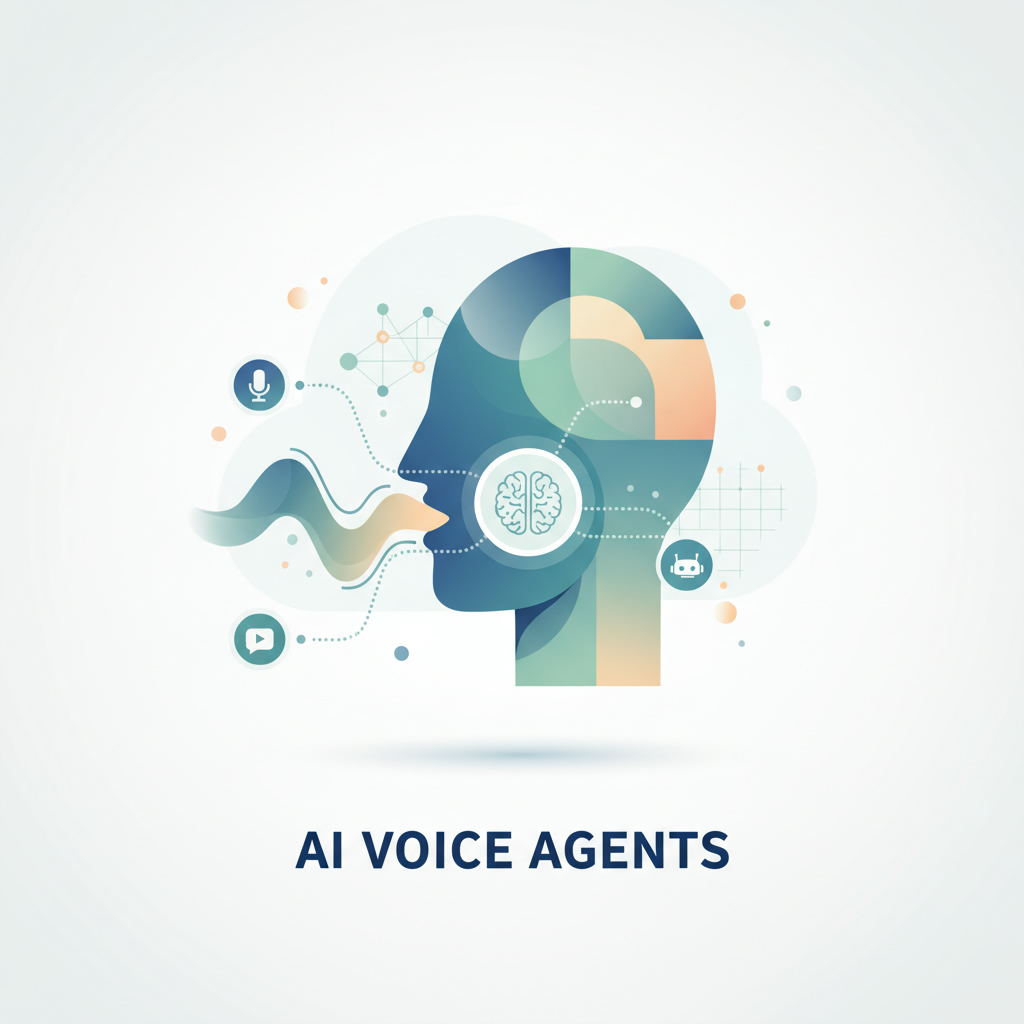
In retail, customer service is a critical component that significantly impacts brand loyalty. AI voice agents and chatbots are becoming essential tools for managing customer inquiries. According to research, 88% of retail customers still prefer talking to a human for complex interactions, yet the use of AI can handle simpler tasks efficiently. By implementing AI, retailers can ensure that human agents focus on high-value interactions while AI bots manage routine inquiries.
Enhancing In-Store Experiences with AI
Despite the growth of e-commerce, physical stores remain vital for retail sales. According to recent data, 80% of retail sales still occur in person. Therefore, enhancing the in-store experience is paramount. AI can help optimize in-store operations by improving task management and ensuring compliance with merchandising standards. Implementing AI-driven solutions means that store managers can focus on coaching their teams, leading to improved service quality and customer retention.

The Impact of AI on Retail Task Management
AI is also revolutionizing how retail organizations manage tasks. New features in retail task management allow headquarters to create and distribute tasks efficiently across multiple store locations. This capability ensures that all employees are aligned and know their responsibilities, minimizing execution gaps. By leveraging AI, retailers can significantly reduce the time spent on administrative tasks, allowing teams to concentrate on customer engagement and satisfaction.
AI-Powered Tools for Effective Communication
For retail operations to be successful, effective communication between headquarters and store teams is crucial. AI can facilitate seamless communication through integrated platforms that enable real-time updates and task assignments. By implementing AI solutions, retailers can ensure that their teams are always informed and prepared, leading to improved operational efficiency.
Why Hire an AI Expert?
To fully embrace the potential of AI in retail, companies must consider hiring an AI expert or agency. By collaborating with an AI agency, retailers can implement tailored AI solutions that meet their specific needs. These experts can guide organizations through the complexities of integrating AI into their systems, ensuring that they leverage the technology effectively.
Steps to Implement AI in Retail
1. Assess Needs: Evaluate which areas of your retail operations would benefit most from AI.
2. Choose the Right Tools: Select AI tools that align with your goals, such as customer service chatbots or task management systems.
3. Hire AI Experts: Consider partnering with an AI agency to ensure a smooth implementation process.
4. Monitor and Optimize: Continuously assess the AI systems in place and make adjustments as necessary.
Implementing AI is not just about keeping up with trends; it’s about driving efficiency and enhancing customer experiences in the retail space. By adopting AI solutions, retailers can ensure they are well-positioned to compete in an increasingly digital marketplace.
For more insights into how to implement artificial intelligence in your retail operations, visit Implement Artificial Intelligence.
In conclusion, the advancements in AI for Q1’26 present a significant opportunity for retailers to enhance their operations and customer service. By understanding and implementing these innovations, businesses can not only retain their competitive edge but also foster customer loyalty. Now is the time to explore how AI can transform your retail strategy for the better.