
Artificial intelligence (AI) continues to evolve, offering businesses innovative solutions to streamline their operations. One of the latest advancements is the introduction of managed agents by Claude, enabling firms to deploy AI workflows significantly faster. In this article, we’ll explore what managed agents are, their functionality, and how they can revolutionize your operations. You’ll learn about their setup, costs, and optimal use cases, along with practical insights to ensure you’re leveraging AI effectively.
Understanding Managed Agents in AI Workflows
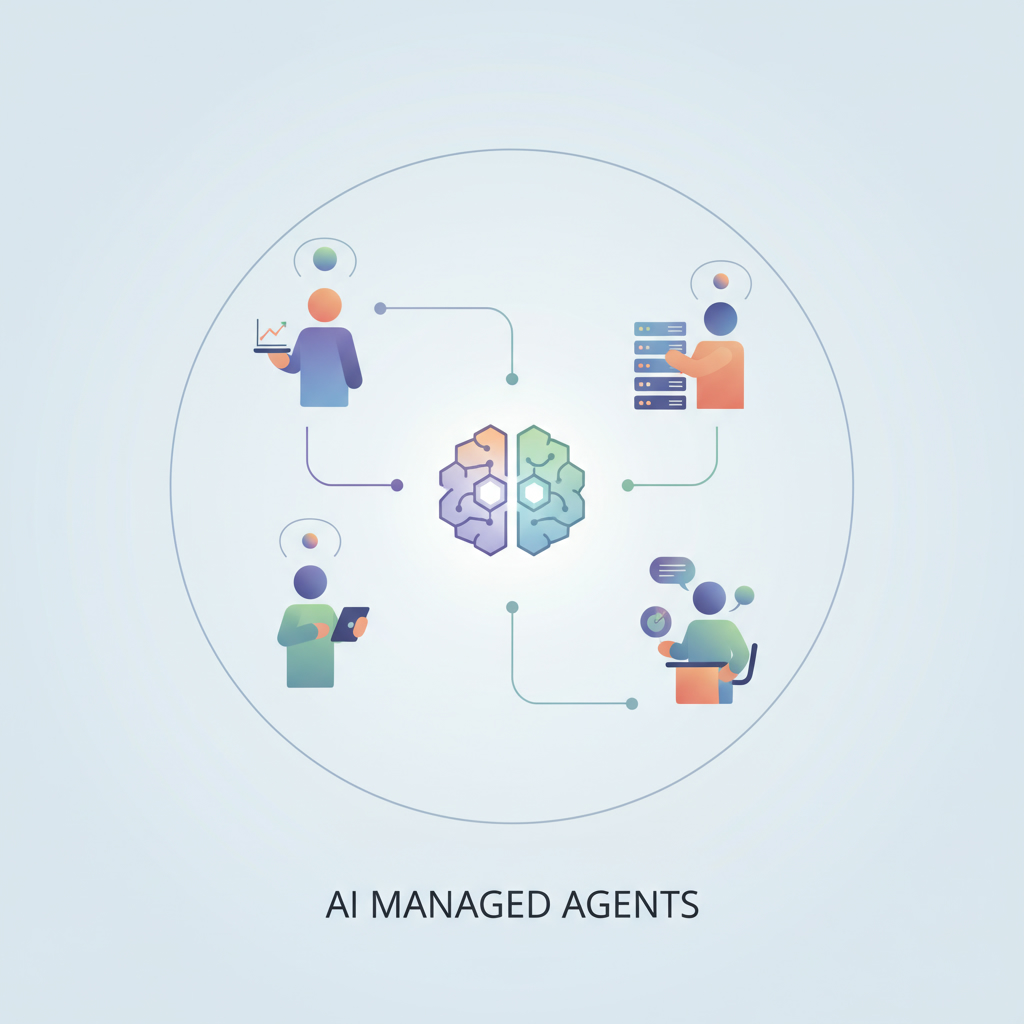
Managed agents are cloud-based AI tools that automate a variety of tasks without the need for extensive infrastructure setup. By allowing organizations to define specific tasks and guardrails, these agents can be deployed quickly, promising to enhance productivity and efficiency. The primary advantage of using managed agents lies in their capacity to simplify the deployment of AI services, making them accessible even to those without technical expertise.
Key Features of Managed Agents
1. Fast Deployment: Managed agents enable businesses to get their AI solutions into production up to ten times faster than traditional methods.
2. User-Friendly Interface: The platform provides a straightforward interface for non-technical users to create and manage their agents effectively.
3. Cost-Effective: Initial setup requires minimal investment, with fees only incurred during active sessions, making it budget-friendly for small businesses.
4. Integration with Existing Tools: Managed agents can seamlessly connect with popular productivity tools like Notion and ClickUp, enhancing team collaboration.
How to Implement Managed Agents in Your Business
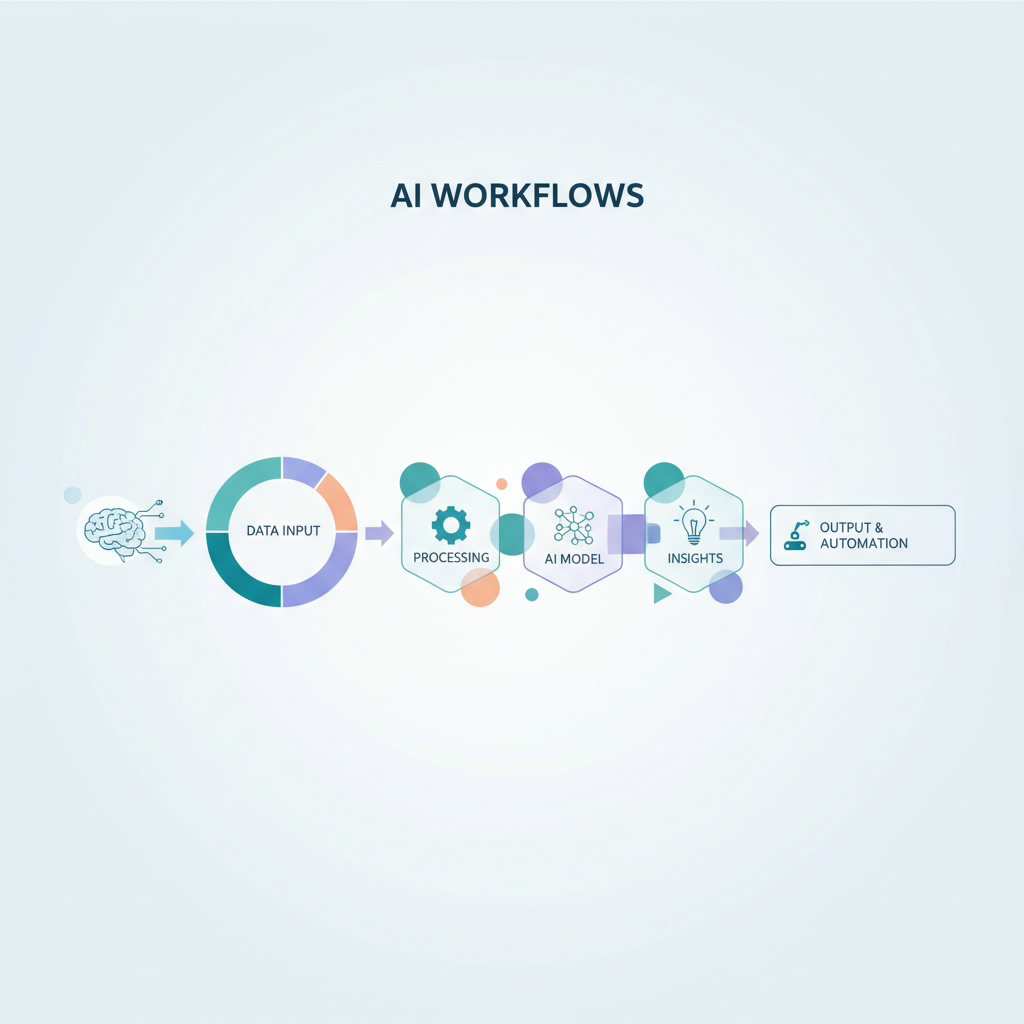
Implementing AI through managed agents involves a few straightforward steps, allowing businesses to take advantage of AI capabilities without needing extensive programming knowledge. Here’s a breakdown:
Step 1: Create Your Agent
Using a cloud console, you can set up your agent by defining its tasks, tools, and system prompts. This allows you to tailor the agent to your specific needs, whether it be competitor analysis or task automation.
Step 2: Configure the Environment
Managed agents operate within a defined cloud environment, which ensures they function optimally. Configuring this environment is critical for the agent’s performance.
Step 3: Connect to Third-Party Applications
To maximize effectiveness, connection to tools like ClickUp or Notion is necessary. This integration allows the agent to pull and push information seamlessly, enhancing workflow efficiency.
Step 4: Test and Refine
After setting up, it’s essential to test the agent’s performance. Regularly refining its prompts and tasks based on feedback helps ensure it meets your business objectives.
Costs Associated with Managed Agents
While the initial investment is minimal, the ongoing costs are based on active session time. At just 8¢ per hour for active sessions, businesses can manage their AI expenses efficiently. This model proves advantageous for companies looking to implement AI services without incurring heavy upfront costs.
Use Cases for Managed Agents
Managed agents are particularly beneficial in several scenarios:
– Research and Analysis: Automate competitor research or market analysis tasks, allowing teams to focus on strategic initiatives.
– Task Management: Delegate tasks within project management tools, enabling teams to streamline workflows.
– Real-Time Data Processing: Use agents for processing large sets of data, providing timely insights to decision-makers.
For businesses looking to hire AI experts, managed agents represent a step towards integrating advanced AI solutions while minimizing complexity. Companies can enhance their operational efficiency by leveraging these tools without needing extensive technical skills.
The Future of AI with Managed Agents
As the landscape of artificial intelligence continues to evolve, managed agents are expected to incorporate more advanced features, such as persistent memory and multi-agent orchestration. These enhancements will allow agents to interact more intelligently and autonomously, improving their effectiveness.
For organizations considering implementing AI, engaging with an AI agency can provide valuable insights and support in navigating this landscape. Hiring an AI expert can ensure that your implementation aligns with your strategic goals and maximizes the value derived from AI technologies.
In conclusion, managed agents offer a compelling solution for businesses eager to implement artificial intelligence into their operations. Their ease of use, cost-effectiveness, and integration capabilities make them an excellent choice for organizations looking to enhance productivity. If you’re ready to take the next step in your AI journey, consider exploring the services offered by an AI agency today.
For more information on implementing artificial intelligence, visit Implement Artificial Intelligence.