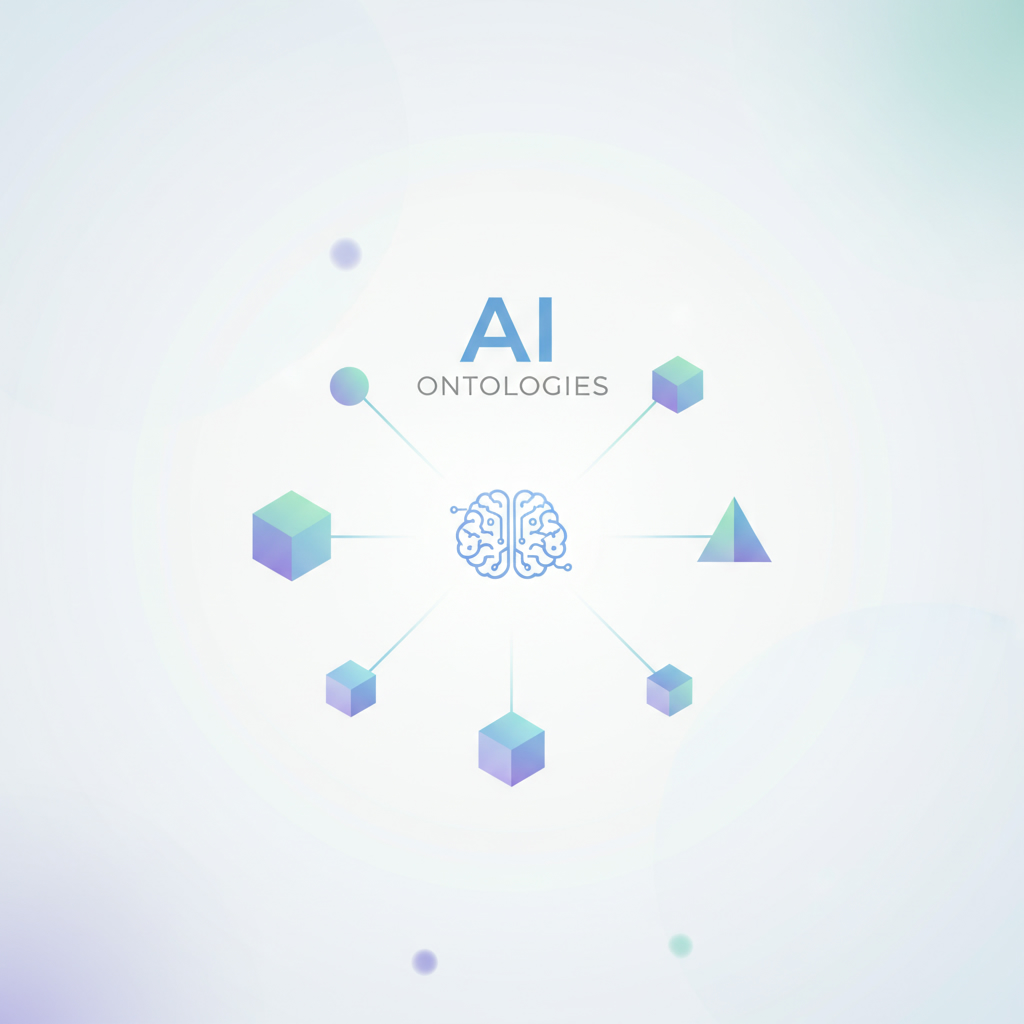
Artificial intelligence (AI) is revolutionizing how we approach data management, particularly through the use of ontologies, knowledge graphs, and context graphs. As AI technologies evolve, the need for effective frameworks that accurately represent knowledge has become increasingly crucial. In this article, we’ll explore how implementing AI and understanding these concepts can lead to better decision-making and improved operational efficiencies in various industries.
The Importance of Ontologies in AI Implementation
Ontologies serve as formal representations of knowledge within specific domains. They help in defining the relationships between concepts, allowing AI systems to understand and process information more effectively. By employing ontologies, businesses can enhance their AI workflows, ensuring that artificial intelligence systems are not just reactive but also proactive in managing data.
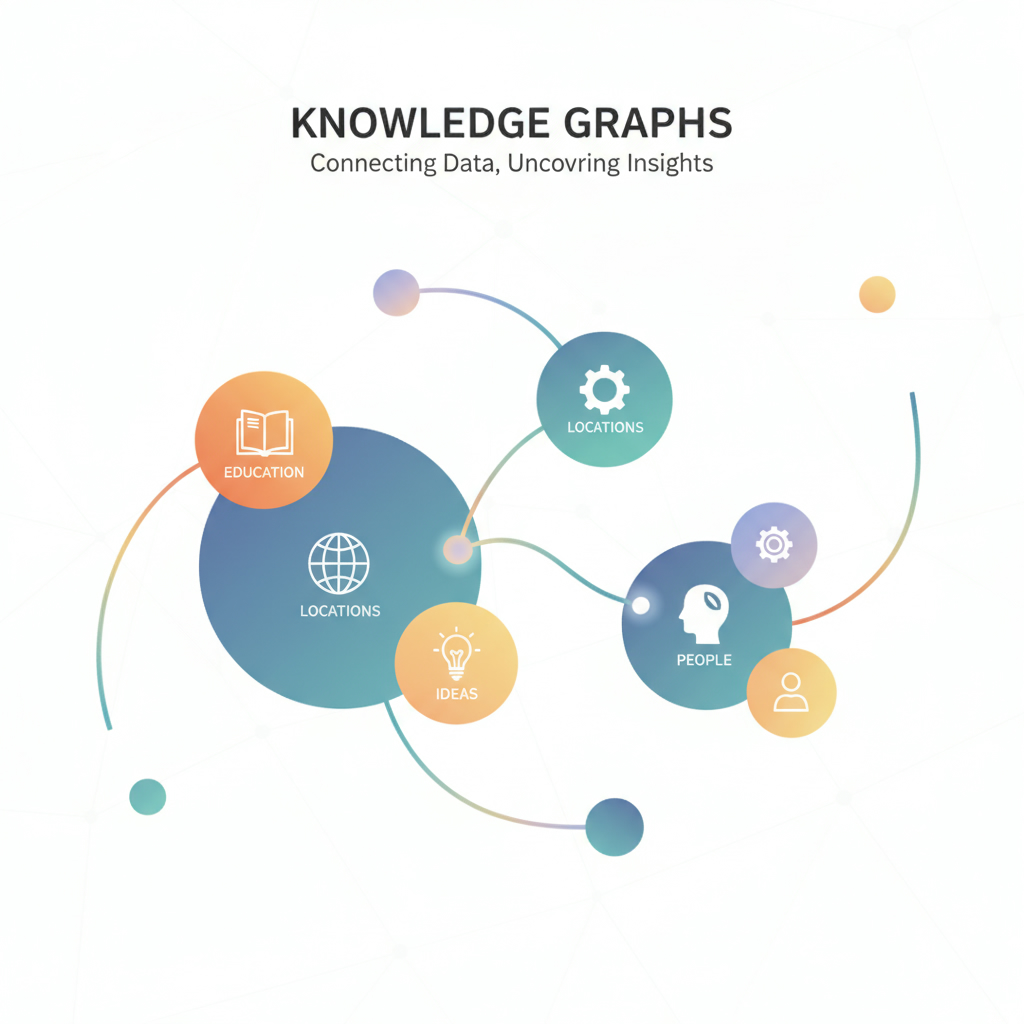
How Knowledge Graphs Enhance AI Capabilities
Knowledge graphs are a pivotal component in the realm of AI. They offer a structured way to represent information, facilitating better data interoperability. By connecting various data points, knowledge graphs enable AI agents to find relationships and insights that may not be immediately apparent. This interconnectedness is essential for tasks such as natural language processing, where understanding context and semantics is key to generating accurate responses.
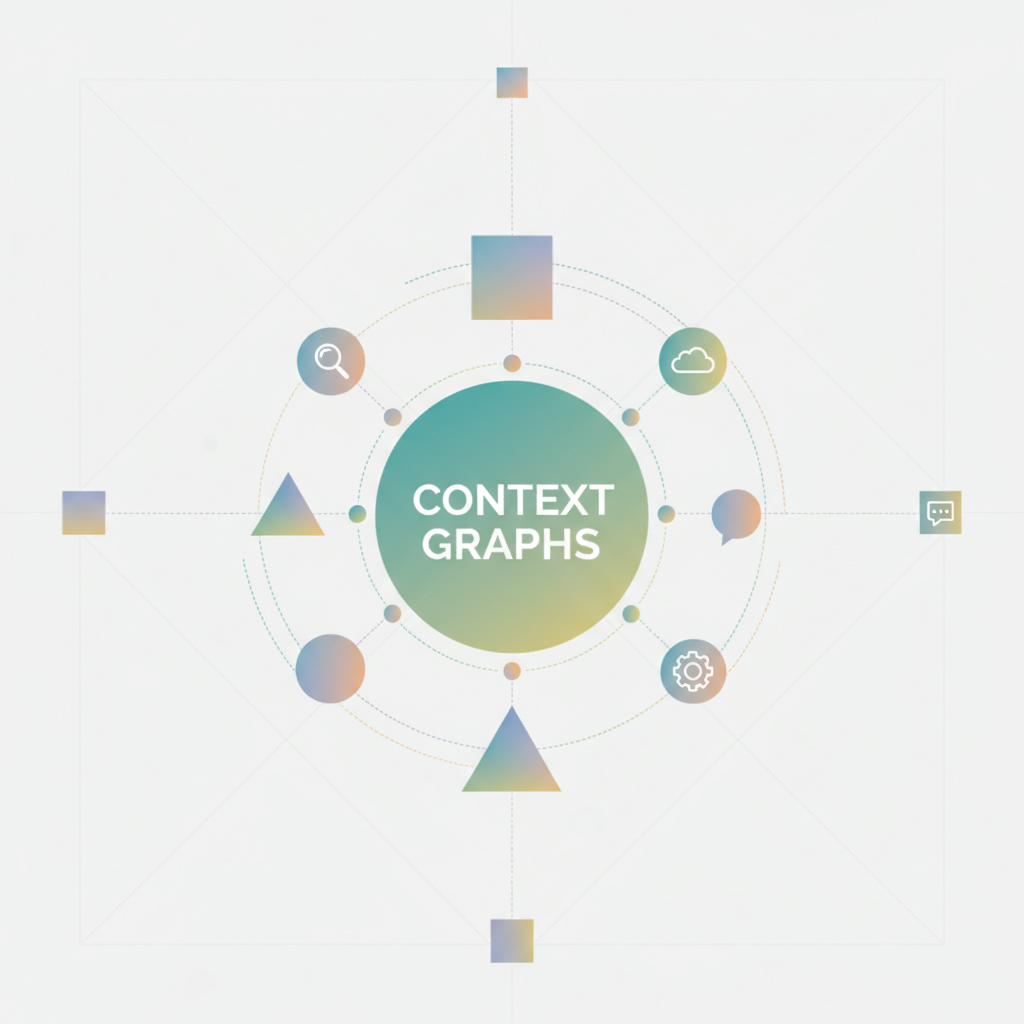
Context Graphs: The New Frontier in AI
Context graphs take the concept of knowledge graphs a step further by incorporating the nuances of human understanding. They not only represent data but also capture the context in which that data exists. This is particularly important for AI applications that require a deep understanding of user intent, such as AI chatbots and virtual assistants. By implementing context graphs, businesses can significantly improve user interaction and satisfaction.
The Role of AI Services in Building Ontologies
Experts agree that leveraging AI services can accelerate the process of creating and managing ontologies. By utilizing AI, organizations can automate many aspects of ontology development, from data collection to semantic analysis. This not only reduces the time required to implement AI but also enhances the overall quality of the knowledge representation, leading to more informed decision-making.
Hiring an AI Agency for Successful Implementation
When considering how to effectively implement artificial intelligence in your organization, hiring an AI agency can provide the expertise needed to navigate the complexities of AI and ontology development. These agencies specialize in creating tailored AI solutions that align with your business goals. They can guide you in selecting the right tools and methodologies for your specific needs, ensuring a smooth transition to AI-driven processes.
Conclusion: The Future of AI with Ontologies and Graphs
As businesses increasingly adopt AI technologies, understanding the role of ontologies, knowledge graphs, and context graphs becomes essential. Implementing AI effectively requires a comprehensive approach that includes building robust knowledge representations. By engaging with experts and considering AI services, organizations can harness the full potential of artificial intelligence to drive innovation and efficiency.
For more information on implementing AI in your organization, visit Implement Artificial Intelligence.
Meta Title: AI in Ontologies: Knowledge and Context Graphs
Meta Description: Implement AI through ontologies and knowledge graphs for enhanced decision-making and efficiency.
Image Keywords: AI ontologies, knowledge graphs, context graphs