Artificial intelligence (AI) is revolutionizing the future of work, and understanding agentic systems is vital for businesses looking to stay competitive. In today’s rapidly evolving digital landscape, organizations must harness the power of AI to enhance workflows, automate processes, and improve decision-making. This article explores the evolution of AI, particularly agentic AI, and how it impacts various industries. By implementing AI effectively, companies can optimize operations, reduce costs, and drive innovation. Read on to discover how agentic AI is reshaping the workplace and learn how to leverage its potential for your organization.
The Evolution of AI: From Basic Automation to Agentic Systems
The journey from basic automation to agentic AI represents a significant leap in technology. Initially, businesses embraced automation to handle repetitive tasks, allowing teams to focus on more strategic initiatives. However, as technology progressed, the introduction of predictive workflows marked a turning point.
Research shows that organizations leveraging predictive intelligence can anticipate future needs based on historical data patterns. This shift paved the way for conversational workflows, where AI systems began to interact with users through natural language processing (NLP). With the advent of generative AI and large language models (LLMs), businesses gained the ability to engage with technology in more intuitive ways.
Now, agentic AI takes this concept further by enabling systems to operate autonomously while still acting on behalf of humans. This level of sophistication allows AI to manage complex situations and adapt to varying circumstances, ultimately enhancing productivity and efficiency.
Understanding Agentic AI: How It Works
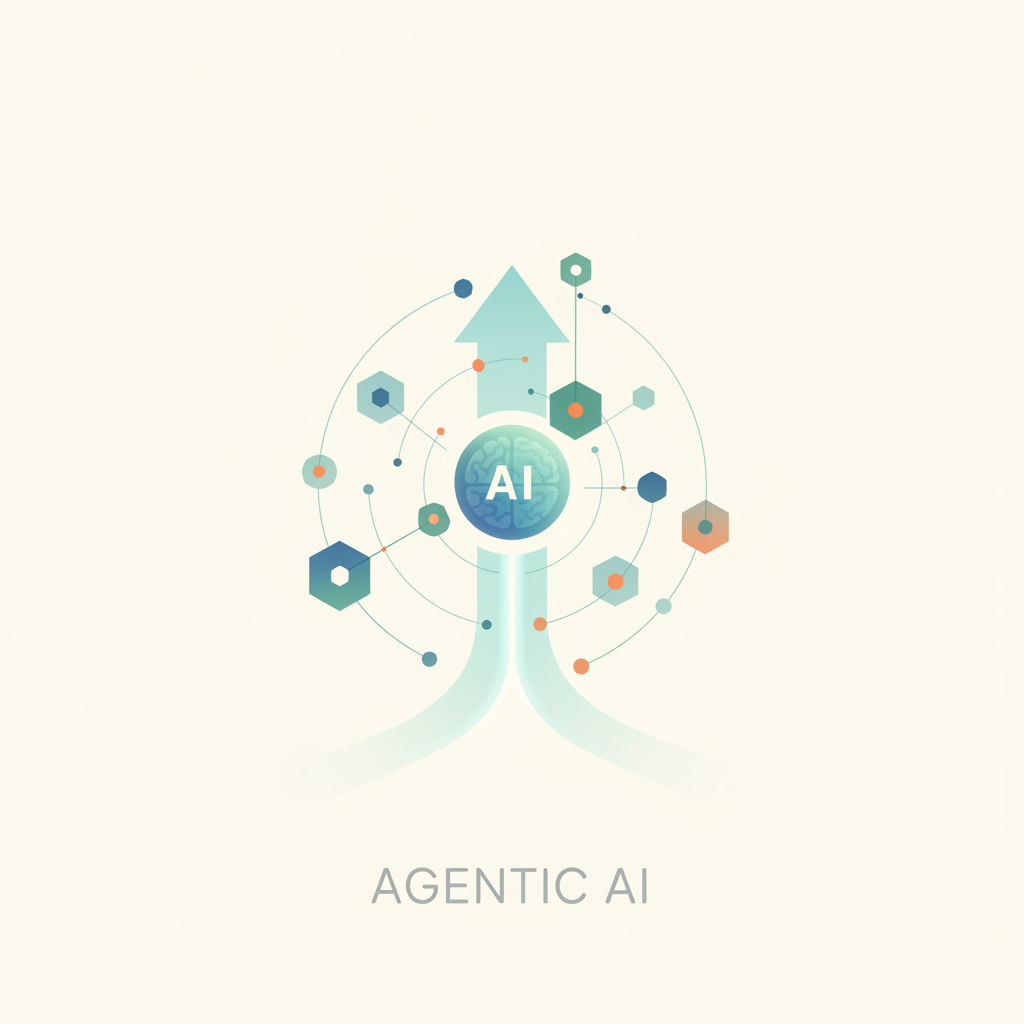
Agentic AI functions through a hierarchical structure, where multiple AI agents work collaboratively under the guidance of a central coordinator known as the orchestrator. This orchestrator assesses tasks and identifies which agents are best suited for specific jobs, ensuring that workflows are efficient and streamlined.
Here’s a breakdown of agentic AI’s architecture:
– Orchestrator: The top-level coordinator that assigns tasks and manages the workflow.
– Specialized Agents: These agents are designed for particular tasks and industries, utilizing their expertise to deliver accurate results.
– Tools and Scripts: The foundational elements that agents use to perform their jobs, ensuring they can operate effectively.
This structure allows organizations to implement AI solutions that are not only powerful but also flexible enough to adapt to changing business needs. As noted by industry experts, effective AI services can lead to significant improvements in operational efficiency.
Real-World Applications: Agent Ada in Action
One compelling example of agentic AI in practice is Agent Ada, developed by a team of researchers to address common challenges in enterprise analytics. The sheer volume of data available to organizations can be overwhelming, and extracting actionable insights from this data is often time-consuming.
Agent Ada utilizes advanced algorithms to not only analyze datasets but to understand the context and goals of users. Unlike traditional AI tools, which might simply output statistical correlations, Agent Ada reasons about the data, providing insights that are relevant and tailored to the user’s needs. This capability allows businesses to make informed decisions quickly, significantly reducing the time spent on data analysis.
Personalization in Data Analysis
The personalization aspect of agentic AI is crucial for its effectiveness. The same data can yield different insights based on the user’s role within an organization. For example, a data scientist may require a detailed causal analysis, while a product manager might seek actionable metrics that can drive business strategy. By tailoring the analysis to the audience, agentic AI enhances the value of data-driven decisions.
Ensuring Trustworthy Insights with AI
As organizations increasingly rely on AI for decision-making, the question of trustworthiness becomes paramount. How can businesses ensure that the insights generated by AI are not only plausible but also accurate and actionable? This is where initiatives like Insight Bench, developed by researchers in the field, come into play.
Insight Bench evaluates the quality of AI-generated insights, going beyond mere accuracy to assess depth and actionability. By employing advanced algorithms to benchmark AI insights, organizations can ensure that they receive reliable and relevant information. This approach not only builds trust in AI systems but also empowers businesses to make data-driven decisions confidently.
The Future of Work: Implementing AI Successfully
Implementing AI, particularly agentic systems, is not merely about adopting new technology; it requires a strategic approach to ensure long-term success. Here are some steps organizations can take to maximize the benefits of AI:
1. Identify Key Areas for Automation: Assess where AI can streamline operations and enhance productivity.
2. Invest in Training and Development: Equip your team with the skills needed to work effectively with AI systems.
3. Monitor and Evaluate AI Performance: Regularly assess AI tools to ensure they are meeting organizational goals and providing valuable insights.
4. Foster a Culture of Innovation: Encourage experimentation and continuous improvement within your organization.
For businesses looking to harness the full potential of AI, partnering with an AI agency can provide the expertise needed to navigate this complex landscape. By collaborating with professionals who understand the nuances of AI implementation, organizations can develop tailored strategies that align with their unique goals.
Unlocking the Potential of AI in Your Business
The landscape of work is changing rapidly, and agentic AI stands at the forefront of this transformation. By understanding its capabilities and implementing it effectively, organizations can not only improve operational efficiency but also drive innovation and growth.
To explore how you can implement AI solutions in your organization, consider reaching out to an AI expert or agency. Visit Implement Artificial Intelligence for tailored solutions that meet your business needs.
In summary, agentic AI is not just a trend; it’s a powerful tool that can reshape the workplace, enhance decision-making, and ultimately lead to greater business success. As the future of work unfolds, those who embrace AI will be better positioned to thrive in an increasingly competitive landscape.