In today’s fast-paced digital landscape, AI has become an essential tool for organizations looking to enhance their cybersecurity measures. The implementation of artificial intelligence, especially in the realm of vulnerability response, is transforming how analysts retrieve critical data. This blog post will delve into the capabilities of AI-driven data retrieval agents like Now Assist, which allows users to efficiently query vulnerability response data using natural language. By utilizing AI workflows, organizations can streamline their processes, thereby improving their response times and overall security posture.
Understanding AI in Data Retrieval
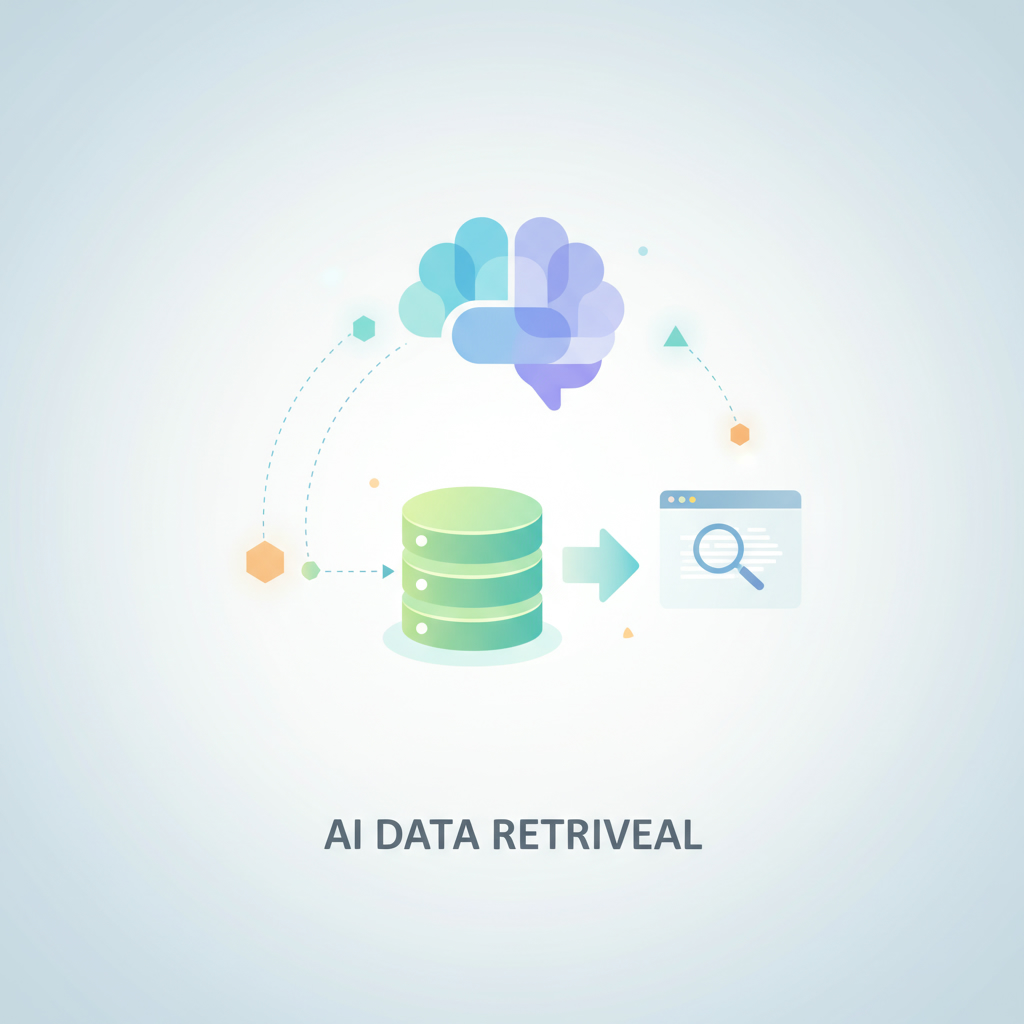
Artificial intelligence is revolutionizing the way businesses operate, particularly in data management and retrieval. With tools like Now Assist, analysts are empowered to leverage AI to manage vulnerabilities effectively. This innovative AI agent allows users to pose natural language queries to retrieve relevant information quickly. For instance, an analyst can simply ask, “What are the active vulnerabilities assigned to a specific team member?” and the AI agent will interpret the query and return the necessary data.
How Now Assist Operates
The framework of Now Assist includes an intuitive AI agent orchestrator that determines the best course of action for any data retrieval request. When a user initiates a query, the system generates several example queries to guide users in formulating their questions. This feature not only enhances user experience but also helps ensure that the queries are structured in a way that the AI can easily interpret.
During a query, the AI agent employs a semantic model that captures the relationships within the vulnerability response (VR) knowledge graph. This model is pivotal because it allows the agent to understand complex relationships across various VR tables, leading to accurate and relevant results.
Practical Applications of AI in Vulnerability Responses
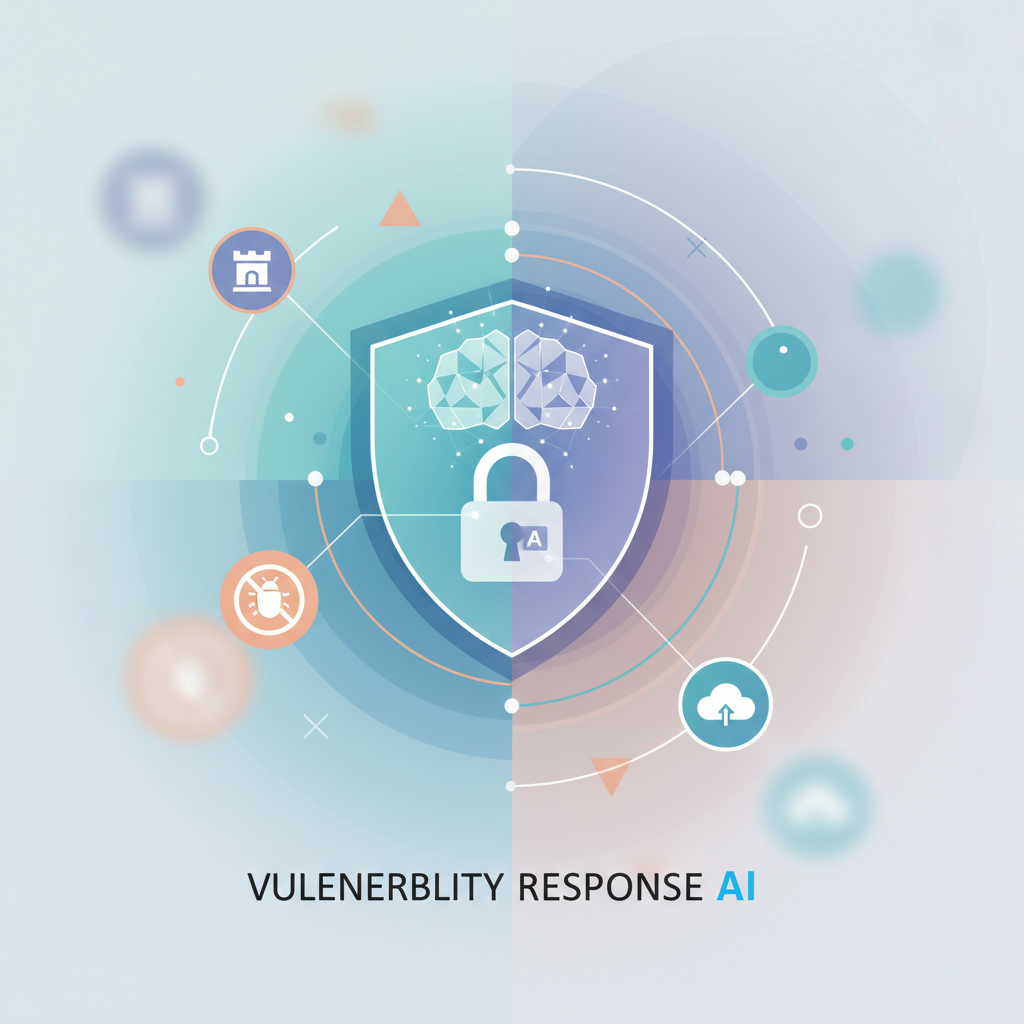
The capability of AI to handle both standard retrieval and aggregation-based queries is a significant advantage for organizations. Analysts can perform complex queries without needing extensive technical knowledge. For example, a user might ask, “How many active critical vulnerabilities have been detected by Tenable?” The AI agent processes this request through the knowledge graph, grouping results by source to provide a comprehensive overview.
Moreover, the transparency of the AI’s query interpretation process allows analysts to confirm or refine their queries. Understanding how the AI interprets their requests fosters confidence in the system and encourages users to explore further.
Querying Configuration Management Database (CMDB)
Another valuable feature of AI data retrieval in vulnerability response is its ability to query CMDB tables. This functionality is crucial for organizations seeking to understand the status of their configuration items concerning active vulnerabilities. The AI agent’s comprehension of the interrelations between VR and CMDB tables allows for efficient and effective data retrieval.
By providing previews of records alongside URL links for full results, analysts can easily navigate through the data and obtain the insights they need. This streamlined approach not only saves time but also enhances the decision-making process.
The Future of AI in Vulnerability Management
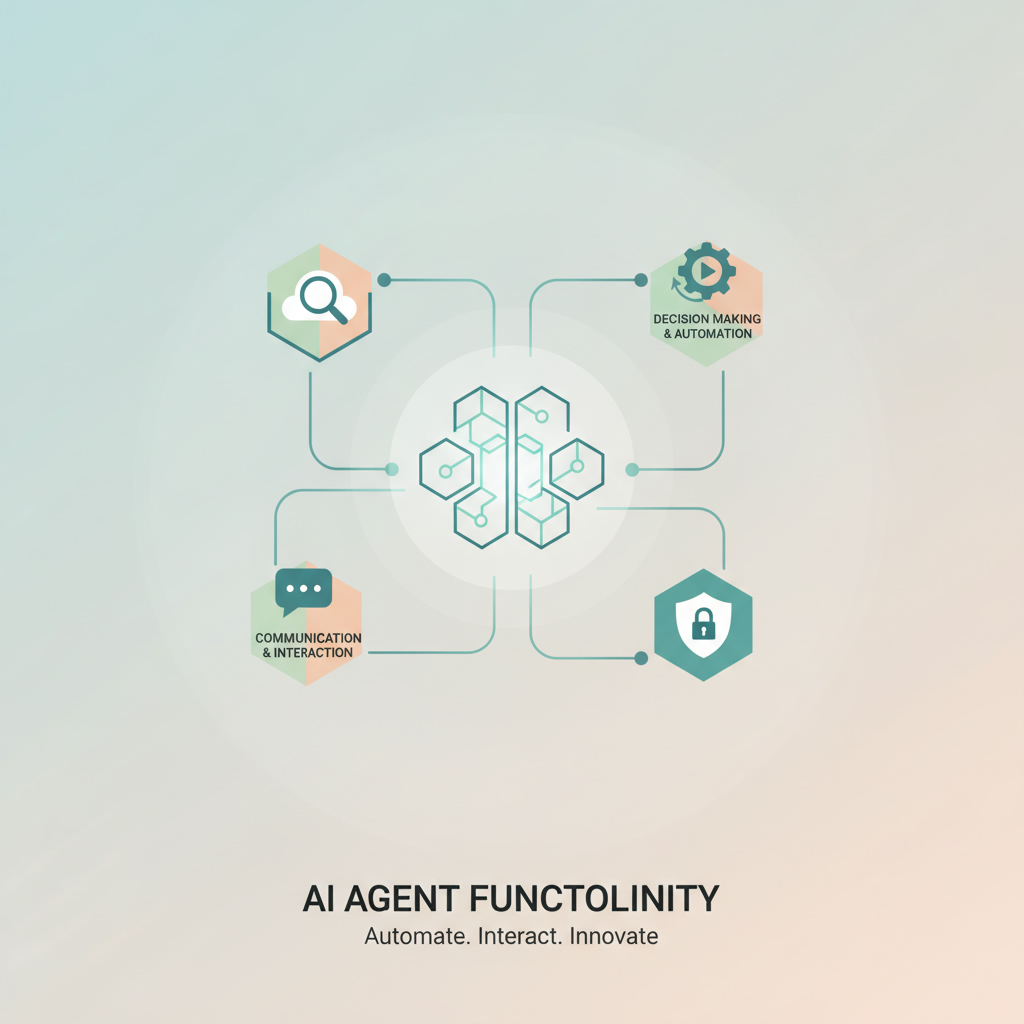
As organizations continue to adopt AI technologies, the need for AI experts and specialized AI services will only increase. Implementing artificial intelligence in vulnerability response is not just a trend; it’s becoming a necessity for businesses aiming to secure their data and respond promptly to threats. Hiring an AI agency can provide the technical expertise needed to optimize these processes further.
Incorporating AI into vulnerability management systems can lead to significant improvements in efficiency and effectiveness. According to Gartner, organizations leveraging AI in cybersecurity can reduce incident response times by up to 90%.
Call to Action
If your organization is ready to enhance its vulnerability response strategy using AI, consider partnering with a leading AI agency. Explore how you can implement AI effectively by visiting Implement Artificial Intelligence to learn more about our services and solutions.
In conclusion, the integration of AI into vulnerability response processes is a game-changer. By adopting tools like Now Assist, organizations can optimize their data retrieval efforts, improving their overall security posture. As the digital landscape continues to evolve, the implementation of artificial intelligence will remain a critical component in the fight against cyber threats.