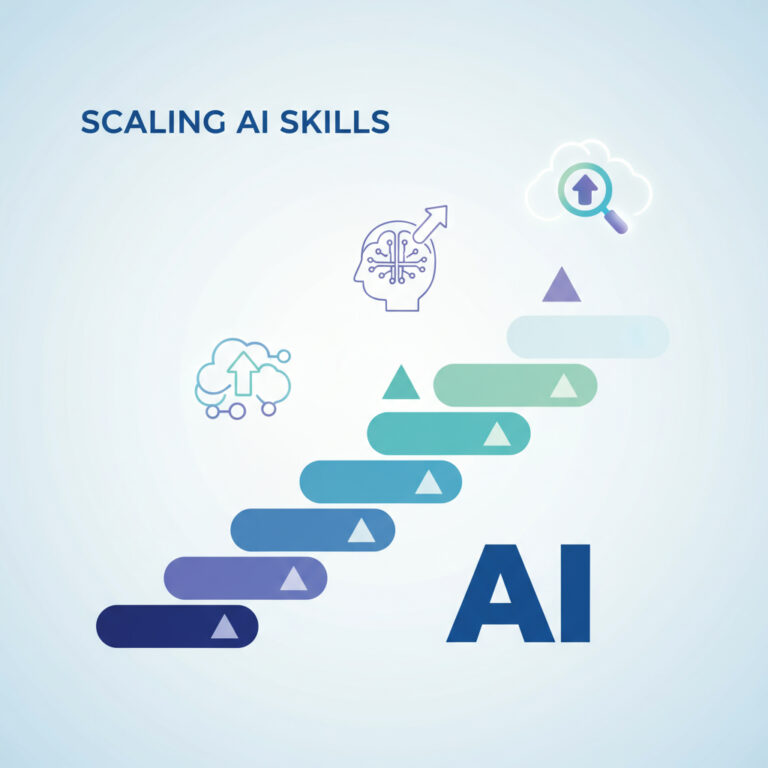
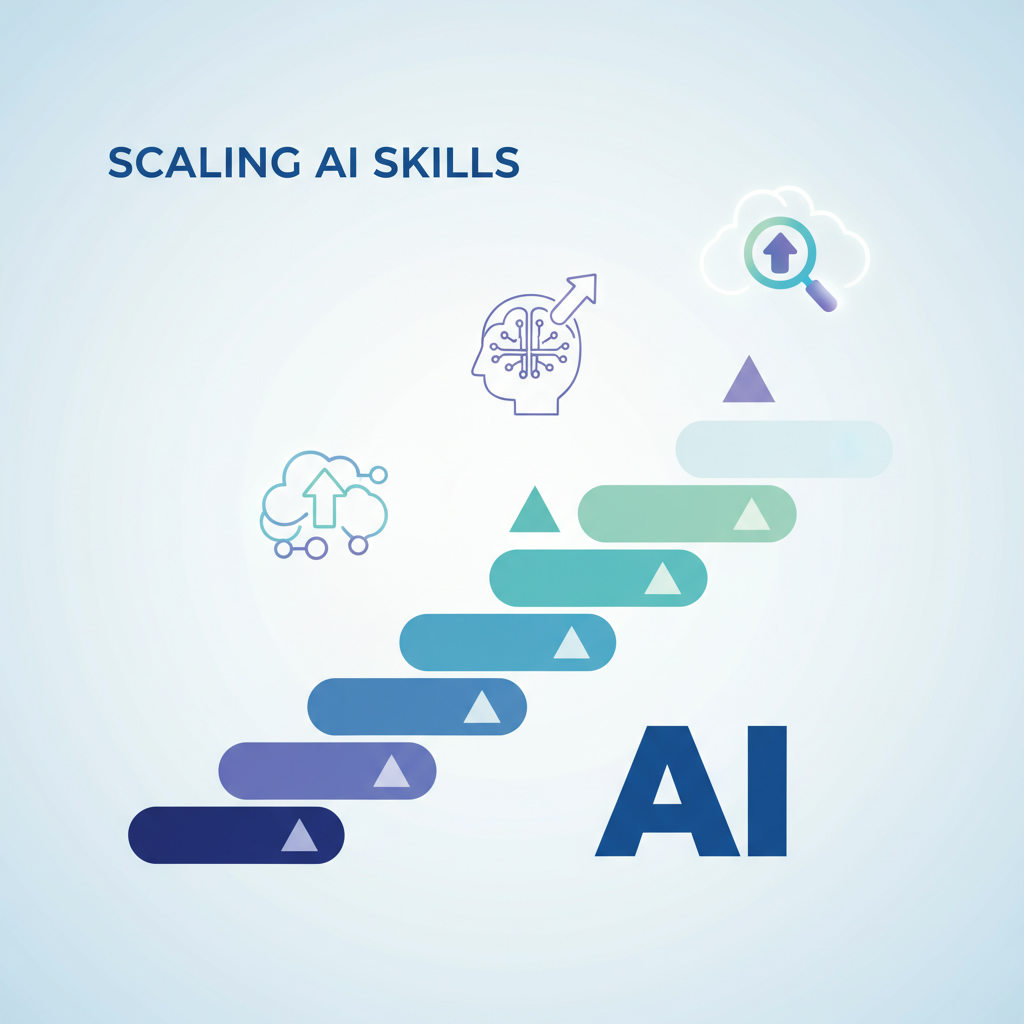
In today’s fast-paced business environment, effectively implementing artificial intelligence (AI) has become a crucial factor in driving organizational success. As companies strive to harness the power of AI, they face the challenge of not just experimenting with AI but operationalizing it at scale. This blog delves into the best practices for scaling AI skills across enterprises and ensuring that the workforce is equipped to leverage AI effectively.
The Importance of AI Training in the Workplace
AI services are transforming industries by automating processes, enhancing decision-making, and improving customer experiences. Research shows that organizations investing in AI training see a direct correlation between workforce capabilities and business outcomes. Companies must prioritize developing a skilled workforce to maximize the benefits of AI technologies.
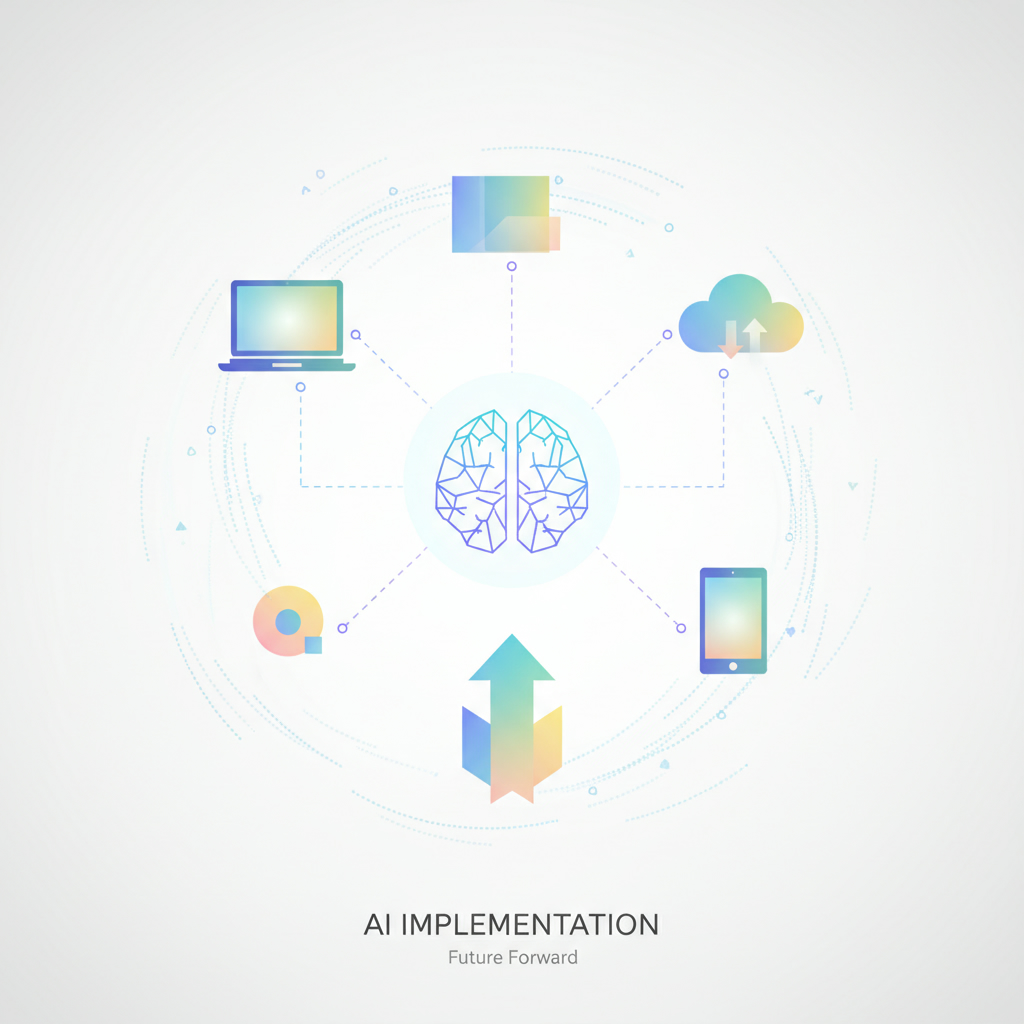
Building a Knowledgeable Workforce for AI Implementation
To successfully implement AI, organizations should focus on the following strategies:
1. Identify Key Skills: Determine the essential technical and soft skills needed for your team to manage AI tools effectively. Skills such as data analysis, programming, and understanding AI ethics are crucial.
2. Leverage Training Programs: Utilize platforms like ServiceNow University which offer comprehensive courses tailored for various roles within an organization. This ensures that employees are not only trained in AI technologies but are also adept at integrating these technologies into existing workflows.
3. Encourage Continuous Learning: AI is an ever-evolving field, and staying updated with the latest trends and tools is vital. Organizations should foster a culture of continuous learning to keep their teams ahead of the curve.
Enhancing AI Workflows for Business Efficiency
Implementing artificial intelligence effectively means optimizing AI workflows. Organizations can achieve this by:
– Streamlining Processes: Analyze existing workflows to identify areas where AI can add value, such as automating repetitive tasks or enhancing data analysis.
– Integrating AI Tools: Use AI bots and AI chat systems to facilitate communication and streamline operations. This can lead to significant improvements in efficiency and productivity.
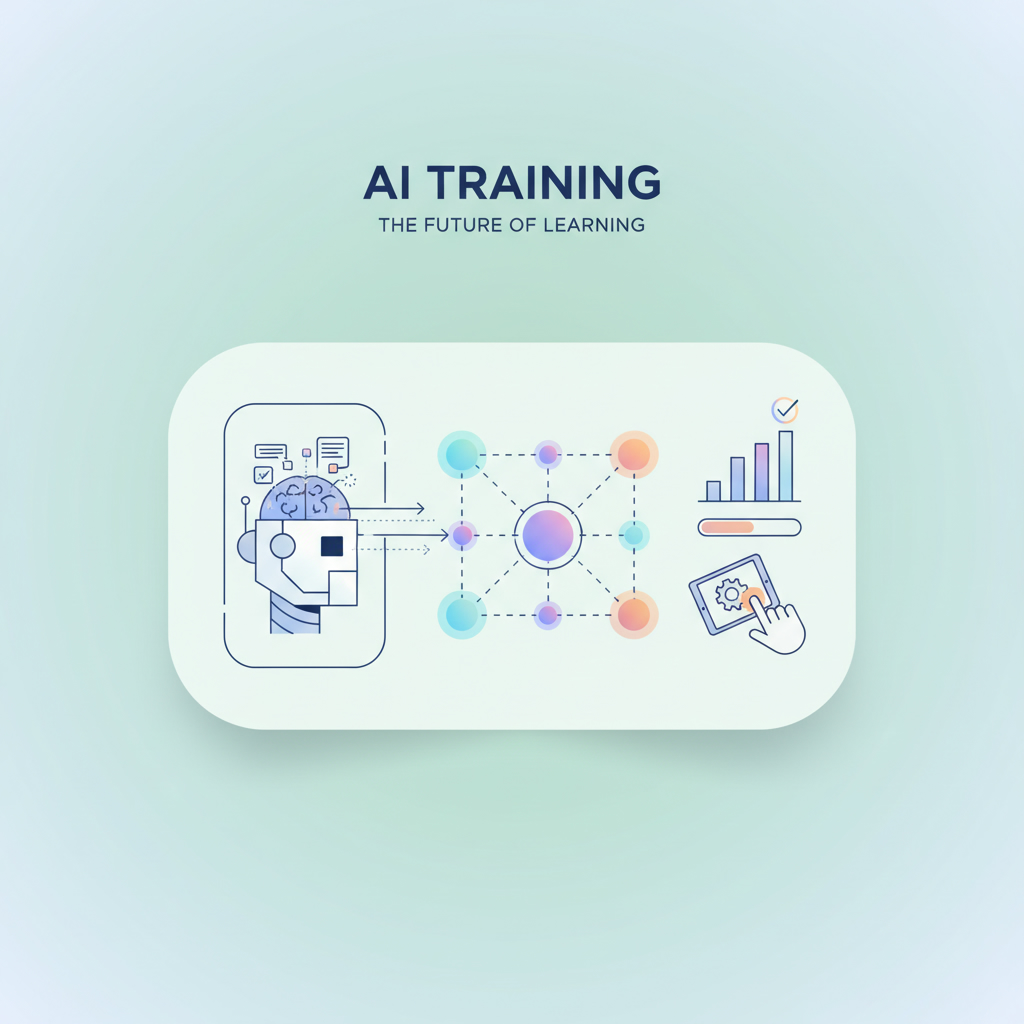
The Role of AI Agencies in Your Transformation Journey
Partnering with an AI agency can provide the expertise needed to navigate the complexities of AI implementation. These agencies often bring a wealth of experience and can tailor solutions to meet specific business needs. When considering hiring an AI expert, look for agencies that offer:
– Customized AI solutions aligned with your business goals.
– Proven methodologies for successfully integrating AI into existing systems.
– Ongoing support and training for your teams.
Measuring Success in AI Implementation
To gauge the effectiveness of AI initiatives, organizations should establish clear metrics. This includes evaluating:
– The impact of AI on operational efficiency.
– Employee adoption rates of AI tools.
– Overall business performance improvements attributable to AI.
Conclusion: Unlocking the Full Potential of AI
In conclusion, implementing artificial intelligence at scale is not merely about adopting new technologies; it requires a strategic approach to building an AI-ready workforce. By investing in training, optimizing workflows, and partnering with experienced AI experts, organizations can unlock significant value from their AI initiatives. For those looking to start or enhance their journey in AI, exploring resources like ServiceNow University can provide valuable support. With the right investment in skills and knowledge, businesses can thrive in the age of AI.