In today’s fast-paced work environments, the integration of AI into health and safety processes represents a significant advancement in how organizations manage employee safety observations. With the rise of artificial intelligence, companies can streamline reporting processes and enhance employee engagement. This blog post explores the benefits of using AI for health and safety observation intake and how implementing AI can transform workplace safety.
The Role of AI in Health and Safety
Leveraging AI in health and safety observation intake offers numerous advantages for businesses. Studies indicate that incorporating AI workflows can simplify the reporting process, making it more efficient and user-friendly. Here’s how AI can impact health and safety reporting:
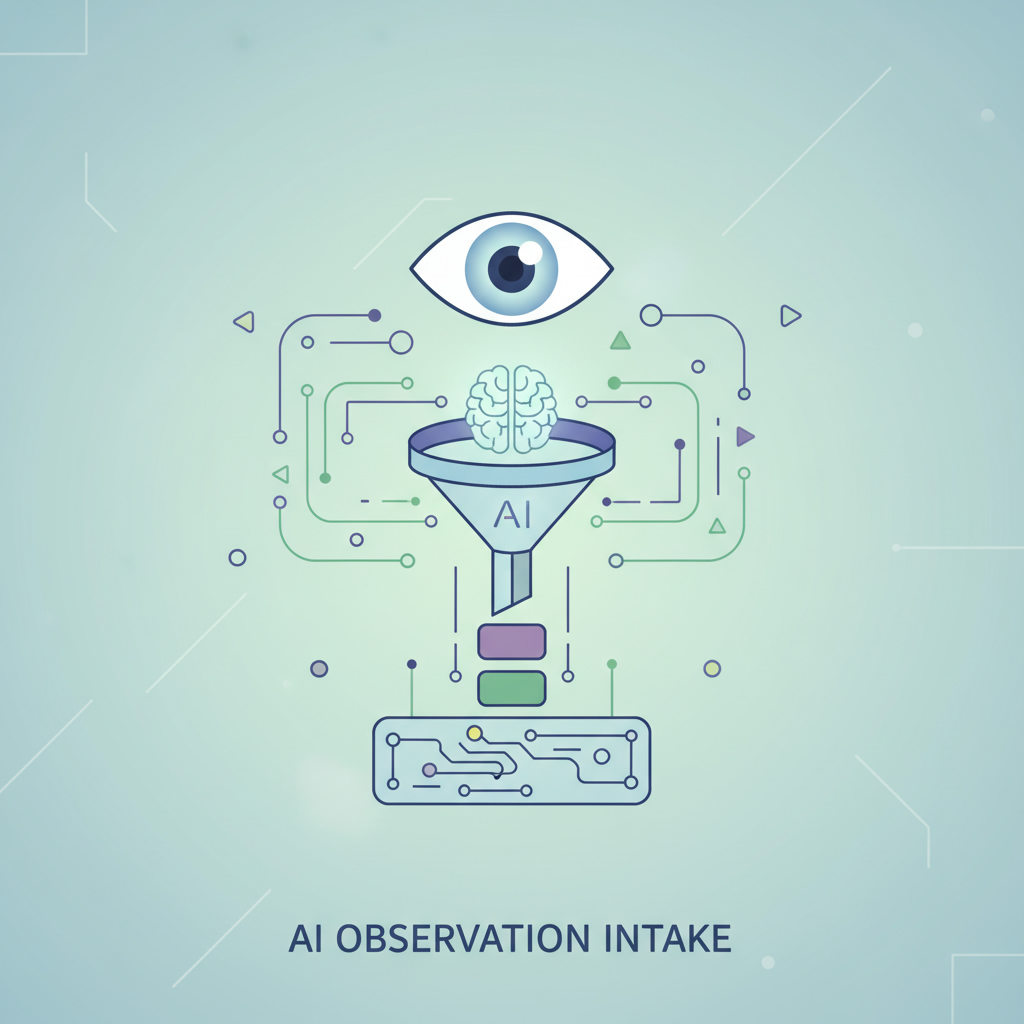
– Streamlined Reporting: Traditional reporting methods often overwhelm employees with numerous fields to fill out. AI enables a conversational approach, guiding employees through the necessary steps without the burden of excessive information entry.
– Increased Reporting Rates: By making the reporting process more accessible, organizations can expect higher rates of incident reporting. This is crucial for identifying potential hazards and reinforcing a culture of safety.
Enhancing Employee Engagement with AI Bots
AI bots play a pivotal role in enhancing employee interaction within the health and safety reporting framework. These intelligent systems can:
– Provide Real-time Assistance: Employees can interact with AI voice systems to report observations instantly, regardless of their location, whether on a mobile device or through a dedicated employee center.
– Support Data Accuracy: With AI guiding employees through the intake process, the likelihood of errors decreases, ensuring that the safety team receives accurate and actionable information.
Implementing AI for Effective Safety Management
To successfully implement AI in health and safety observation intake, organizations should consider the following steps:
1. Assess Current Processes: Understand existing reporting workflows and identify pain points that AI can address.
2. Choose the Right AI Agency: Collaborate with a specialized AI agency that understands your needs and can tailor solutions accordingly.
3. Integrate AI Solutions: Employ AI tools that facilitate conversational intake, allowing employees to submit observations with ease.
4. Train Employees: Ensure that your workforce is comfortable using the new AI-driven processes through training and resources.
According to recent research from the Occupational Safety and Health Administration (OSHA), effective reporting and communication are essential elements of workplace safety. By adopting AI solutions, organizations can foster a proactive safety culture, encouraging employees to voice their concerns without hesitation.
The Future of Health and Safety Reporting
As organizations continue to embrace artificial intelligence, the landscape of health and safety observation intake will evolve significantly. AI not only simplifies reporting but also enhances the overall safety management process, providing a comprehensive view of workplace hazards. By utilizing AI services, companies can:
– Facilitate Continuous Improvement: Regularly analyze data collected through AI systems to identify trends and areas for improvement in safety practices.
– Empower Employees: Create an environment where employees feel safe to report issues, knowing their feedback will lead to actionable change.
Conclusion: Transforming Workplace Safety with AI
In conclusion, implementing AI in health and safety observation intake is a game changer for organizations aiming to enhance their safety protocols. By simplifying the reporting process, increasing employee engagement, and ensuring data accuracy, companies can create a safer work environment. If you are considering enhancing your health and safety processes, it’s time to hire an AI expert or collaborate with an AI agency to implement these innovative solutions. For more information on implementing artificial intelligence in your organization, visit Implement Artificial Intelligence.