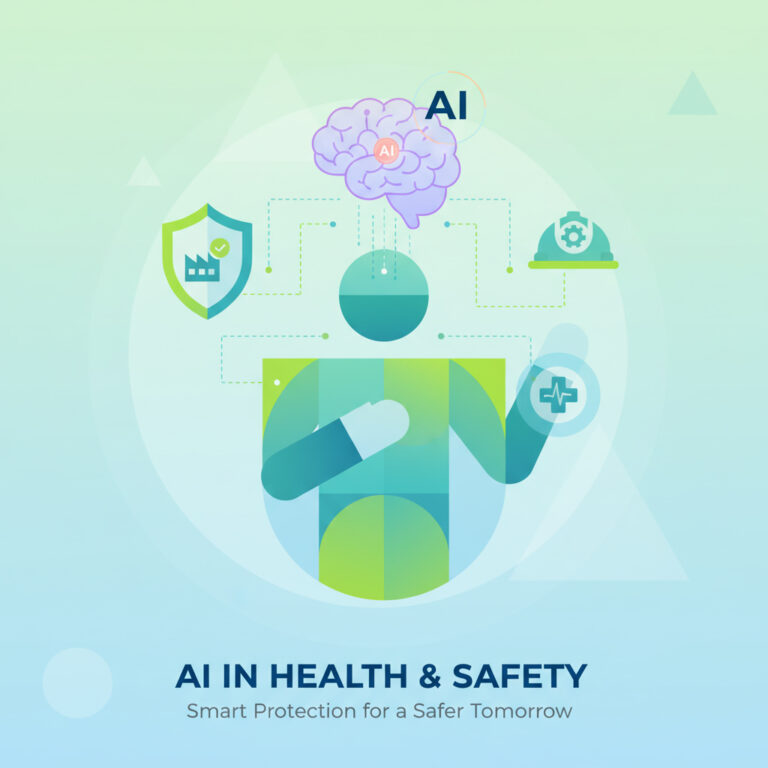
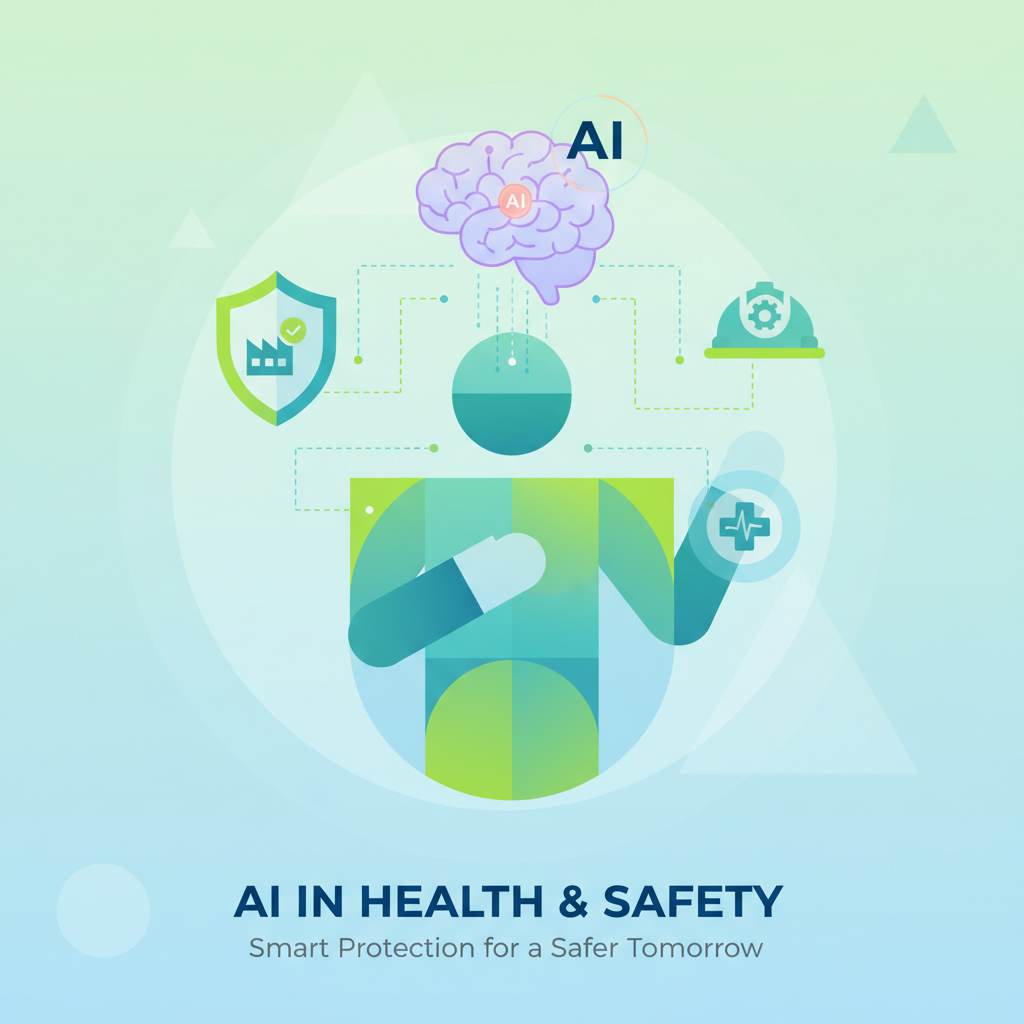
In today’s fast-paced corporate environment, implementing artificial intelligence in health and safety practices is no longer optional; it is a necessity. Organizations are increasingly recognizing the role of AI in enhancing safety measures and reducing incidents. By harnessing the power of AI, companies can proactively identify trends and mitigate risks more effectively than ever before.
AI technology, particularly in the realm of health and safety, allows teams to shift from reactive to proactive strategies. Traditional methods of analyzing incident data, often reliant on manual processes using Excel or Power BI, are time-consuming and inefficient. However, the introduction of an AI incident pattern detector transforms this landscape.
Understanding AI and Its Role in Health and Safety
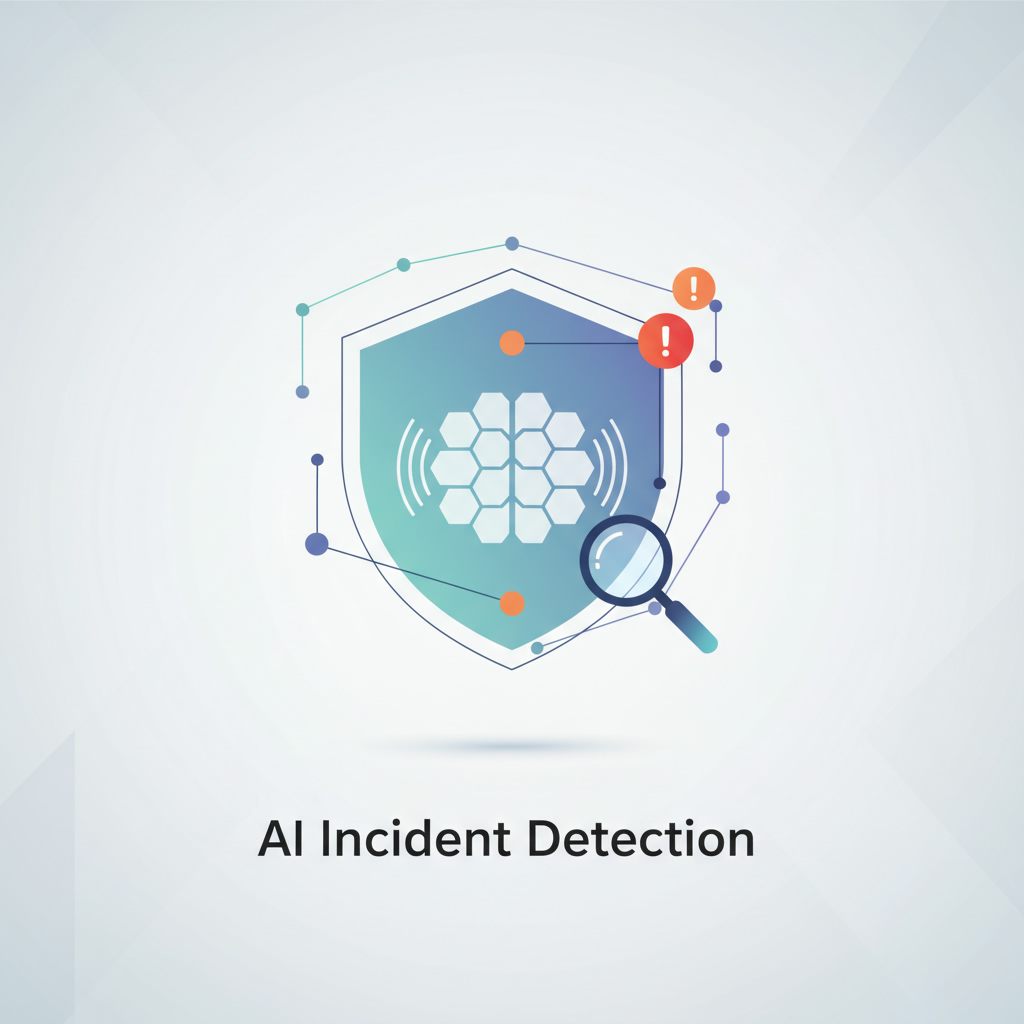
Artificial intelligence serves as a powerful tool in identifying incident patterns within organizations. This technology leverages historical data to uncover trends, providing safety teams with insights that were previously buried in spreadsheets or reports. By utilizing AI, organizations can ensure they are prioritizing their safety measures based on actual data rather than assumptions.
Key Features of AI Incident Pattern Detection
The AI incident pattern detector operates by analyzing various characteristics of incidents, such as:
– Time of day when incidents occur
– Specific locations within the organization
– Categories of incidents
– Involved personnel and assets
This comprehensive analysis allows for the identification of patterns with a minimum threshold of three incidents, empowering safety teams to focus on the most significant issues first.
Benefits of Implementing AI in Safety Workflows
1. Proactive Identification of Trends: Continuous monitoring of incident patterns allows safety teams to stay ahead of potential issues, leading to timely interventions.
2. Urgency Scoring: By assigning urgency scores, AI helps prioritize incidents based on their severity, ensuring that critical issues are addressed first.
3. Automated Recommendations: The AI agent not only identifies patterns but also provides actionable recommendations for corrective measures, significantly streamlining the decision-making process for safety teams.
Streamlined Processes for Safety Teams
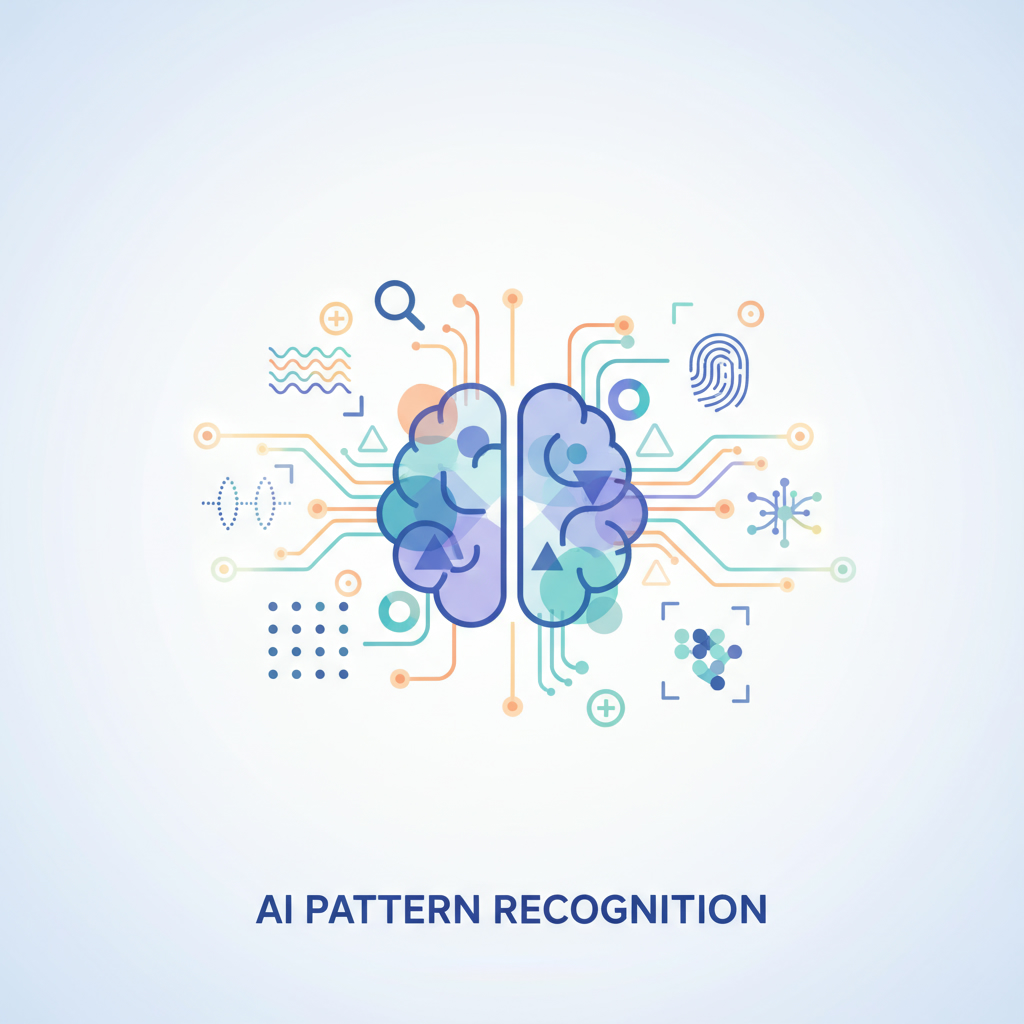
With AI integration, safety teams can easily summarize the patterns generated within their organization. Instead of digging through multiple reports, they receive concise summaries that can be shared across departments. This feature saves valuable time and enhances communication among stakeholders.
Moreover, the AI system can recommend actions based on historical data and standard operating procedures (SOPs). This capability allows teams to quickly implement corrective actions without the need for extensive manual analysis. The result is an efficient, evidence-based approach to improving workplace safety.
The Future of AI in Health and Safety
As AI technology continues to evolve, its applications in health and safety will expand. Organizations that embrace these advancements will not only improve their incident response times but also foster a safer work environment overall. According to research from the National Institute for Occupational Safety and Health (NIOSH), workplaces that utilize predictive analytics witness lower rates of workplace incidents.
How to Get Started with AI Solutions
If your organization is looking to enhance its safety protocols through AI, consider partnering with an AI agency that specializes in health and safety solutions. These experts can guide you through the implementation process, ensuring that you harness the full potential of AI technology.
For organizations ready to take the next step, visit Implement Artificial Intelligence to learn how to integrate AI into your safety workflows effectively.
By leveraging AI services, you can ensure that your organization remains vigilant against risks, thereby creating a safer workplace for all employees.
In conclusion, implementing artificial intelligence in health and safety is a game-changer. By detecting incident patterns and providing actionable insights, AI not only saves time but also enhances safety outcomes. Embracing AI technologies positions organizations to proactively address safety challenges, ultimately leading to a healthier work environment. To explore how AI can transform your safety practices, contact Implement Artificial Intelligence today.