In the rapidly evolving landscape of technology, mastering AI agent teams is crucial for organizations looking to implement artificial intelligence effectively. These teams utilize specialized AI agents that collaborate to tackle complex tasks efficiently. This blog post delves into the intricacies of setting up and managing AI agent teams, providing you with the knowledge to harness their full potential. By the end, you’ll understand how to optimize workflows, communicate across agents, and ensure high-quality outputs in your projects.
Understanding AI Agent Teams
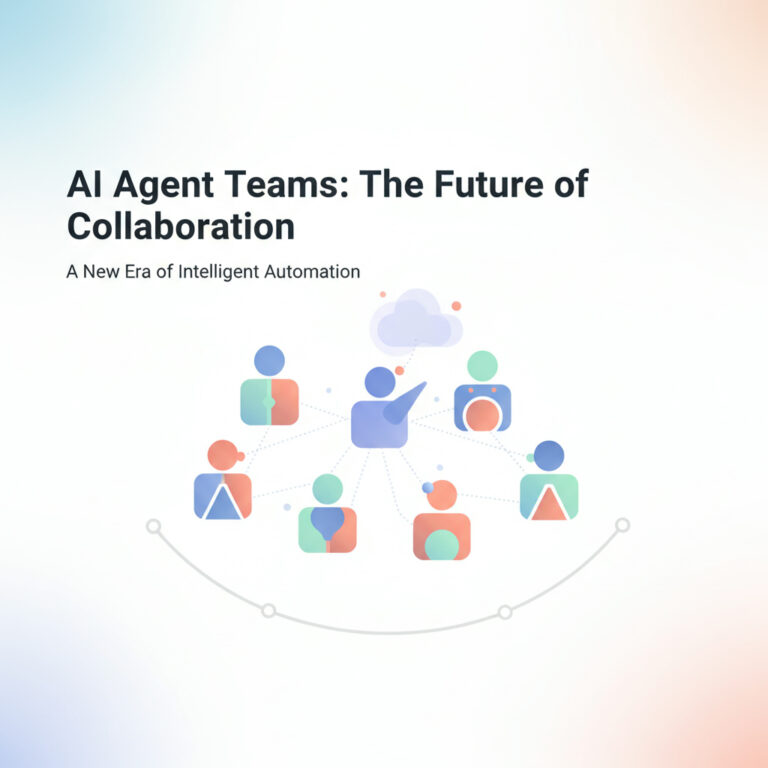
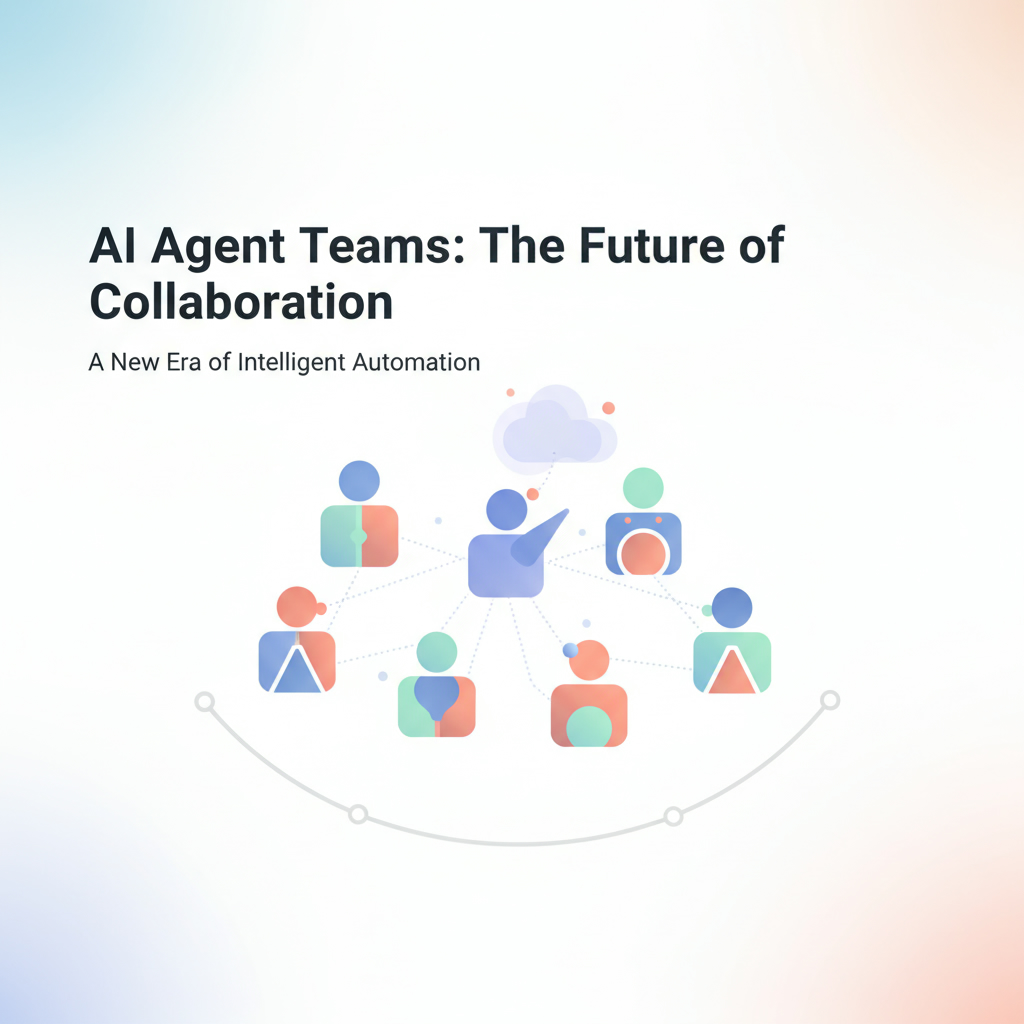
AI agent teams are comprised of multiple specialized agents that work together under a main orchestrator. Unlike traditional sub-agents, which operate independently, these teams engage in real-time communication and collaboration. This setup allows for seamless task management and enhances overall output quality.
The Structure of AI Agent Teams
1. Team Composition: An AI agent team typically includes various roles such as front-end developers, back-end developers, and QA agents. Each agent has a specific task and can communicate directly with others to streamline processes.
2. Shared Task List: The main orchestrator manages a shared task list, enabling agents to interact and address dependencies effectively. This is particularly beneficial when tasks require input from multiple agents.
Setting Up Your AI Agent Team
To get started with your AI agent team, follow these steps:
– Enable the Feature: Ensure your project settings in the cloud code are configured to support AI agent teams. This involves adding specific environment variables.
– Define Roles and Responsibilities: Clearly outline the responsibilities of each agent to avoid overlap and ensure effective collaboration.
– Utilize Documentation: Create a master reference guide for your agents to consult, allowing them to work more efficiently by having necessary information readily available.
Effective Communication Among Agents
Communication is key to the success of AI teams. Here are some strategies to enhance interaction:
– Direct Messaging: Allow agents to communicate directly, bypassing the main agent when necessary. This minimizes delays and improves responsiveness.
– Contextual Awareness: Provide agents with a clear understanding of their goals and tasks. This can be accomplished by setting a primary objective for the team at the outset.
Best Practices for Managing AI Workflows
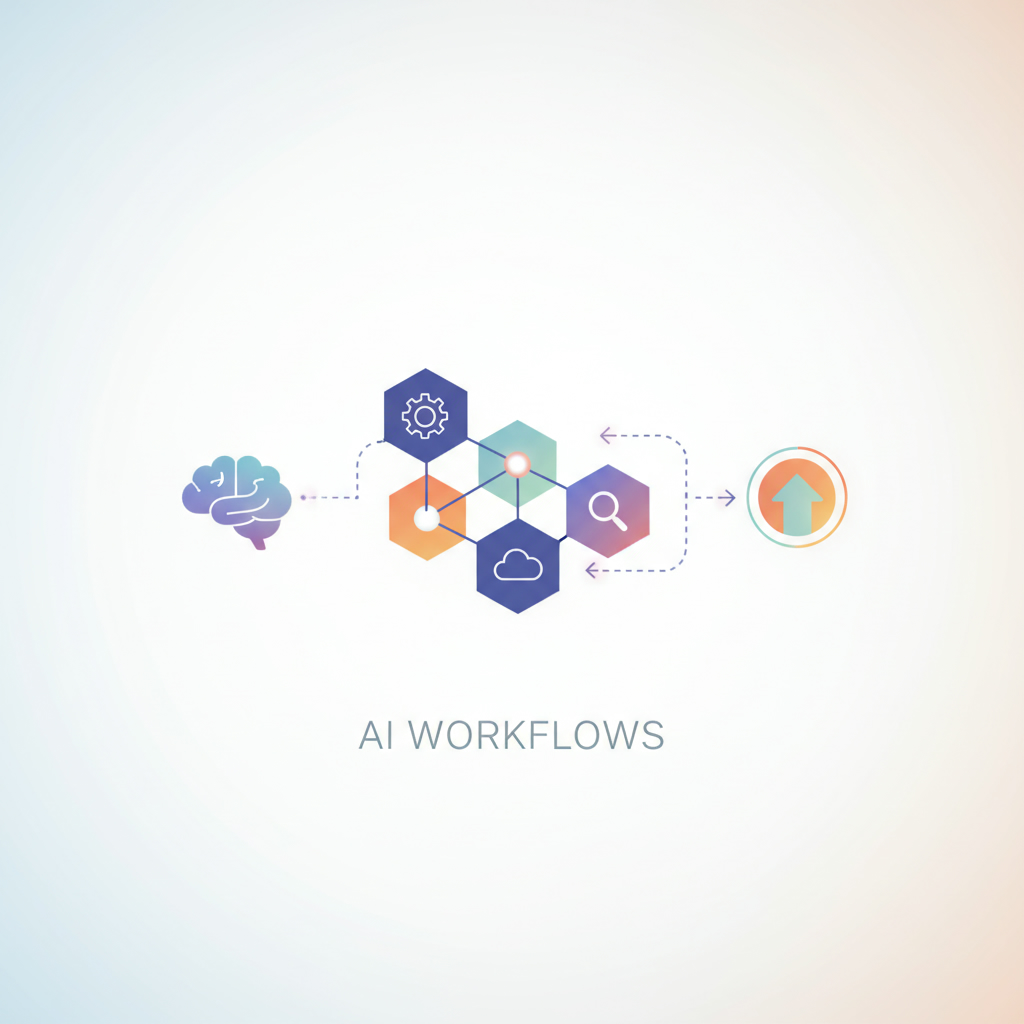
To maximize the effectiveness of your AI workflows, consider the following:
– Define Clear Outputs: Specify what deliverables you expect from each agent. Avoid vague instructions that can lead to misunderstandings.
– Limit Team Size: To optimize costs and efficiency, keep your agent teams small. Aim for three to five agents to balance capability and resource use.
– Iterative Feedback Loop: Implement a feedback mechanism where QA agents can relay findings back to developers, fostering a continuous improvement cycle.
When to Hire an AI Agency
Knowing when to hire an AI expert or agency can be pivotal for your project’s success. Consider reaching out when:
– Your tasks are complex and require specialized knowledge across various domains.
– You need to scale your operations quickly without compromising quality.
– You want to leverage advanced AI capabilities that your in-house team may not possess.
For more insights on hiring AI professionals, visit Implement Artificial Intelligence.
Conclusion
Mastering AI agent teams is essential for businesses aiming to implement artificial intelligence effectively. By understanding their structure, optimizing communication, and adhering to best practices, organizations can significantly enhance their AI workflows. If you’re ready to elevate your AI strategy or need assistance, consider reaching out to an AI agency today to unlock the full potential of artificial intelligence in your operations.
For further assistance, visit Implement Artificial Intelligence.