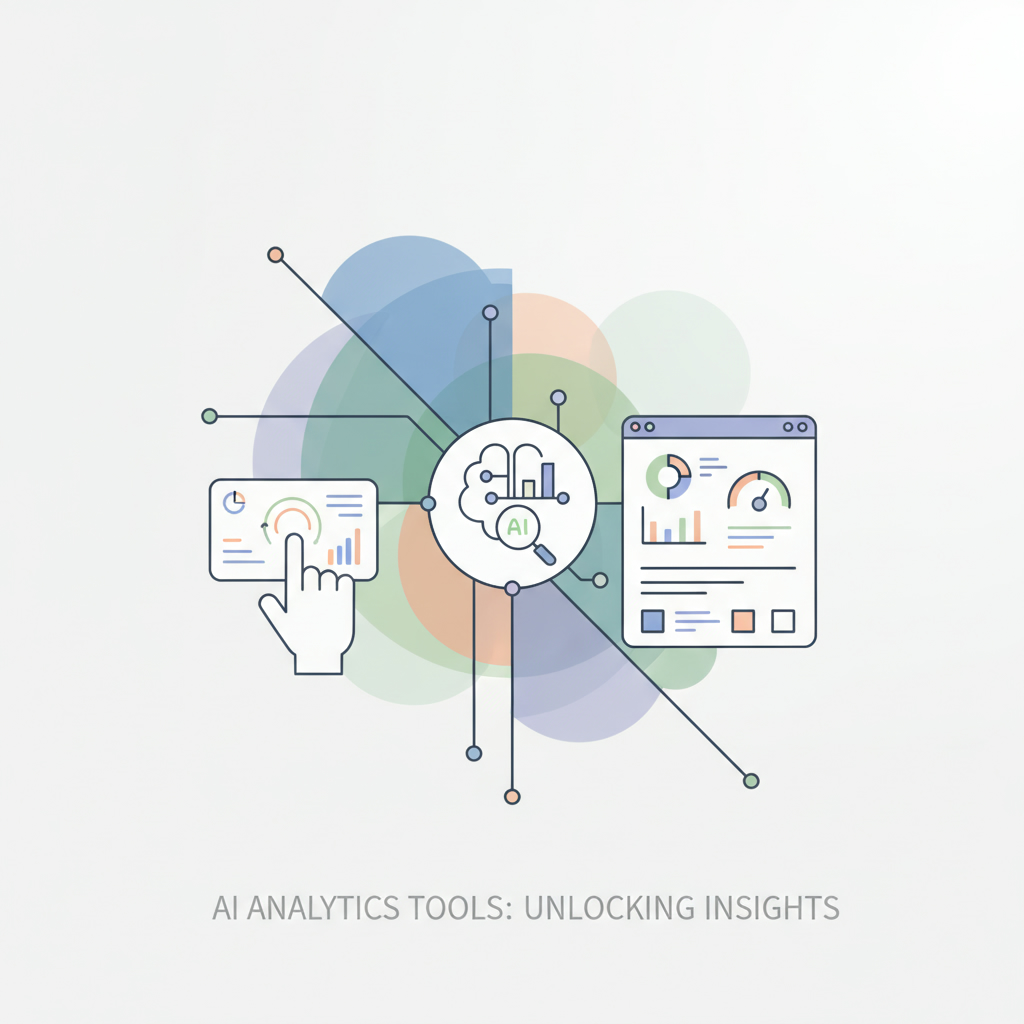

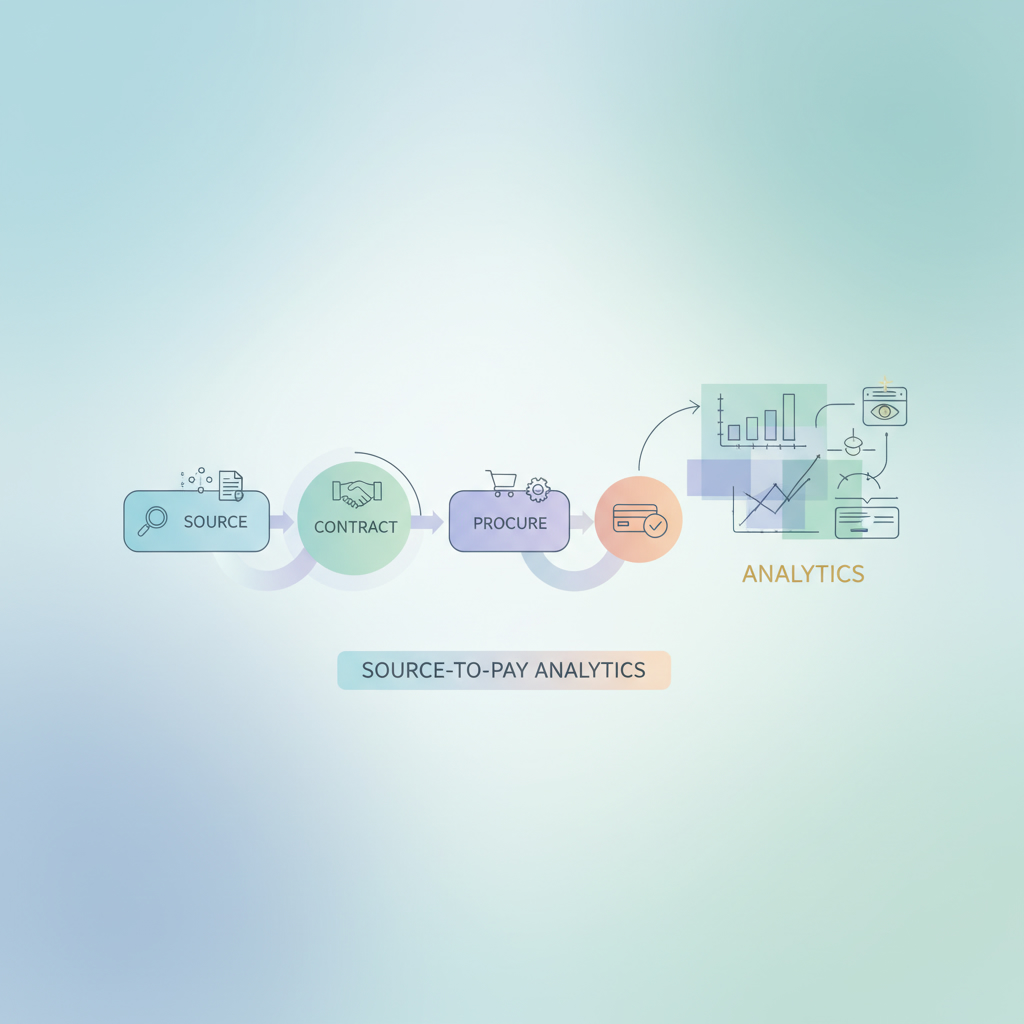
Implementing AI in your financial and supply chain processes can dramatically enhance efficiency and decision-making. This article explores how to add platform analytics to your Source-to-Pay workspace, leveraging artificial intelligence to drive insight and performance. By integrating AI workflows effectively, organizations can achieve a seamless experience, making reporting and dashboard viewing intuitive and actionable.
Understanding the Importance of AI in Source-to-Pay
Artificial intelligence is revolutionizing the way businesses approach their Source-to-Pay (S2P) processes. Experts agree that by implementing AI, organizations can streamline operations, reduce costs, and improve overall decision-making. With the rise of AI services, businesses can now harness data analytics to gain actionable insights, ultimately leading to better procurement and payment strategies.
The Role of AI in Financial Analytics
AI not only enhances the data analysis process but also allows for real-time reporting. By integrating AI voice and chat capabilities, companies can interact with their analytics systems in a more natural and effective manner. The use of AI bots for data retrieval and reporting simplifies complex tasks, making it easier for users to access the information they need.
Steps to Add Analytics to Your Source-to-Pay Workspace
To incorporate platform analytics into your S2P workspace, follow these essential steps:
1. Create a KPI Details Page: Navigate to the page creation section and select the KPI details template. Ensure that the URL path is unique to prevent confusion with existing pages. This page will help display critical performance indicators relevant to your operations.
2. Develop a Dashboard Overview: Utilize the dashboard overview template to create a comprehensive view of all dashboards. This is crucial for managing multiple analytics outputs effectively.
3. Incorporate Visualization Designer Pages: These pages allow users to design visual representations of their data, enhancing the analytical experience.
4. Establish a Variant for the Analytics Center: To provide the full analytics experience, create a new variant that overrides the existing Q&A experience. This ensures that users have access to a more comprehensive set of tools and insights.
Ensuring Optimal Functionality with AI Workflows
After creating the necessary pages and variants, it’s essential to ensure that your analytics center is fully functional. By adding optional parameters, you can enhance the usability of your analytics tools. This includes managing tab selections and filters, enabling a more customized user experience.
The integration of AI into these processes not only simplifies user interaction but also makes tracking and reporting more efficient. As you implement AI, remember to conduct regular updates to maintain the integrity and performance of your systems.
The Future of AI in Financial Processes
The trend towards AI-driven financial processes is only expected to grow. Companies that choose to embrace AI technologies will likely see significant advantages over their competitors. According to a McKinsey report, organizations that implement AI in their operations can achieve up to a 30% increase in productivity.
Conclusion: Embrace AI for Enhanced Performance
Implementing AI in your Source-to-Pay workflows is not just an option; it’s becoming a necessity in achieving operational excellence. By integrating platform analytics into your workspace, you can unlock new levels of insight and efficiency. If you’re ready to take the next step in your AI journey, consider partnering with an expert AI agency to help tailor solutions to your needs.
For more information on how to implement artificial intelligence in your organization, visit Implement Artificial Intelligence. Let’s work together to transform your financial processes and embrace the future of AI.