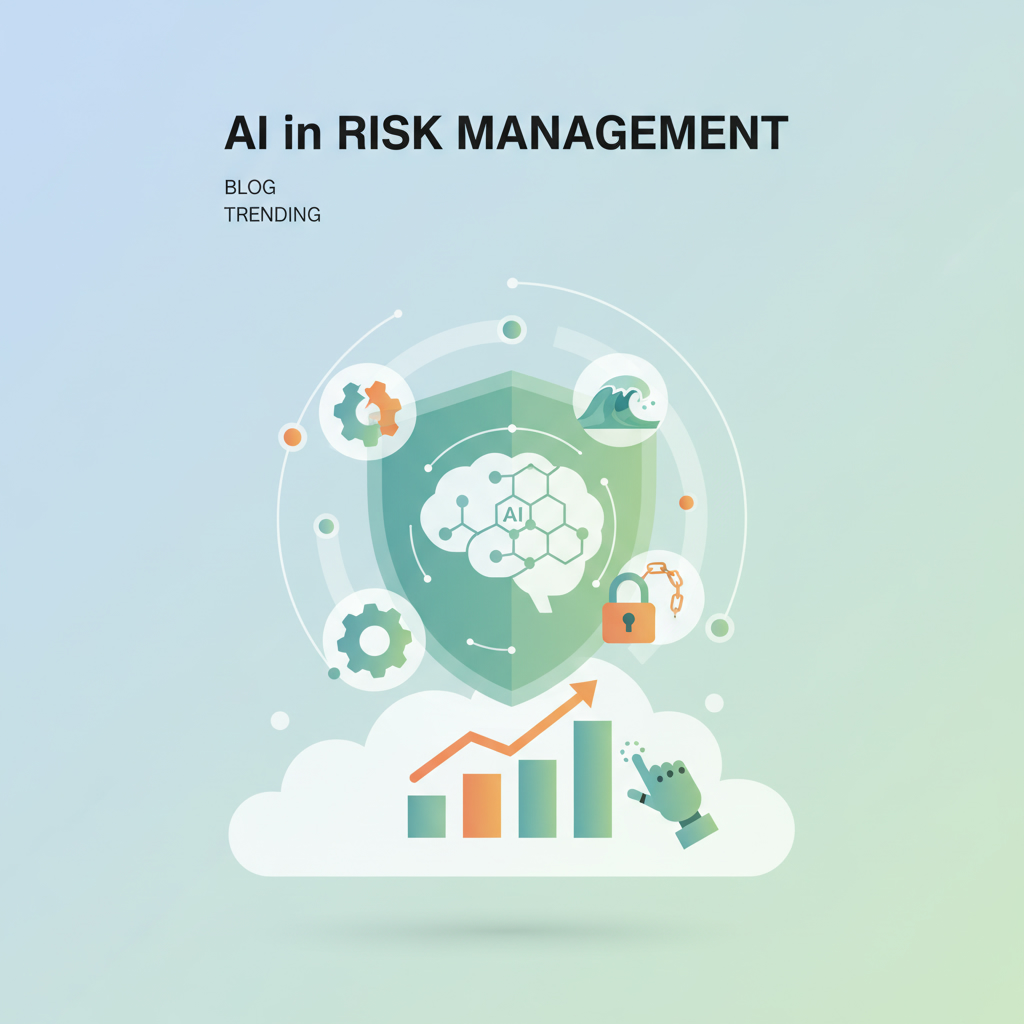
In today’s fast-paced business environment, the integration of AI into risk management processes is not just beneficial; it’s essential. As organizations strive to enhance their operational efficiency, the demand to implement AI solutions is skyrocketing. From automating risk assessments to providing real-time insights, AI has the potential to revolutionize how businesses manage risk. This comprehensive guide will explore the importance of AI in risk management and provide insights on how to effectively make this transition.
Understanding the Role of AI in Risk Management
Artificial intelligence is transforming various sectors, including finance, healthcare, and cybersecurity. The application of AI in risk management allows organizations to streamline their workflows, mitigate risks proactively, and make informed decisions rapidly. According to a study from the World Economic Forum, businesses that implement AI can improve their risk assessment processes by up to 60%, leading to faster decision-making and enhanced compliance with regulations.
The Benefits of AI in Risk Management Workflows
Implementing AI in risk management brings numerous advantages:
– Enhanced Data Analysis: AI systems can analyze vast amounts of data quickly, identifying potential risks that human analysts might overlook.
– Predictive Analytics: AI can forecast potential risk scenarios based on historical data, allowing organizations to prepare and mitigate effectively.
– Automated Reporting: AI can generate risk management reports quickly, saving time and resources while ensuring accuracy.
How to Implement AI in Your Risk Management Strategy
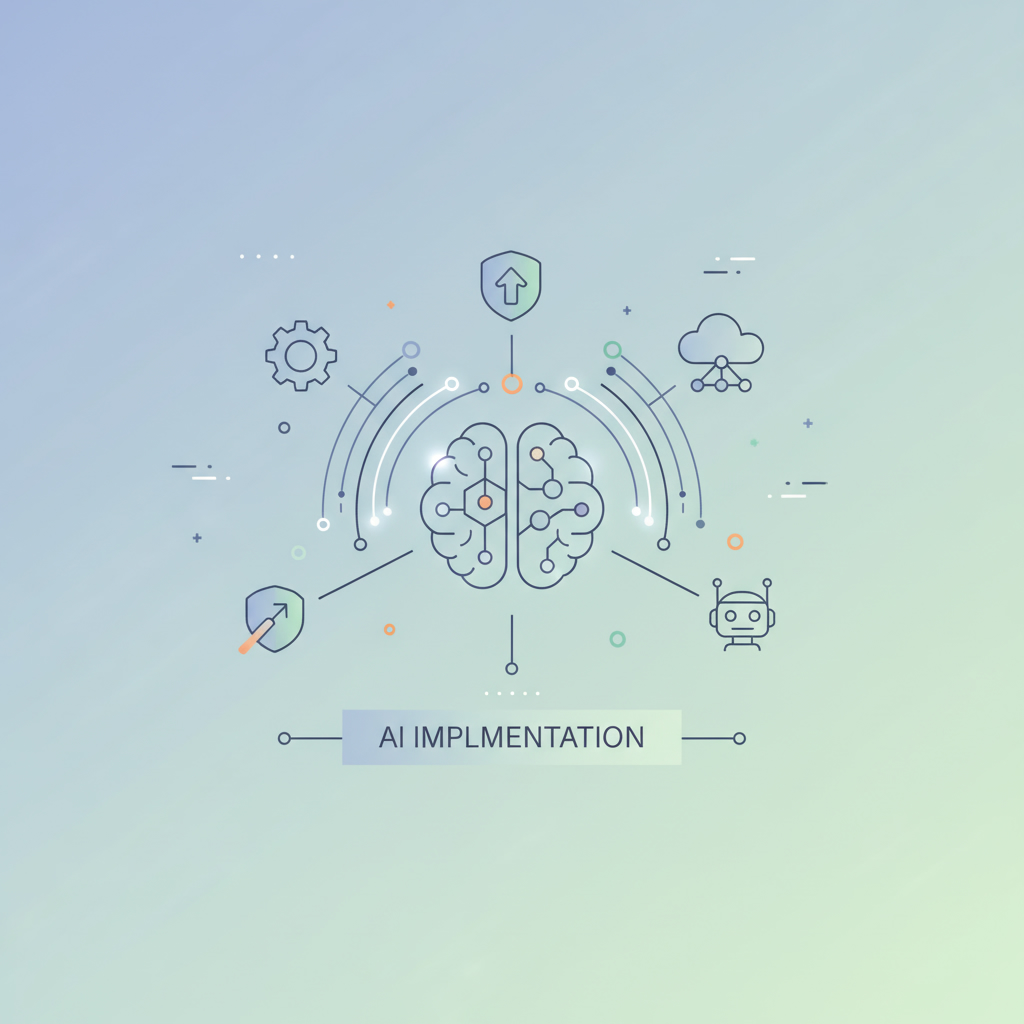
To successfully implement artificial intelligence in risk management, organizations should follow a structured approach:
1. Identify Key Areas for AI Application: Determine which aspects of risk management could benefit most from AI, such as compliance monitoring, fraud detection, or operational risk assessments.
2. Choose the Right AI Tools: Collaborate with an AI agency or hire AI experts to select the appropriate tools that align with your risk management objectives.
3. Integrate AI into Existing Workflows: Ensure that AI solutions seamlessly integrate with current risk management processes. This might involve training staff on new systems or adjusting workflows to incorporate AI functionalities.
4. Monitor and Optimize: After implementation, continuously monitor the performance of AI systems and make adjustments as necessary to enhance effectiveness.
The Future of AI in Risk Management
As businesses increasingly adopt AI technologies, the future of risk management will likely see even more sophisticated AI workflows. Innovations such as AI bots and AI-driven voice interfaces are set to enhance user experiences in managing risks. By leveraging these technologies, organizations can not only improve their risk management capabilities but also gain a competitive edge in their respective industries.
Conclusion: The Imperative to Implement AI
The integration of AI into risk management is no longer optional; it has become a necessity for modern businesses. By embracing AI solutions, organizations can enhance their risk management processes, making them more efficient and effective. To learn more about how to implement AI in your organization, consider reaching out to an AI agency or hiring AI experts who can guide you through this transformative journey.
For more information on implementing AI effectively, visit Implement Artificial Intelligence.