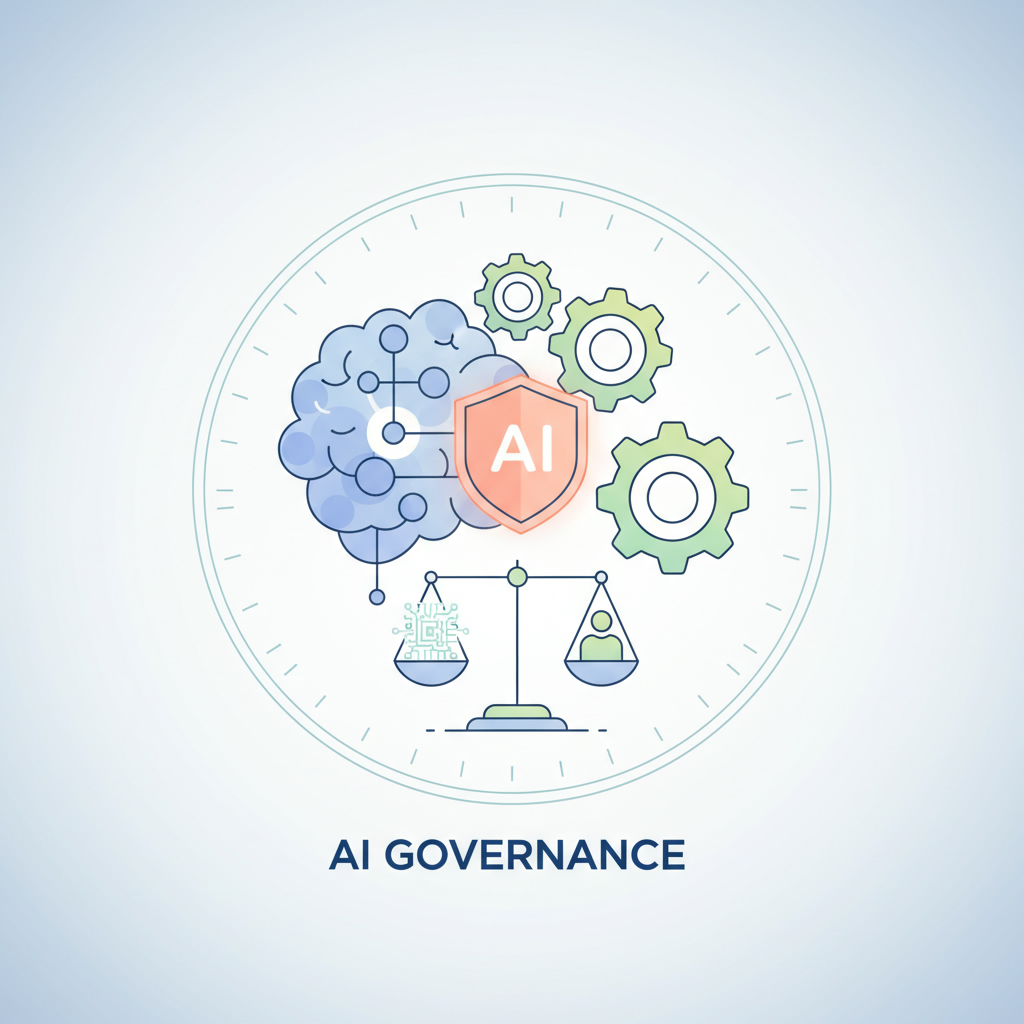
In today’s rapidly evolving digital landscape, the integration of artificial intelligence (AI) in the public sector is not just a trend; it’s a necessity. As organizations strive to enhance their operations, the challenge lies in effectively implementing AI technologies while ensuring governance and compliance. This blog will explore the concept of the AI Control Tower, a strategic framework designed to help public sector entities govern AI at scale, ensuring that they derive maximum value from their investments in AI services. Learn how to successfully implement artificial intelligence within your organization and the best practices to ensure effective governance.
Understanding the AI Control Tower Concept
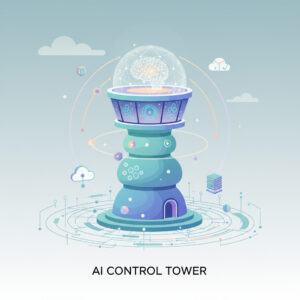
The AI Control Tower serves as a centralized hub that allows organizations to monitor and manage their AI workflows effectively. By integrating various AI models and tools into a single platform, public sector agencies can ensure that their AI initiatives align with organizational goals while adhering to regulations and compliance standards.
Experts agree that a well-structured governance framework is essential for leveraging AI technology. Organizations must evaluate how AI is applied, trained, and how it evolves over time. A successful governance strategy incorporates the following elements:
– Sensing: Monitoring AI performance and data integrity.
– Deciding: Making informed decisions based on AI insights.
– Acting: Implementing autonomous workflows that drive efficiency.
– Governing: Establishing policies to ensure compliance and risk management.
The Importance of Governance in AI Implementation
To achieve successful AI implementation, organizations must prioritize governance. According to a report by McKinsey, organizations that emphasize governance are more likely to realize significant returns on their AI investments. Governance frameworks help ensure that AI applications are not only effective but also ethical and compliant with regulatory requirements.
Key Aspects of AI Governance
1. Risk Assessment: Regularly evaluate AI systems to identify potential risks and biases.
2. Compliance: Adhere to relevant regulations such as the NIST AI framework and the EU AI Act.
3. Stakeholder Engagement: Involve various stakeholders in the decision-making process to ensure diverse perspectives.
Implementing AI in the Public Sector: Best Practices
When considering how to implement AI successfully, public sector organizations should follow these best practices:
1. Start with Clear Objectives
Define specific goals for your AI initiatives. What problems are you aiming to solve? Establishing clear objectives will help guide the implementation process and measure success.
2. Leverage Existing Infrastructure
Utilize your current systems and data sources to facilitate AI integration. The AI Control Tower functions best when it connects with existing platforms, ensuring a seamless flow of information.
3. Foster a Culture of Innovation
Encourage a mindset that embraces technological advances. Training and workshops can help staff understand the benefits of AI and how to effectively utilize AI tools in their work.
4. Continuous Monitoring and Improvement
Establish a framework for ongoing assessment of AI systems. This includes tracking performance metrics, user feedback, and compliance with governance policies.
AI Control Tower: A Case Study in Action
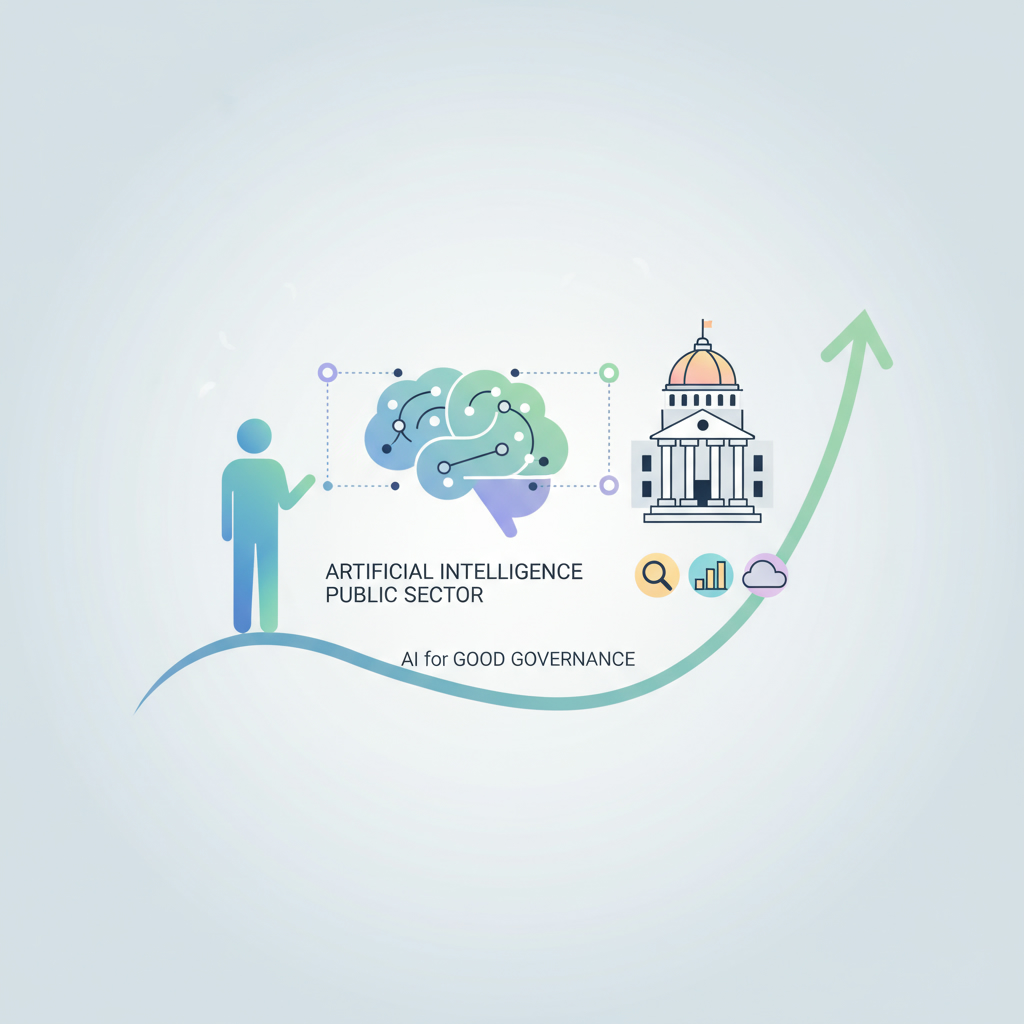
A prime example of the AI Control Tower’s impact can be seen in various federal agencies that have adopted this framework. By centralizing their AI initiatives, these agencies have improved operational efficiency, reduced redundancies, and enhanced service delivery.
Outcomes from AI Control Tower Implementation
– Improved Decision-Making: With data-driven insights, agencies can make more informed decisions.
– Increased Accountability: A clear governance structure ensures that all AI applications are compliant and ethically sound.
– Enhanced Collaboration: A centralized hub fosters collaboration across departments, breaking down silos that often hinder progress.
Conclusion: The Future of AI Governance in the Public Sector
As the public sector continues to evolve, the importance of effective governance in artificial intelligence cannot be overstated. The AI Control Tower provides a robust framework for managing AI initiatives, ensuring that organizations not only implement AI successfully but also maximize its potential while adhering to necessary regulations. To start your journey in implementing AI effectively, consider collaborating with an experienced AI agency. For more information on how to hire AI experts and integrate AI into your operations, visit Implement Artificial Intelligence.
Stay ahead in the AI revolution by prioritizing governance and harnessing the power of AI to transform your public sector agency.