
In today’s digital landscape, implementing AI in compliance management is crucial for fostering transparency and trust within organizations. The latest advancements in AI technology enhance the way employees report compliance violations, ensuring anonymity and security. This post will explore how anonymous reporting for compliance and privacy cases is revolutionizing the risk management landscape, allowing organizations to tackle issues like fraud and ethical breaches effectively.
The Importance of Anonymous Reporting in Compliance Management
Research shows that many employees fear retaliation when reporting compliance violations. This fear leads to unreported incidents, which can escalate and damage an organization’s culture. By implementing AI-driven solutions for anonymous reporting, organizations can create a safe space for employees to voice concerns without the fear of being identified.
How AI Transforms Compliance Reporting
Experts agree that AI technologies streamline compliance workflows and enhance the reporting process. AI can analyze data and flag potential issues, allowing compliance analysts to prioritize cases effectively. The integration of AI into anonymous reporting systems not only protects the identity of the whistleblower but also improves the quality of information available to investigators.
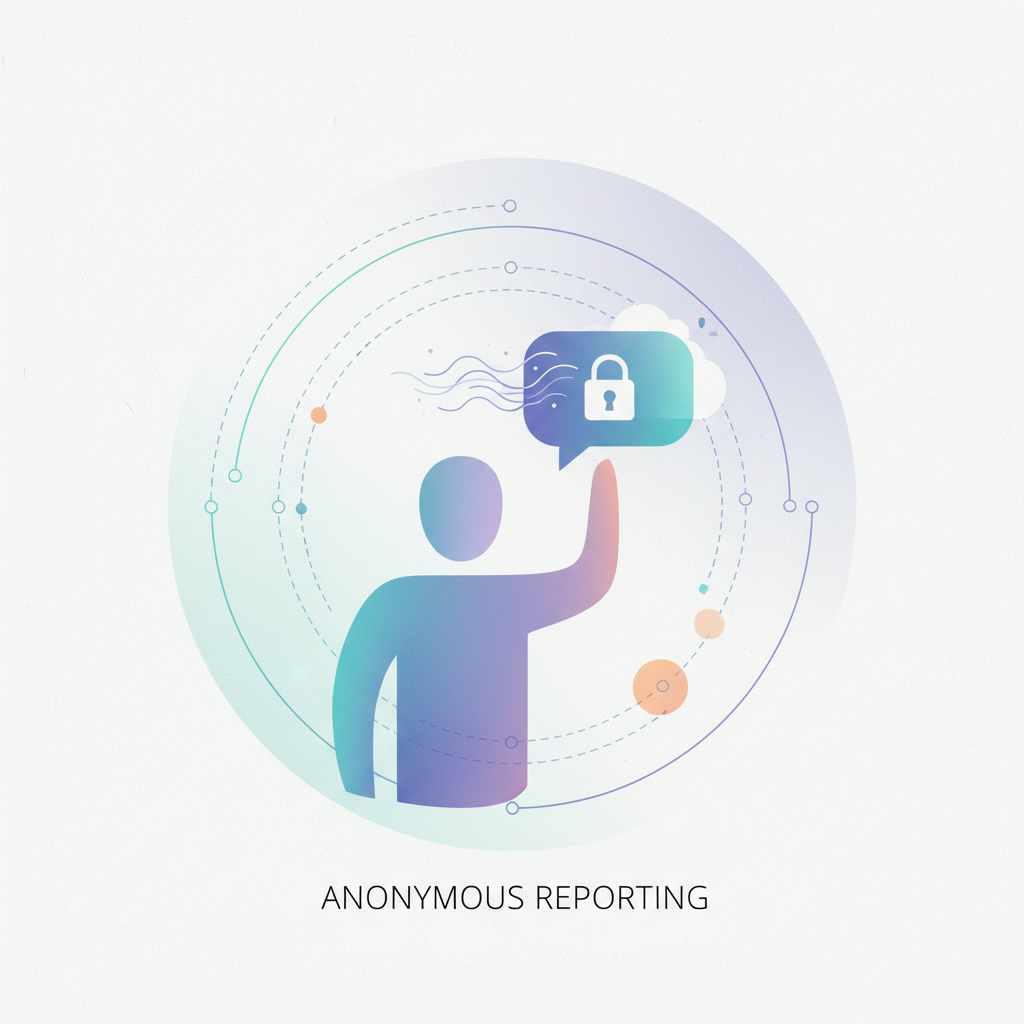
Key Features of Anonymous Reporting in AI-Driven Systems
1. Identity Protection: When an employee opts to submit an anonymous report, their session is terminated, ensuring that no identifiable information is stored. This architectural choice is vital for maintaining the whistleblower’s anonymity.
2. User-Friendly Interface: Employees can easily access the anonymous report center from the risk and compliance tab. This accessibility encourages more individuals to come forward with important information.
3. Detailed Reporting Forms: AI enhances the reporting process by providing structured forms that guide users in submitting comprehensive reports. These forms gather critical details, including the type of case, summary, and impact assessment, which assists compliance analysts in their investigations.
4. Follow-Up Capabilities: Whistleblowers can check the status of their reports using a unique report key, allowing for ongoing communication with compliance teams without compromising their identity.
The Role of AI in Privacy Management
As organizations increasingly prioritize data privacy, AI plays a significant role in managing privacy cases effectively. AI services can automate the monitoring of data usage and flag potential privacy breaches, enabling organizations to respond swiftly. This proactive approach ensures compliance with regulations, such as GDPR and CCPA, safeguarding both the organization and its employees.
Implementing AI Solutions for Effective Compliance Management
To implement AI successfully, organizations should consider partnering with an experienced AI agency. Hiring AI experts can provide the necessary knowledge and skills to develop tailored solutions that meet specific compliance needs. Organizations can leverage these AI services to design workflows that enhance reporting mechanisms while ensuring strict adherence to privacy standards.
Incorporating AI into compliance management not only addresses immediate reporting concerns but also fosters a culture of integrity and accountability within the workplace. The benefits of implementing artificial intelligence in this area are profound, as they lead to more informed decision-making and a stronger commitment to ethical practices.
Conclusion: The Future of Compliance Management with AI
As organizations navigate the complexities of compliance and privacy management, the integration of AI technologies will be essential. By implementing AI solutions for anonymous reporting, companies can ensure that employees feel safe to report violations, thereby strengthening their overall compliance posture. To learn more about how to implement artificial intelligence in your organization, visit Implement Artificial Intelligence or contact us today.
By embracing these innovative approaches, organizations can enhance their compliance efforts and build a transparent, ethical workplace culture that values employee input.
For further reading, you can check insights on compliance reporting from Harvard Business Review.