


In 2026, starting an AI software business is more accessible than ever before. With advancements in artificial intelligence technology, entrepreneurs can leverage AI to create scalable, profitable software solutions. The traditional barriers to entry have diminished, enabling individuals—even those without a technical background—to dive into the world of AI. This article explores the myriad opportunities available for starting your own AI-driven software business, the types of AI services you can offer, and how to successfully implement artificial intelligence in your projects.
The Rise of AI and Its Impact on Business Opportunities
Artificial intelligence has revolutionized various industries, presenting new avenues for budding entrepreneurs. Studies indicate that the demand for AI services is expected to grow exponentially, making it a prime time to launch an AI agency. With AI tools becoming increasingly user-friendly, the landscape is ripe for innovation.
Understanding Software as a Service (SaaS) in the AI Era
The Software as a Service (SaaS) model has long been recognized as a lucrative business strategy. AI has taken SaaS to a new level, allowing companies to provide ongoing value through subscription-based models. By implementing artificial intelligence, businesses can automate processes, enhance customer experiences, and generate recurring revenue streams.
For example, with AI bots, companies can deliver personalized customer support, streamline operations, and analyze vast amounts of data to inform strategic decisions. The beauty of SaaS lies in its scalability; once your software is developed, it can serve an unlimited number of users without significant additional costs.
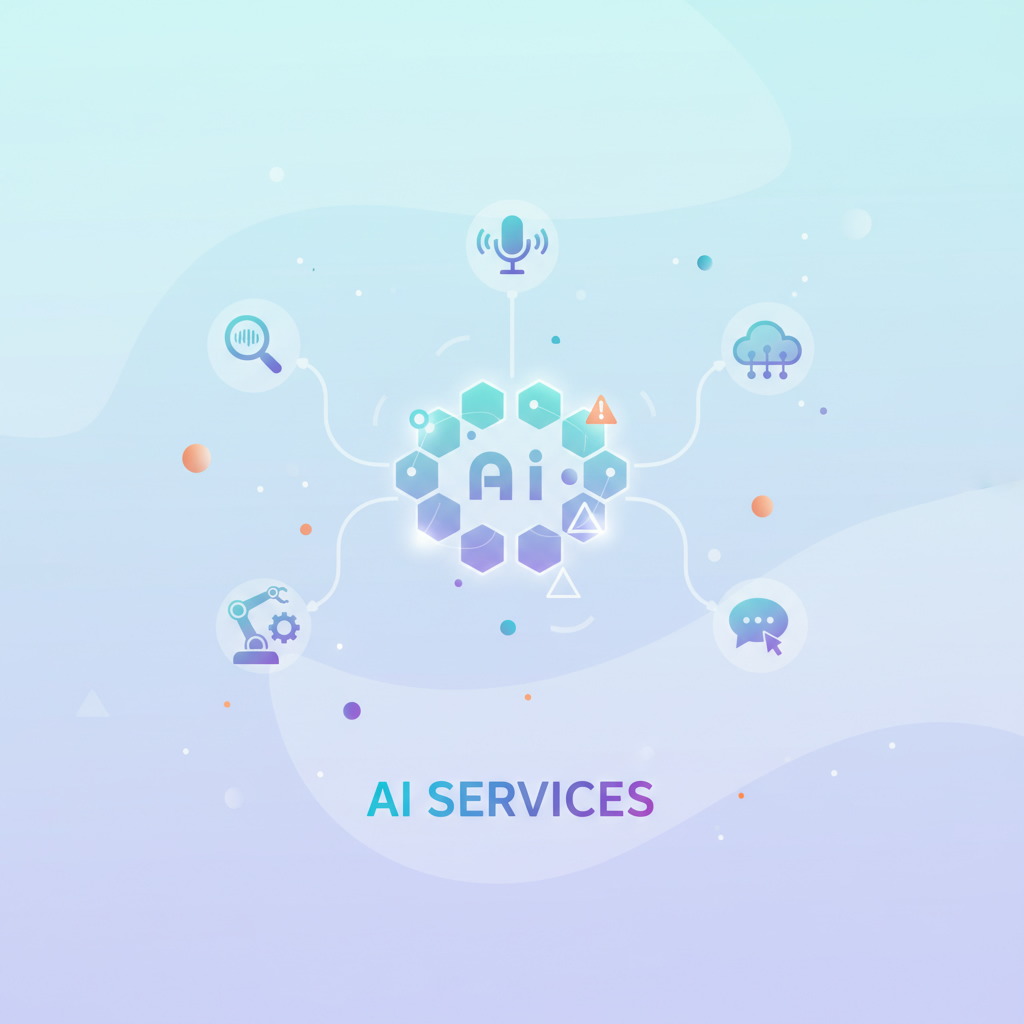
Types of AI-Driven Businesses You Can Start
There are several categories of AI-related businesses you can explore. Here are five promising avenues:
#### 1. Prompt Skills
Creating AI skills that encapsulate your expertise in specific areas can be a straightforward entry point. For instance, if you have experience in contract analysis, you can develop a skill that guides AI in reviewing documents effectively. This skill can be published on platforms like ClawHub, making it accessible to a wider audience.
#### 2. Utility Skills
Utility skills involve developing scripts that automate common tasks. For instance, creating a YouTube transcript extractor can help content creators save time and improve their workflows. These utility-based skills not only provide significant value but also create opportunities for ongoing revenue through subscriptions.
#### 3. API Integration Skills
By building skills that connect AI with existing software tools, you can streamline workflows for users. For example, integrating AI with popular CRM systems allows users to perform actions like adding leads via conversational commands.
#### 4. Backend Service Skills
This model resembles traditional SaaS but with a twist. By running a backend service that users can access through AI commands, you can create powerful solutions that can generate steady monthly income. For instance, a service that researches companies and compiles reports could charge users a monthly fee for access.
#### 5. Proprietary Data Skills
Creating skills that leverage unique datasets can set your business apart. By building a database of exclusive information, you can offer valuable insights that users cannot find elsewhere. This could be industry-specific data that informs business decisions and strategy.

How to Start Your AI Software Business
Starting an AI software business requires careful planning and execution. Here are steps to guide you:
1. Identify Your Niche: Determine what area of AI you want to focus on. Understanding market needs and gaps will help you create a valuable offering.
2. Develop Your Solution: Utilize AI tools to create your software or service. Many platforms now offer user-friendly interfaces for non-technical entrepreneurs.
3. Launch and Market Your Product: Create a simple landing page to promote your solution. Leverage social media and content marketing strategies to attract users.
4. Iterate Based on Feedback: After launching, gather user feedback to refine your product. Continuous improvement is key to maintaining relevance in the fast-paced AI landscape.
Why Now is the Time to Implement AI
The growth of AI technologies presents a unique opportunity for entrepreneurs. According to a recent report by McKinsey, companies that adopt AI see substantial improvements in their operational efficiency and customer engagement. As businesses look to innovate and stay competitive, the need for AI services will only increase.
If you’re looking to enter this market, consider hiring an AI expert or collaborating with an AI agency to help navigate the complexities of implementation. This partnership can ensure that you’re leveraging AI effectively and ethically.
Conclusion: Build Your Future with AI
The landscape for starting an AI software business has never been more promising. With the rise of AI technologies, the opportunities for innovation are vast. By focusing on creating AI-driven solutions, you can tap into a lucrative market that is set for explosive growth. For more guidance on implementing AI in your business, visit Implement Artificial Intelligence. Take the first step toward building your AI agency today!