Artificial intelligence (AI) is transforming how enterprises operate by providing deeper insights and improving decision-making processes. Organizations are increasingly looking to implement AI solutions that not only enhance productivity but also align with business objectives. One such effective strategy is the ‘Shift Left’ approach, which emphasizes embedding AI solutions early in the workflow to ensure that data is not an afterthought but a foundational component.
Understanding the Shift Left Approach in AI Implementation
The Shift Left philosophy in the context of AI focuses on integrating AI technologies and best practices into the early stages of project development. By prioritizing AI from the outset, businesses can create a robust data foundation that supports better decision-making and operational efficiency. This strategy is particularly relevant for organizations looking to hire AI experts who can guide the development of effective AI workflows.
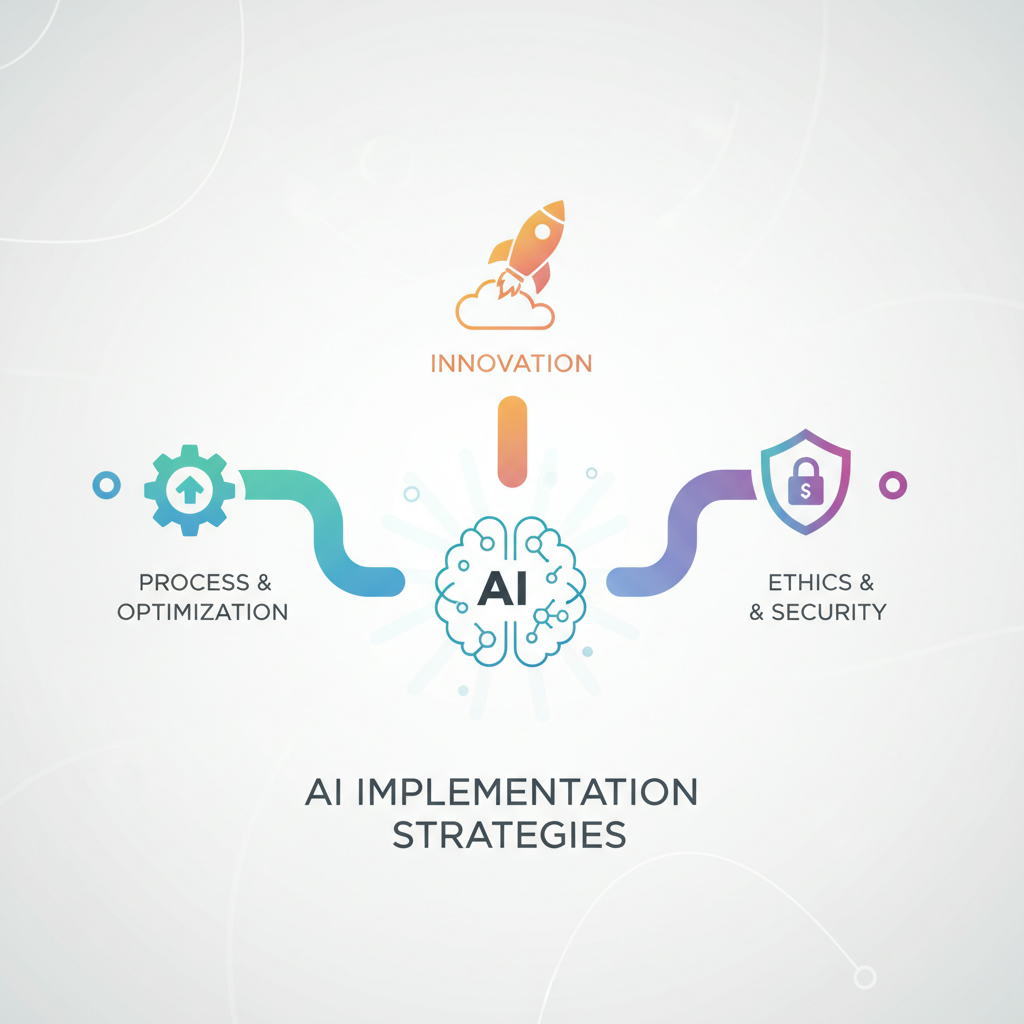
The Importance of a Strong Data Foundation
A dependable data foundation is crucial for the successful implementation of AI. This involves creating an ontology layer, which serves as an evolution of the semantic layer tailored for enterprise needs. An ontology not only organizes data but also ensures that it is meaningful and accessible to AI systems. By treating meaning as a first-class citizen in your data strategy, organizations can foster a culture where AI can thrive.
Connecting AI Solutions to Business Outcomes
Experts agree that the primary focus of AI implementation should be on achieving significant business outcomes. Data teams must engage closely with business operations to understand real-world challenges. For instance, if logistics issues like lost shipments are affecting performance, an AI solution should be designed to address those specific pain points.
When aligning AI projects with business objectives, it is essential to define key performance indicators (KPIs) that reflect organizational goals. This approach ensures that AI services are not just technically sound but also relevant and impactful.
Engaging Leadership and Cultivating a Data Culture
Leadership plays a pivotal role in the successful implementation of AI. When organizational goals and data initiatives are misaligned, it can hinder progress. Leadership must foster a culture that values data and incentivizes data producers to take ownership of their contributions. By ensuring that domain teams understand their data responsibilities, organizations can enhance accountability and drive better AI outcomes.
Best Practices for Implementing AI Solutions
1. Define Clear Objectives: Identify what your organization aims to achieve with AI. This can include improving customer service, optimizing supply chains, or enhancing product offerings.
2. Engage Early: Involve AI experts from the beginning to guide the development of AI solutions that align with business needs.
3. Iterate and Adapt: AI implementation is not a one-time process. Continually iterate on solutions based on feedback and changing business conditions.
4. Measure Success: Use defined KPIs to track the effectiveness of AI initiatives, ensuring they deliver real business value.
As you seek to implement AI solutions, consider the importance of finding the right AI agency that understands your unique challenges and can guide you through the process. A successful partnership can lead to innovative solutions that drive significant business outcomes.
Conclusion: Embrace AI to Transform Your Business
In conclusion, the shift left approach in AI is a game-changer for enterprises looking to harness the full potential of artificial intelligence. By focusing on a solid data foundation, engaging leadership, and aligning AI initiatives with business objectives, organizations can unlock powerful insights that drive success. If you’re considering how to implement AI in your organization, explore ways to partner with an expert AI agency that can help guide you through this transformative journey. To learn more about effective AI strategies, visit Implement Artificial Intelligence.