
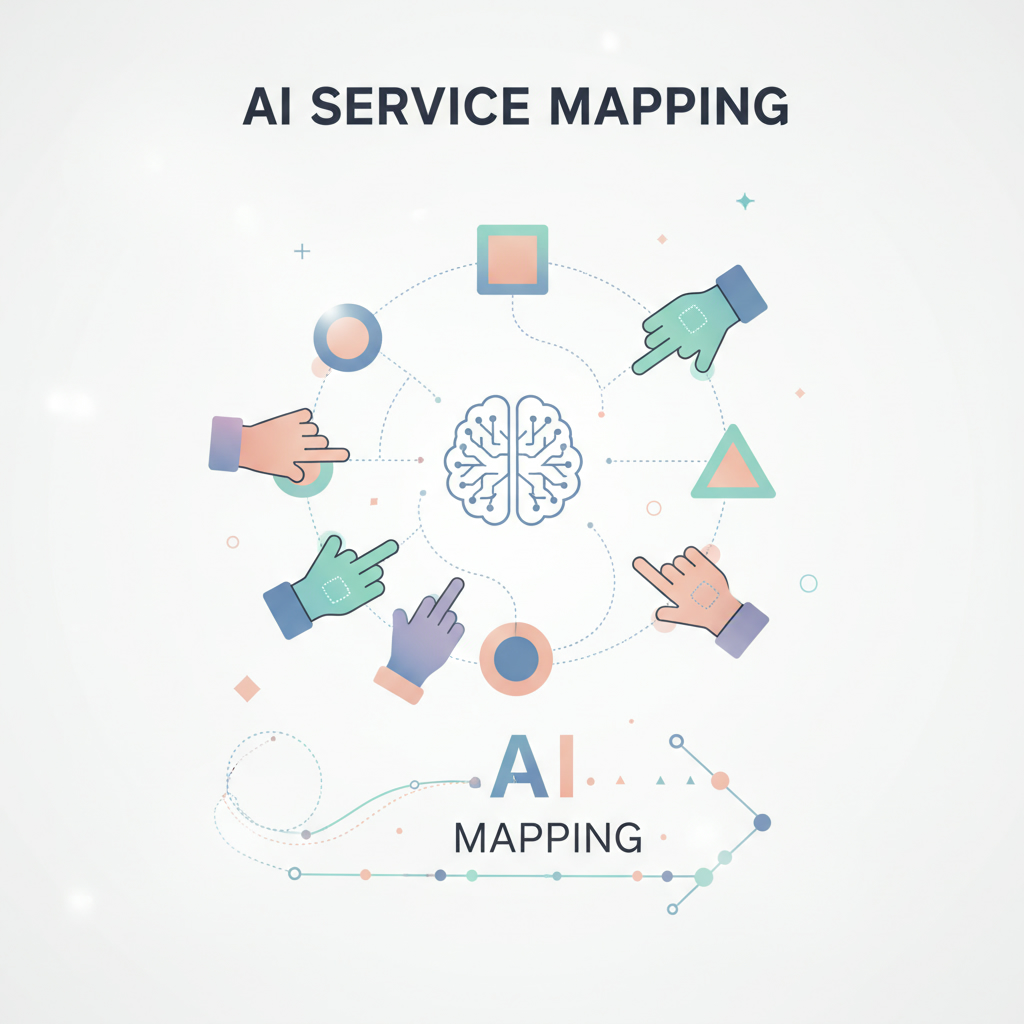
In the ever-evolving landscape of IT operations, implementing AI in service mapping has emerged as a game-changer for organizations seeking efficiency and accuracy. Service mapping, which involves understanding and visualizing the dependencies between various IT services, is critical for effective IT service management. By leveraging artificial intelligence, businesses can enhance their service mapping processes, improve operational reliability, and drive proactive incident management. In this article, we will explore leading practices for service mapping, the significance of a well-structured CMDB, and how AI workflows can streamline these processes.
Understanding the Importance of Service Mapping in AI Implementation
Service mapping is essential for creating a comprehensive view of how services are interconnected within an IT ecosystem. When organizations implement AI, they can automate the identification and mapping of these services, reducing manual effort and improving accuracy. Research shows that organizations utilizing AI services for service mapping experience faster incident resolution times, leading to improved customer satisfaction and reduced downtime.
Best Practices for Service Mapping with AI
1. Prioritize Executive Sponsorship: Successful service mapping initiatives require buy-in from leadership. An executive sponsor can facilitate collaboration across departments and ensure that necessary resources are allocated.
2. Utilize Tagging Strategies: Effective tagging is crucial for categorizing cloud and on-premises resources. Organizations should develop a tagging strategy that aligns with their business objectives to enhance the accuracy of service maps.
3. Leverage Multiple Mapping Methods: Using a combination of methods, such as tag-based mapping, top-down discovery, and machine learning, can provide a more holistic view of service dependencies. Experts agree that blending these approaches yields optimal results and ensures robust service mapping.
4. Integrate with Existing ITSM Tools: Incorporating service mapping insights into IT service management (ITSM) tools can enhance visibility and facilitate proactive decision-making. Integrating systems allows organizations to monitor dependencies and impact on services effectively.
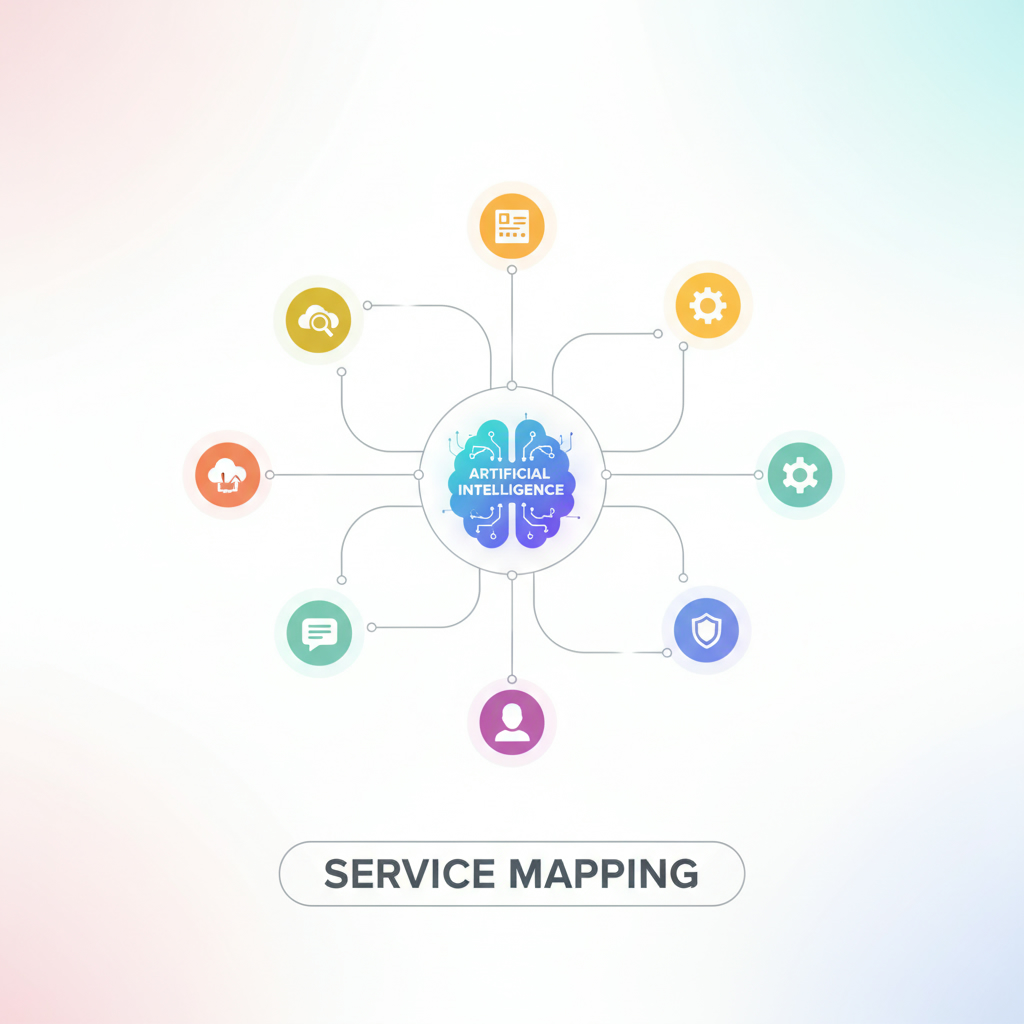
The Role of AI in Enhancing Service Mapping
Artificial intelligence plays a pivotal role in transforming service mapping processes. By automating data collection and analysis, AI can help organizations create accurate service maps without overwhelming teams with manual tasks. Here are some key benefits of using AI in service mapping:
– Efficiency: AI algorithms can analyze vast amounts of data quickly, identifying relationships and dependencies that may not be apparent through manual processes.
– Predictive Capabilities: By leveraging machine learning, organizations can predict potential service disruptions and address issues before they escalate.
– Dynamic Updates: AI can facilitate real-time updates to service maps, ensuring that organizations have the most current information regarding their IT infrastructure.
Key Methods for Service Mapping with AI
1. Tag-Based Mapping: This method is particularly effective in environments where resources are consistently tagged, allowing for easy identification of service relationships.
2. Top-Down Discovery: Using patterns and predefined rules, this approach maps services from the top level down, making it suitable for complex applications.
3. Machine Learning: By utilizing algorithms to analyze service interactions, organizations can automate dependency mapping and enhance the accuracy of service relationships.
4. Kubernetes Visibility Agents (KVA): For organizations using Kubernetes, KVA can streamline service mapping by providing visibility into containerized applications and their dependencies.
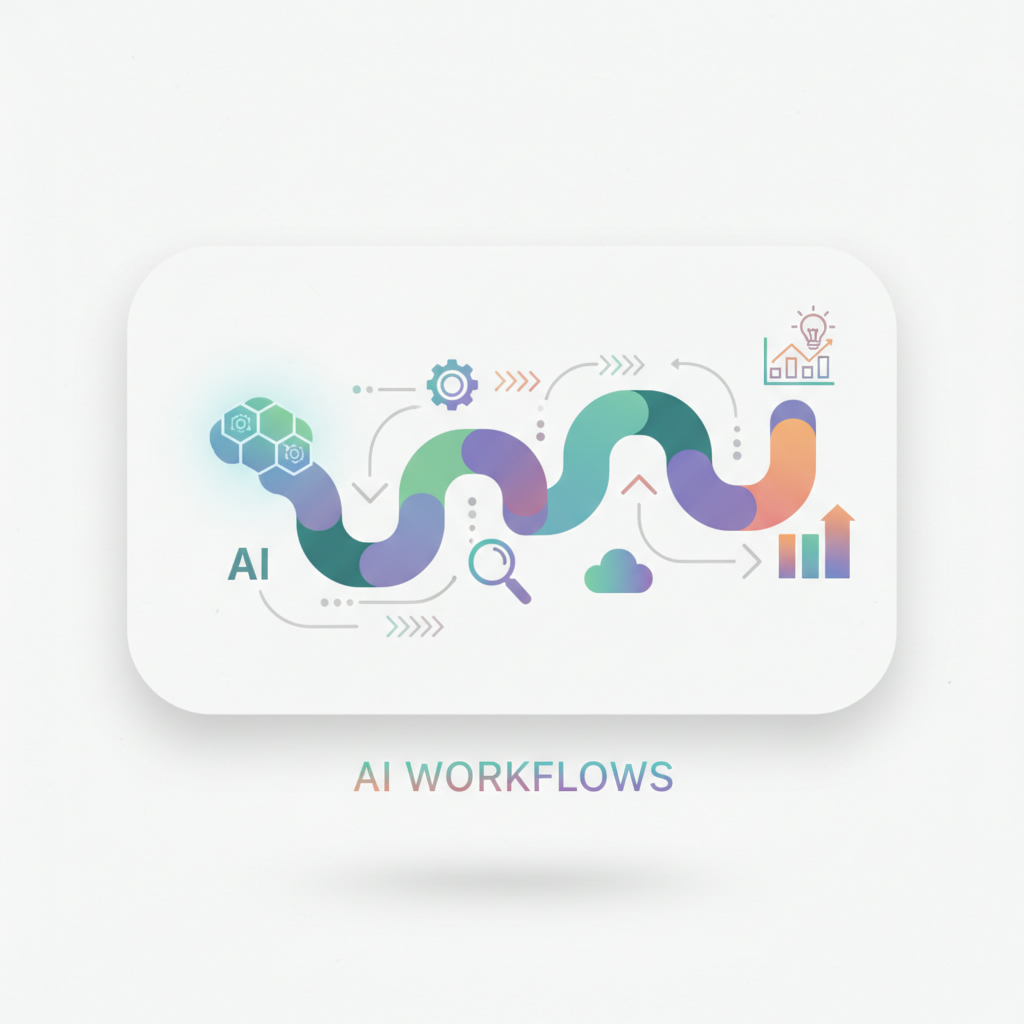
Implementing an Effective Service Mapping Strategy
To successfully implement a service mapping strategy using AI, organizations should consider the following steps:
– Conduct a Readiness Assessment: Evaluate the current state of your IT environment and identify gaps that AI can fill.
– Develop a Roadmap: Create a phased approach to implement AI in service mapping, starting with critical business services.
– Engage Stakeholders: Collaborate with cross-functional teams to gather insights and ensure alignment with business objectives.
– Measure Success: Establish key performance indicators (KPIs) to assess the effectiveness of your service mapping efforts and adjust strategies as necessary.
By following these practices, organizations can harness the power of AI to optimize their service mapping initiatives.
Conclusion
Implementing AI in service mapping is not just a trend; it is a strategic necessity for organizations aiming to enhance their IT operations. As businesses continue to evolve in their use of technology, leveraging AI will enable them to build robust service maps that reflect the true state of their IT infrastructure. For organizations looking to hire AI experts or partner with an AI agency, focusing on service mapping is a critical step toward achieving operational excellence. Explore how you can optimize your service mapping efforts and improve your overall IT strategy by visiting Implement Artificial Intelligence.