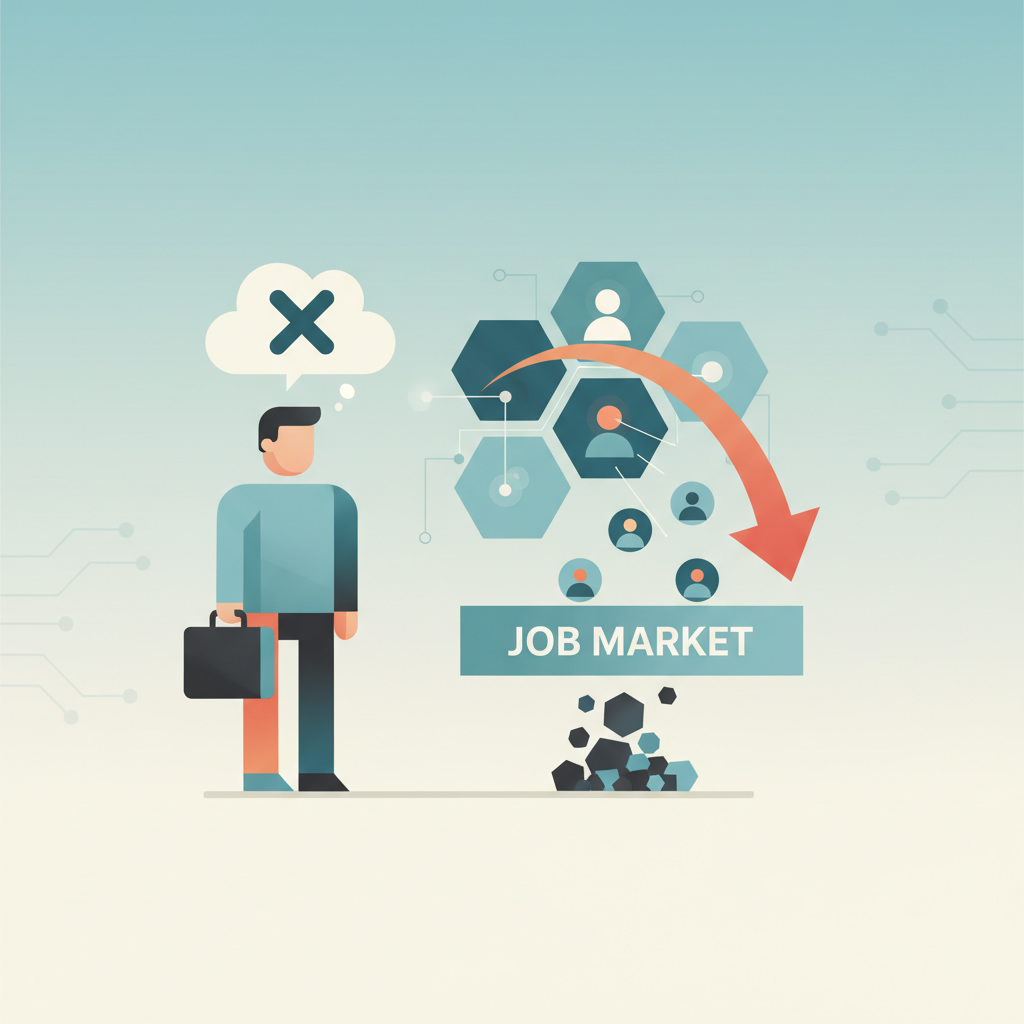
The rise of AI is reshaping the workforce landscape, leading to significant job losses and creating new economic challenges. As artificial intelligence technology continues to evolve, the implications for workers, especially in developed nations, are becoming increasingly dire. Recent reports indicate that in January alone, the United States experienced around 110,000 layoffs, with only 5,000 new jobs created, marking a critical point in the ongoing transformation driven by AI.
Experts are observing a troubling trend where AI is outperforming human labor in various economically valuable tasks. This shift raises questions about the future of work and the sustainability of traditional employment models. In this article, we’ll explore how AI is leading to mass unemployment, the potential for a new economic paradigm, and what businesses can do to navigate this changing landscape.
The Impact of AI on Job Losses
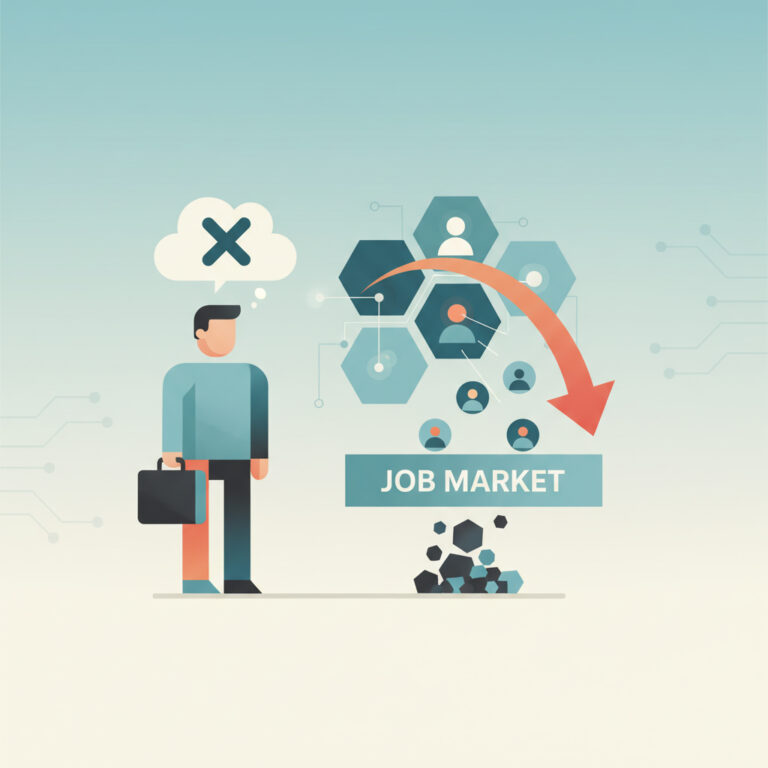
The statistics surrounding job loss due to AI are alarming. As a leading economy, the U.S. is experiencing its highest number of job losses in January since 2009, illustrating a significant decline in traditional employment opportunities. Research indicates that AI and automation could displace 30% to 50% of current jobs in the coming decade. The ratio of new job creation to job loss is concerning, suggesting that for every 20 jobs lost, only one might be replaced.
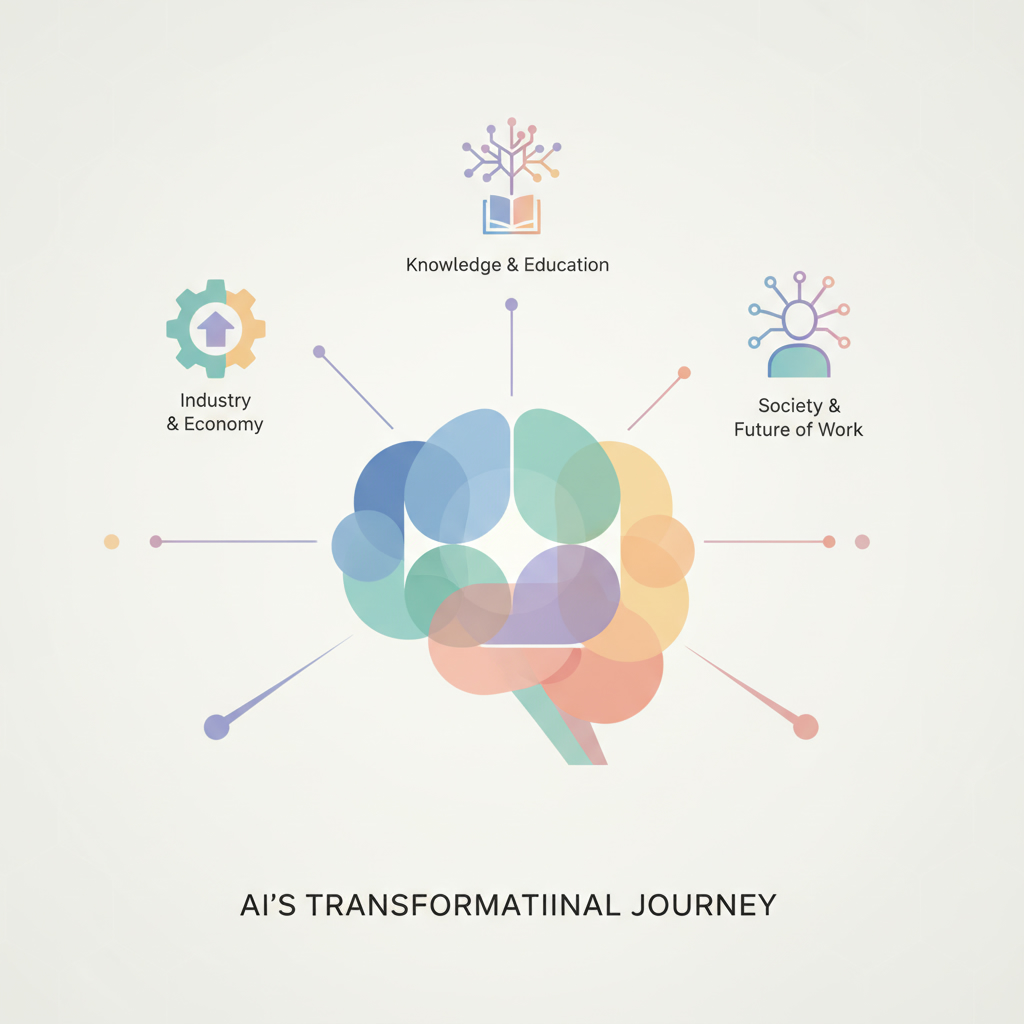
This phenomenon is not limited to the United States. Countries around the globe are grappling with similar challenges as AI technology permeates various sectors. The implications are profound: as AI systems become capable of performing tasks once thought to require human oversight, the traditional roles that many have relied upon are becoming obsolete.
The Shift from Labor to Automation
Historically, technological advancements have led to changes in the workforce, but with AI, the dynamics are different. Unlike previous industrial revolutions, where workers could transition to supervisory roles, AI can outperform humans even in management capacities. This raises a critical question: What happens when AI can manage AI? The economic value of human labor is under threat as AI models continue to evolve, improving their efficiency and effectiveness.
Studies show that individuals working in knowledge sectors are particularly vulnerable. As AI automates complex tasks—from coding in multiple languages to summarizing extensive research—many traditional job roles are at risk. The stark reality is that the biological limitations of human cognition cannot compete with the speed and efficiency of AI systems.
Rethinking Economic Value
As we approach a future where AI dominates the workforce, there is a pressing need to rethink how we define economic value and compensation. The traditional model, where individuals are paid for their labor and productivity, is becoming increasingly outdated. Experts suggest that we may need to consider alternative compensation systems, such as universal basic income (UBI), to provide financial stability in a landscape where AI performs most economically valuable tasks.

However, UBI has its challenges, as research indicates that without meaningful work, individuals may experience decreased motivation and satisfaction. This highlights the importance of finding innovative ways to foster human engagement and satisfaction in a future where AI plays a central role in productivity. Moving forward, society must explore systems that reward creativity, innovation, and emotional intelligence—traits that AI cannot replicate.
Preparing for the Future: Hire AI Experts
In this rapidly shifting landscape, businesses must adapt by embracing AI services and workflows. Hiring AI experts is essential for organizations looking to implement artificial intelligence effectively and leverage its potential. By partnering with an AI agency, companies can navigate the complexities of AI implementation and ensure they remain competitive in the evolving market.
For businesses uncertain about how to harness AI technology, consulting with professionals at Implement Artificial Intelligence can offer valuable insights and strategies tailored to specific industry needs.
Navigating Civil Instability
The impending rise in unemployment due to AI could lead to civil unrest and instability, as seen in historical contexts where economic hardship has driven societal upheaval. The correlation between high unemployment and political extremism is well-documented. As AI continues to disrupt traditional job markets, the risk of societal discord increases, emphasizing the need for proactive measures to address these challenges.
In conclusion, the advent of AI is not just a technological shift but a profound transformation of our economic landscape. To thrive in this new era, it’s crucial to understand the implications of artificial intelligence on job loss and economic systems. By hiring AI experts and implementing effective AI strategies, businesses can better prepare for the future while contributing to a more stable and equitable society. Explore the possibilities today by visiting Implement Artificial Intelligence and start your journey towards a successful integration of AI into your business model.