
In today’s fast-paced business environment, the push to implement artificial intelligence (AI) solutions is relentless. Companies are often caught in a whirlwind of hype surrounding AI, losing sight of tangible business outcomes. This article explores how to cut through the noise of AI trends, focusing instead on measurable results that impact your bottom line. You’ll learn practical strategies to leverage AI effectively, ensuring that investments in AI services translate into real financial gains.

Understanding the AI Landscape
The landscape of artificial intelligence is evolving rapidly, with new AI workflows and technologies emerging almost daily. However, as organizations rush to adopt the latest AI solutions, many fail to define their objectives clearly. According to a study by McKinsey, only 20% of companies that invest in AI achieve significant financial returns. This statistic underscores the importance of aligning AI initiatives with specific business goals.
The Dangers of Chasing AI Hype
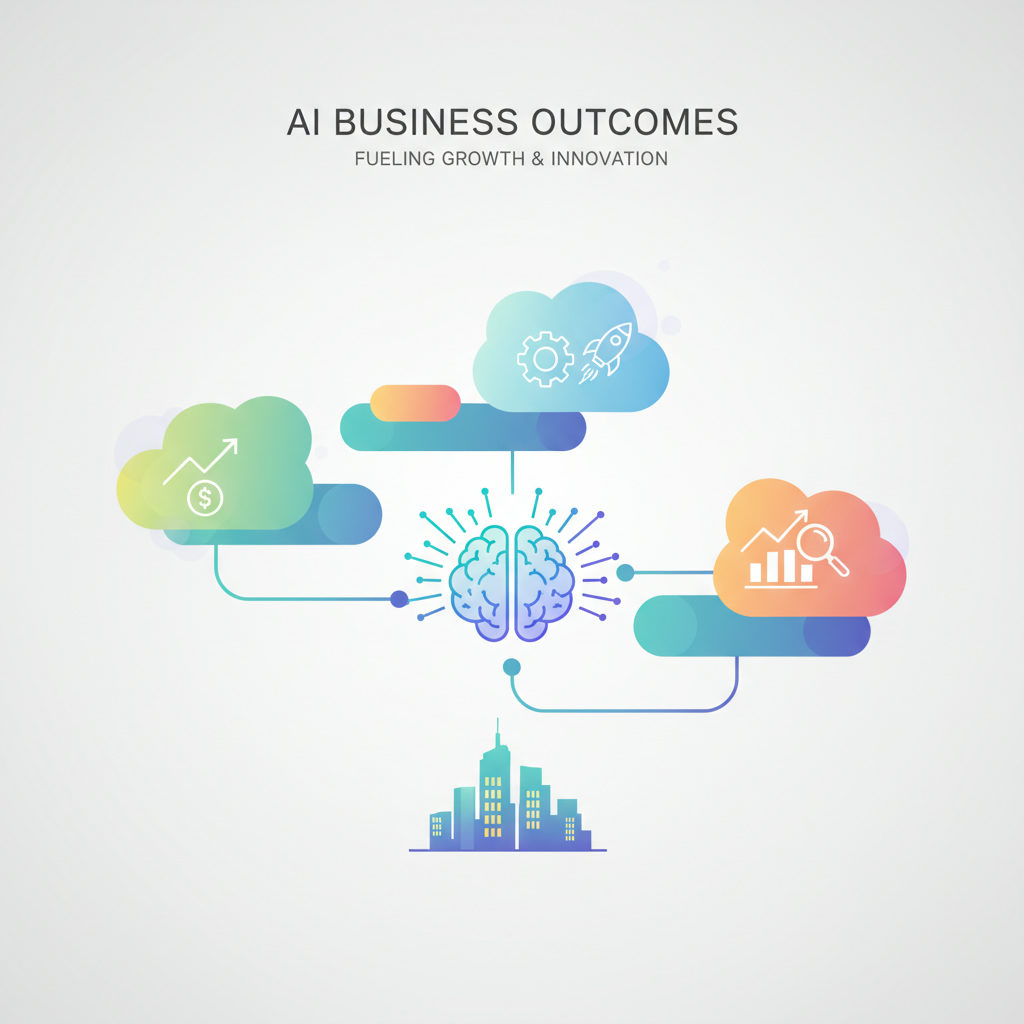
When businesses chase after AI without a clear strategy, they often fall into the trap of what experts refer to as vanity metrics. These are superficial measures that provide little insight into actual performance. For example, measuring the size of your data lake or the number of AI pilots launched can give a sense of activity but fails to address whether these initiatives yield business value. Instead of counting such metrics, organizations should focus on how AI can directly contribute to revenue growth, cost savings, or risk mitigation.
Building Trust with Stakeholders
To successfully implement artificial intelligence in your organization, building trust with stakeholders is crucial. This trust is a two-way street; as a data leader, you must be able to communicate effectively about the capabilities and limitations of AI. Education plays a pivotal role here. Stakeholders should understand that AI is not a magic bullet that solves all problems but rather a tool that can enhance decision-making when used appropriately.
Engaging Business Leaders in AI Initiatives
One effective strategy for fostering this trust is to involve business leaders early and often in the AI development process. This collaboration ensures that AI workflows align with the specific needs of the business. Data teams should aim to become decision-enabling partners rather than mere service providers. Engaging with business units allows data professionals to identify the most pressing challenges that AI can help solve, which in turn drives more impactful outcomes.
The Importance of Measuring AI Success
When it comes to AI, measuring success involves more than just looking at financial metrics. Qualitative outcomes can also provide valuable insights. For instance, conducting net promoter score (NPS) surveys among users of your AI solutions can reveal how well these tools are received and utilized. This feedback loop is essential for continuously improving AI services.
Setting Realistic ROI Targets
While some AI projects may not have immediate financial returns, it’s essential to set realistic expectations. Experts agree that initiatives should have clear objectives tied to business outcomes, even if those outcomes are qualitative in nature. By focusing on these targets, organizations can better assess the effectiveness of their AI implementations and make informed decisions about future investments.
Building a Strong Foundation for AI Implementation
To ensure successful AI adoption, organizations need to establish a strong foundation. This involves:
1. Reusability: Ensure that data products and AI models can be reused across the organization, reducing redundancy and fostering efficiency.
2. Scalability: Develop AI solutions that can grow with your business needs, allowing for widespread adoption across departments.
3. Trustworthiness: Implement rigorous data governance measures to ensure that AI outputs are reliable and ethical.
These pillars create a robust framework that supports the effective use of AI while minimizing risks associated with implementation.
Final Thoughts on Implementing AI
As businesses look to hire AI experts or partner with an AI agency, the focus should not solely be on technology but also on aligning AI initiatives with business objectives. By concentrating on measurable outcomes and fostering collaboration between data teams and business leaders, organizations can successfully navigate the complex world of artificial intelligence. Ultimately, the goal should always be to implement artificial intelligence solutions that contribute to the overall success and profitability of the organization.
For more guidance on how to effectively integrate AI into your business strategy, consider reaching out to an AI agency that can provide tailored solutions to meet your needs.
Implementing artificial intelligence doesn’t have to be daunting. With the right approach, your organization can harness the power of AI to drive meaningful results. Start focusing on business value today and stop chasing the hype that often leads to disappointment.