
In today’s fast-paced business environment, implementing AI in control objective de-duplication and rationalization is not just advantageous—it’s essential. Artificial intelligence is revolutionizing integrated risk management (IRM) processes, allowing organizations to streamline compliance and governance while reducing human error. By leveraging AI capabilities, businesses can effectively tackle the ongoing challenges posed by frequent regulatory changes and the resulting control objectives that often overlap or duplicate. This blog will explore how AI can transform your risk management processes, enhance productivity, and empower compliance teams.
The Role of AI in Integrated Risk Management
AI technologies are reshaping the landscape of integrated risk management. With tools like ServiceNow’s Now Assist, organizations can automate tedious tasks associated with maintaining compliance libraries. By implementing artificial intelligence, businesses can boost productivity and focus on high-value work instead of repetitive manual tasks. AI systems aid in summarizing complex information, generating reports, and providing actionable insights, thus allowing compliance teams to make informed decisions rapidly.
Benefits of AI-Powered Workflows
The integration of AI into workflows offers numerous advantages:
– Efficiency Boost: AI systems rapidly identify and eliminate redundant control objectives, allowing compliance teams to shift their focus from manual cleanup to strategic compliance efforts.
– Enhanced Decision-Making: With AI-generated insights, compliance analysts can quickly access relevant control objectives enriched with citations and policies, facilitating faster decision-making.
– Reduced Operational Burden: By automating repetitive tasks, teams can dedicate their expertise to more critical areas, thereby improving overall job satisfaction and effectiveness.
Challenges of Manual Control Objective Management
Managing control objectives manually can lead to significant challenges, primarily due to the relentless pace of regulatory changes. Compliance teams often create new control objectives that are similar or identical to existing ones without an efficient way to cross-reference them. This manual process can be:
– Time-Consuming: Analysts spend excessive hours identifying duplicates, diverting their focus from strategic tasks.
– Error-Prone: Manual tracking increases the likelihood of mistakes, potentially leading to compliance issues.
– Resource Intensive: Maintaining a bloated compliance library consumes valuable resources that could be better utilized elsewhere.
Streamlining Processes with AI
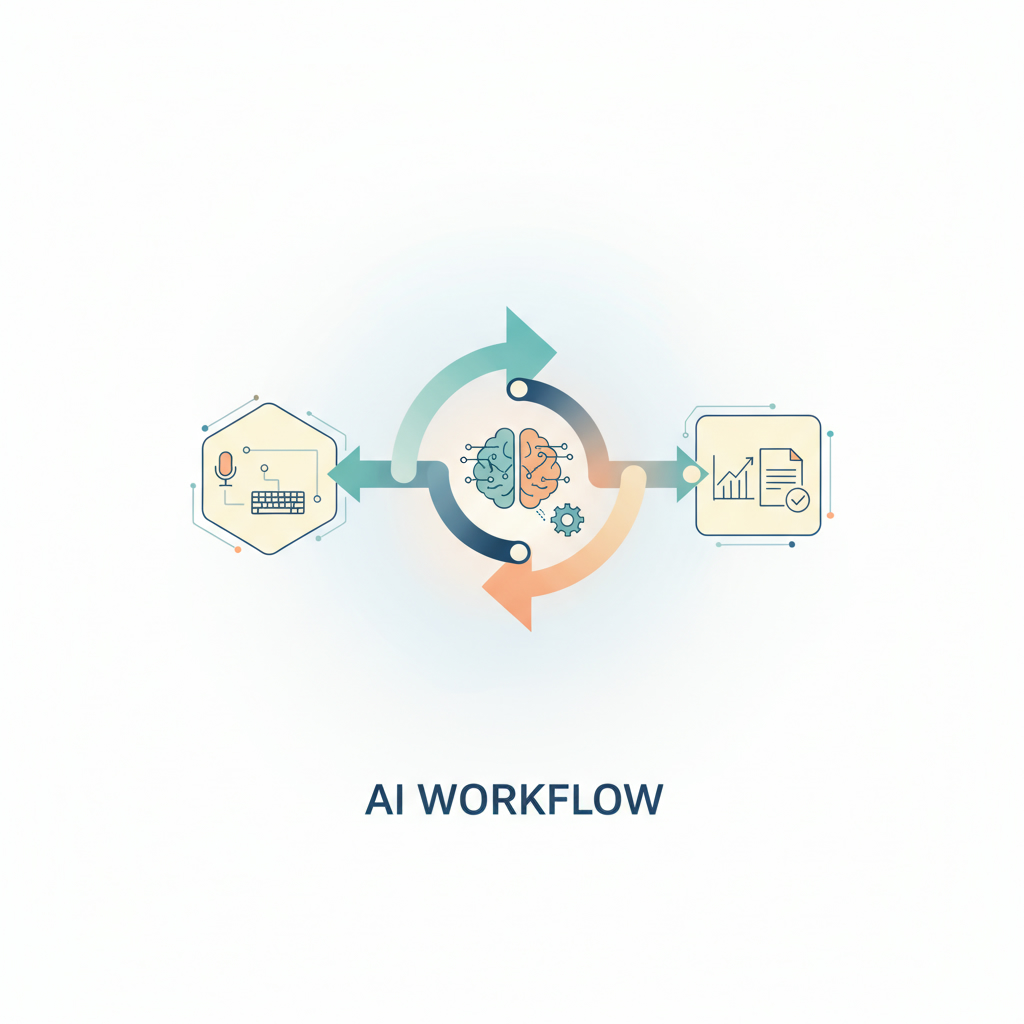
To address these challenges, organizations are turning to AI-driven solutions, such as the automated workflow provided by ServiceNow’s Now Assist. This solution helps streamline the control objective library through a four-phase process:
1. Initiate: Identify potential candidates for rationalization, usually those showing overlap.
2. Analyze: The system scans the entire control library, flagging similar or duplicate objectives for review.
3. Consolidate: Compliance analysts review AI recommendations and decide whether to accept, retain, or create new control objectives.
4. Close: Final audits are conducted, and confirmed duplicates are retired, resulting in a clean compliance library.
Implementing AI Services for Control Rationalization
To implement AI services effectively, your organization needs to meet certain prerequisites. Ensure your platform version is at least Yokohama patch three, and your IRM version is 21.x or above. Activating the Now Assist plugin requires administrative permissions, and users must have the appropriate roles to utilize AI capabilities fully.
Key Roles for Implementation
– ServiceNow Administrators: Responsible for installing the Now Assist plugin and configuring necessary roles.
– Compliance Analysts: Utilize AI tools for rationalization, supported by roles that allow them to execute the AI-driven workflow.
– Reviewers: Examine recommendations and provide final approvals to ensure compliance accuracy.
Conclusion: Harnessing AI for Effective Control Management
The integration of AI into control objective rationalization processes not only enhances compliance efficiency but also empowers teams to make informed decisions faster. As businesses face increasing regulatory demands, hiring an AI agency or expert to implement these technologies can yield significant benefits. By adopting AI, organizations can create a streamlined, organized, and effective governance framework that enhances overall risk management. To explore how you can implement AI in your organization, visit Implement Artificial Intelligence.
Learn More
For further insights on implementing AI in your business, consider reading studies from authoritative sources like Harvard Business Review which discuss the transformative impacts of AI on various industries.