
In an era where artificial intelligence (AI) is transforming industries, understanding how to leverage AI in strategic portfolio planning can significantly enhance financial management. This blog explores how organizations can implement AI to optimize their portfolio processes, enabling smarter decision-making and adaptive financial planning. By integrating AI workflows, companies can facilitate intelligent budget allocations, enhance collaboration, and achieve their organizational goals more effectively.
Understanding AI’s Role in Financial Planning
AI technologies are reshaping how businesses approach financial planning. Organizations that implement artificial intelligence can benefit from real-time data visibility, allowing them to make informed decisions based on current market trends and operational data. This capability is not just about crunching numbers; it’s about leveraging AI to analyze past financial performance and forecast future outcomes.
The Importance of Intelligent Financial Planning
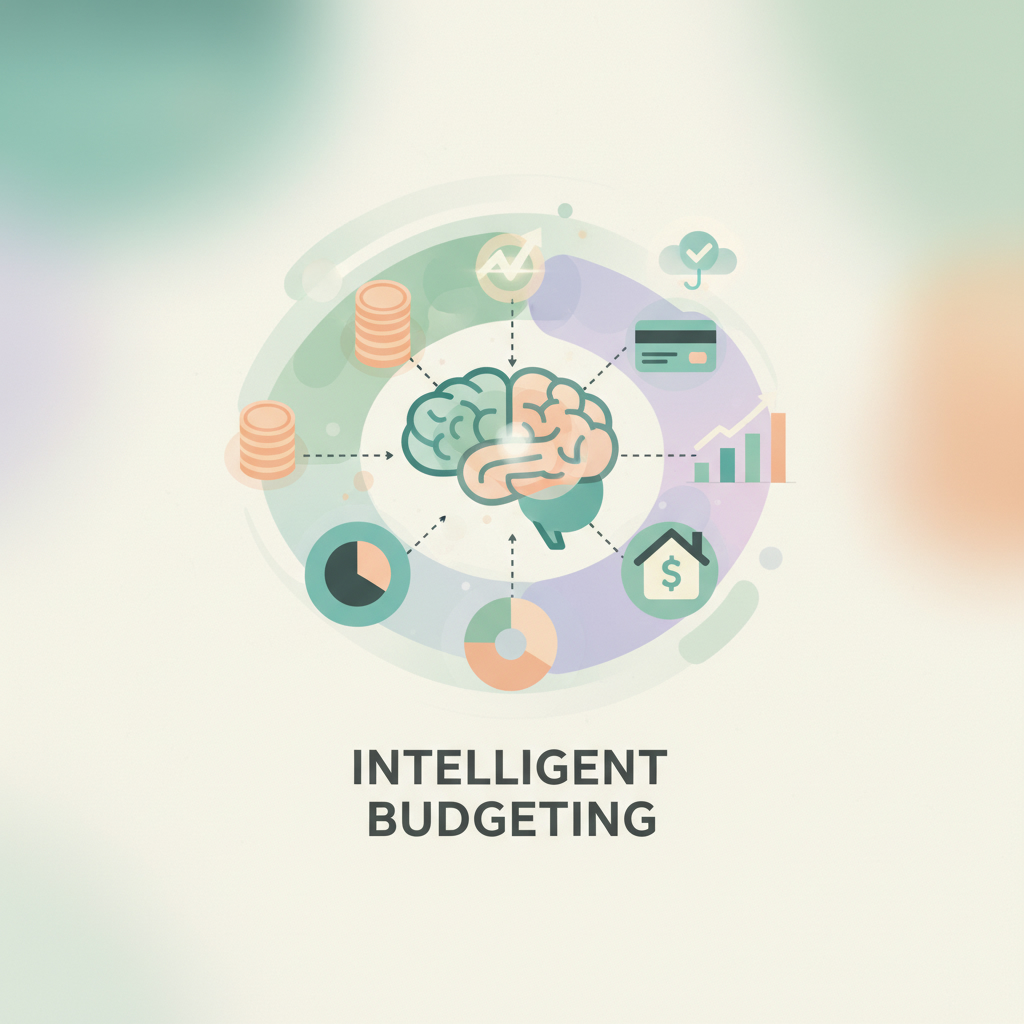
Experts agree that intelligent financial planning goes beyond traditional budgeting. Organizations should focus on adaptive financial planning that integrates AI capabilities, enabling them to:
– Analyze Data: Use AI to sift through vast amounts of data, identifying trends that human analysts might miss.
– Forecast Accurately: Employ predictive analytics to anticipate financial needs and adjust strategies accordingly.
– Allocate Resources Wisely: Implement AI to evaluate which projects yield the best ROI, ensuring funds are allocated to the most promising initiatives.
Funding Methodologies Enhanced by AI
Implementing AI allows organizations to adopt various funding methodologies that cater to their unique operational needs. According to a study by McKinsey, companies that leverage AI in financial planning can choose from several approaches:
1. Bottom-Up Budgeting: AI can streamline the process where project managers input detailed cost estimates, which AI then analyzes to recommend funding levels.
2. Top-Down Budget Allocation: Executives can define budgets based on AI-driven insights into past expenditures and strategic goals, ensuring funds are distributed effectively.
3. Lean Budgeting: This methodology, enhanced by AI, allows organizations to fund projects incrementally based on quarterly performance evaluations, ensuring agility and responsiveness to changing market conditions.
Implementing AI Workflows in Your Organization
To effectively implement AI in your strategic planning, consider the following steps:
– Assess Current Processes: Identify areas where AI can enhance decision-making and financial accuracy.
– Choose the Right AI Agency: Partner with an experienced AI agency that understands your industry and can tailor solutions to your needs.
– Train Your Teams: Ensure that your staff is equipped with the knowledge and tools to utilize AI effectively in their workflows.
Real-World Applications of AI in Portfolio Management
Organizations across various sectors are successfully integrating AI into their financial planning processes. For instance, financial services firms are using AI bots to automate routine tasks, freeing up analysts to focus on more complex decision-making. Similarly, healthcare organizations are applying AI to optimize resource allocation in project management, leading to better patient outcomes and cost efficiencies.
Research shows that companies that hire AI experts to develop tailored solutions see significant improvements in operational efficiencies and financial performance. By implementing AI, organizations can not only enhance their budgeting processes but also foster a culture of continuous improvement and innovation.
Conclusion: Elevate Your Financial Planning with AI
As businesses face increasingly complex financial landscapes, implementing AI in strategic portfolio planning is no longer optional but essential. By harnessing the power of AI, organizations can optimize their financial management processes, making them more agile and outcome-driven. To explore how you can implement artificial intelligence in your organization, visit Implement Artificial Intelligence or contact us to get started on your AI journey today.