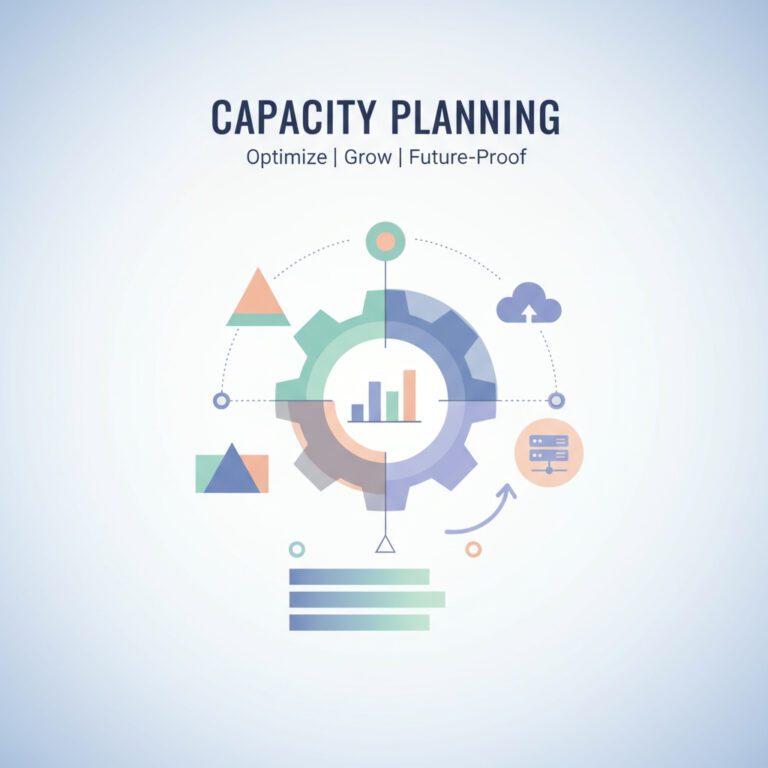
Capacity planning is a critical component in managing resources effectively in any organization. By implementing artificial intelligence (AI) in your capacity planning strategy, you can optimize your resource allocation, enhance decision-making, and ultimately improve productivity. In this article, we will explore the concept of capacity planning, the role of AI in enhancing this process, and how to set it up efficiently within your organization.
Understanding Capacity Planning in the Age of AI
Capacity planning involves balancing supply and demand within an organization. On one hand, you have the demand for work, and on the other, the supply of resources needed to fulfill that demand. AI can help by analyzing data patterns, predicting future requirements, and offering insights into optimal resource allocation. This ensures that you have the right personnel, skills, and equipment available at the right time to meet project deadlines.
The Role of AI in Capacity Planning
Experts agree that integrating AI into capacity planning can provide significant benefits, including:
– Enhanced Accuracy: AI algorithms can analyze historical data to forecast future demands more accurately.
– Real-time Adjustments: AI systems can adapt to changes in demand or resource availability in real time, ensuring better management of unexpected situations.
– Data-Driven Insights: AI tools can offer actionable insights based on data analysis, helping managers make informed decisions.
Additionally, AI can streamline workflows by automating repetitive tasks involved in capacity planning, allowing teams to focus on strategic initiatives.
Setting Up AI for Effective Capacity Planning
To implement artificial intelligence in your capacity planning processes, consider the following steps:
1. Assess Current Processes: Review your existing capacity planning methods and identify areas for improvement.
2. Choose the Right AI Tools: Select AI solutions that align with your organization’s needs. Tools should be capable of integrating with existing systems and providing the necessary analytics.
3. Train Your Team: Ensure that your staff is trained in using AI tools effectively. This includes understanding how to interpret AI-generated data and insights.
4. Monitor and Optimize: Once implemented, continuously monitor the performance of your AI tools and optimize them based on feedback and changing circumstances.
Key Use Cases for AI in Capacity Planning
AI can be utilized in various ways to enhance capacity planning:
– Predictive Analytics: Use AI to analyze historical data and predict future resource needs, helping to avoid bottlenecks.
– Resource Allocation: AI can recommend optimal resource assignments based on skill sets, availability, and project requirements.
– Scenario Planning: Implement AI simulations to explore different scenarios based on various demand and supply conditions, allowing for better strategic planning.
Differentiating Capacity Planning from Resource Management
While capacity planning focuses on the long-term strategic allocation of resources, resource management is more tactical and short-term. AI can bridge these two aspects by providing insights that inform both strategic capacity planning and tactical resource management decisions. By utilizing AI, organizations can ensure that they are not only equipped to handle current demands but also prepared for future challenges.
Conclusion: The Future of Capacity Planning with AI
Implementing artificial intelligence in your capacity planning process is not just a trend; it’s a necessity for organizations looking to thrive in a competitive landscape. By leveraging AI, businesses can improve accuracy, enhance efficiency, and ultimately drive better outcomes. If you’re ready to take the next step in optimizing your capacity planning, consider partnering with an experienced AI agency to implement solutions tailored to your needs. Visit Implement Artificial Intelligence to learn more about how we can assist you in this transformative journey.