Artificial intelligence (AI) is often perceived as a form of magic, but in reality, it is grounded in mathematical principles. This perspective is crucial for business leaders and data practitioners who are navigating the evolving landscape of AI. In this article, we explore how to effectively implement artificial intelligence in your organization, the importance of a robust data strategy, and the emerging roles that will shape the future of AI workflows.
AI: More Than Just a Buzzword
The hype surrounding AI is palpable, but experts agree that it is essential to view AI not as a magical solution but as a sophisticated tool that can be leveraged for significant business advantages. Historical parallels can be drawn with the dot-com bubble, where excitement overshadowed practical applications. The key takeaway is that while AI holds substantial potential, its effectiveness hinges on how it is implemented and managed within an organization.
Navigating the Uncertainty of AI Adoption
The current environment is marked by uncertainty regarding the future impact of AI. Predictions range from fears of job displacement to the optimistic view that AI can enhance productivity dramatically. As organizations consider implementing AI, they must focus on a balanced approach that prioritizes business value over speculative excitement.
– Focus on Business Capabilities: Rather than getting lost in the allure of advanced technologies, businesses should concentrate on building capabilities that deliver measurable value.
– Consider Real-World Applications: For example, in the insurance sector, AI can streamline the processing of unstructured documents, which previously consumed extensive resources.
The Future Roles in AI Workflows
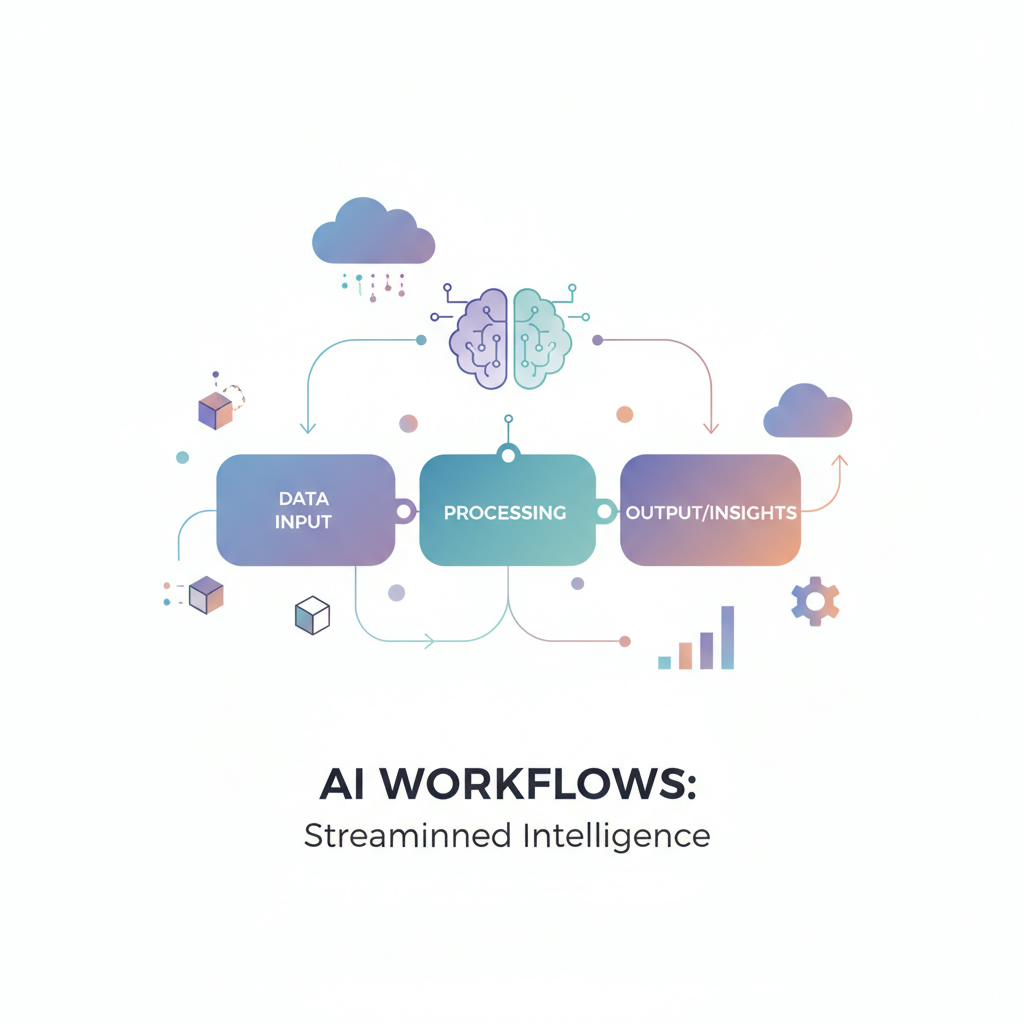
As organizations integrate AI into their operations, new roles will emerge that bridge the gap between technology and human understanding. A notable position is that of the data librarian, which emphasizes the need for organized data management and sharing across departments.
– Cross-Functional Collaboration: Future roles will require professionals to have a cross-disciplinary understanding. This is vital because while AI excels in technical tasks, human insight is irreplaceable for contextual understanding and decision-making.
– Critical Thinking and AI Interfacing: Professionals will need to develop skills that allow them to interpret AI outputs and apply them effectively within their domains, ensuring that technology complements human capability.
Building AI Readiness in Organizations
Implementing artificial intelligence is not solely about technology; it’s about creating an organizational culture that embraces change. Research shows that projects lacking foundational support are likely to fail. Here are key aspects to consider:
– Cultural Readiness: Ensure that employees are prepared for the changes that AI will bring. This involves training and fostering an environment that encourages adaptation.
– Focus on Business Outcomes: AI initiatives should be closely aligned with business objectives to ensure that they drive tangible results.
Conclusion: Embracing AI as a Strategic Tool
In conclusion, AI is a powerful mathematical tool that, when implemented correctly, can transform business operations. By focusing on practical applications, fostering cross-functional roles, and building a culture of readiness, organizations can harness the full potential of artificial intelligence. If you’re looking to implement AI effectively, consider working with an experienced AI agency to guide your strategy and execution. Visit Implement Artificial Intelligence for expert insights and services.
Understanding that AI is not magic, but rather a complex interplay of technology and human insight, will empower businesses to thrive in this new frontier.