In today’s rapidly evolving technological landscape, AI is transforming how businesses operate. Companies looking to implement artificial intelligence need a robust foundation, particularly within their IT operations. A well-structured Configuration Management Database (CMDB) is crucial for organizations aiming to leverage AI workflows effectively. This post will delve into how establishing strong CMDB data foundations can enhance AI services and drive operational excellence.
Understanding the Importance of CMDB in AI-Driven Operations
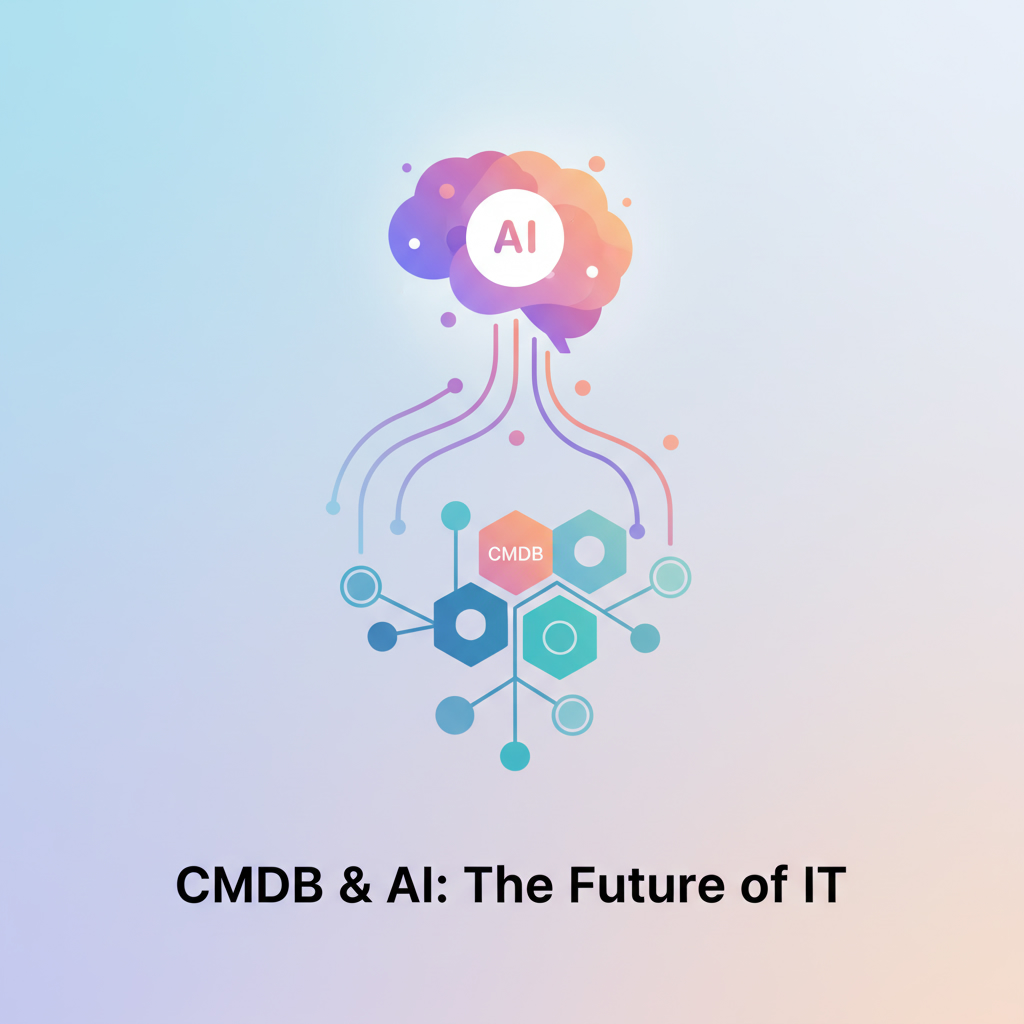
To harness the power of AI, organizations must first ensure that their data is accurate and accessible. The CMDB serves as the backbone of IT operations, providing a single source of truth for all configuration items (CIs) within the organization. By effectively managing this data, companies can facilitate better decision-making and boost the efficiency of their AI bots and AI chat functionalities.
Steps to Build a Robust CMDB for AI Implementation
1. Align with Business Objectives: Start by identifying key business goals that the AI initiative supports. This could be improving customer satisfaction or streamlining business processes.
2. Establish Governance: Define governance policies that dictate how data will be managed within the CMDB. This includes setting rules for data ingestion, updates, and audits.
3. Data Quality and Integrity: Implement rules to ensure data completeness, compliance, and correctness. Regular audits can help maintain high data quality, which is essential for effective AI operations.
4. Leverage AI for Automation: Utilize AI tools to automate data management processes within the CMDB. This not only enhances efficiency but also minimizes human error.
The Role of AI in Enhancing CMDB Effectiveness
Integrating AI within the CMDB can significantly improve how organizations manage their IT operations. Here are some key ways AI can enhance CMDB effectiveness:
– Automated Data Ingestion: AI can streamline the process of populating the CMDB with accurate data from various sources, reducing manual effort and errors.
– Predictive Analytics: By analyzing historical data, AI can provide insights into potential future issues, allowing organizations to proactively address them before they escalate.
– Enhanced Service Management: AI can facilitate better incident management by automatically correlating incidents with relevant CIs, improving response times and service quality.
Best Practices for Implementing AI in IT Operations
– Hire AI Experts: Bringing in specialists can ensure that your organization implements AI effectively and strategically. Their expertise will be invaluable in navigating the complexities of artificial intelligence integration.
– Continuous Improvement: Regularly assess and refine your AI strategies based on performance metrics and changing business needs. This adaptive approach will keep your operations aligned with organizational goals.
– Invest in Training: Equip your teams with the necessary skills to manage and utilize AI tools effectively. This investment in human capital will pay dividends in operational efficiency.
Conclusion: The Path Forward for AI-Ready IT Operations
Establishing a strong foundation for AI-ready IT operations begins with a well-structured CMDB. By focusing on data quality, implementing robust governance practices, and leveraging AI services, organizations can unlock the full potential of artificial intelligence. To learn more about enhancing your IT operations with AI, consider partnering with an experienced AI agency. Visit Implement Artificial Intelligence to explore your options today.