
In today’s digital landscape, the integration of AI (artificial intelligence) into business operations is no longer optional; it’s essential for competitive advantage. However, the effectiveness of AI systems hinges on the quality of the data that powers them. High-quality, structured data is vital for training AI agents, enabling them to generate accurate, relevant responses that foster trust among users. This article delves into how implementing artificial intelligence successfully requires a focus on data quality, particularly in alignment with the Common Service Data Model (CSDM). By ensuring that your data is clean and well-organized, you can significantly enhance the performance of your AI agents, ultimately leading to improved customer satisfaction and operational efficiency.
Understanding the Importance of Data Quality in AI
Research indicates that businesses that prioritize data quality see higher rates of AI adoption and customer satisfaction. The initial step in leveraging AI effectively involves identifying use cases where AI can provide value. For these implementations to succeed, the data fed into AI models must be clean, structured, and high-quality. When organizations prioritize data governance and quality, they not only improve the performance of AI systems but also accelerate their return on investment (ROI).
The Role of CSDM in AI Performance
The Common Service Data Model (CSDM) plays a crucial role in the governance of data within organizations. It provides a framework for organizing and managing data that supports AI initiatives. Effective implementation of CSDM ensures that the data utilized by AI agents aligns with overall business objectives, thereby improving the accuracy and reliability of AI outputs.
Steps to Ensure Data Readiness for AI
Experts agree that preparing data for AI involves several critical steps:
1. Data Assessment: Conduct an audit of your organization’s data inventory to ensure it comes from verified and reliable systems.
2. Data Quality Evaluation: Analyze data for completeness and consistency, identifying any duplicates or missing values to prevent issues with AI performance.
3. Data Structuring: Organize and structure data according to specific use cases, ensuring that it meets the input requirements of AI models.
4. Data Governance: Establish processes for regular updates and maintenance of data to ensure ongoing quality and compliance with legal standards.
Leveraging AI Tools for Data Management
Innovative AI tools can significantly streamline the data preparation process. By employing AI-driven solutions, organizations can automate the analysis of data sets, identifying gaps and misalignments in real-time. This not only saves time but also enhances the accuracy of data utilized for training AI agents. According to a study by McKinsey, companies that adopt AI for data management and analysis can see a substantial increase in operational efficiency.
The Benefits of High-Quality Data in AI Workflows
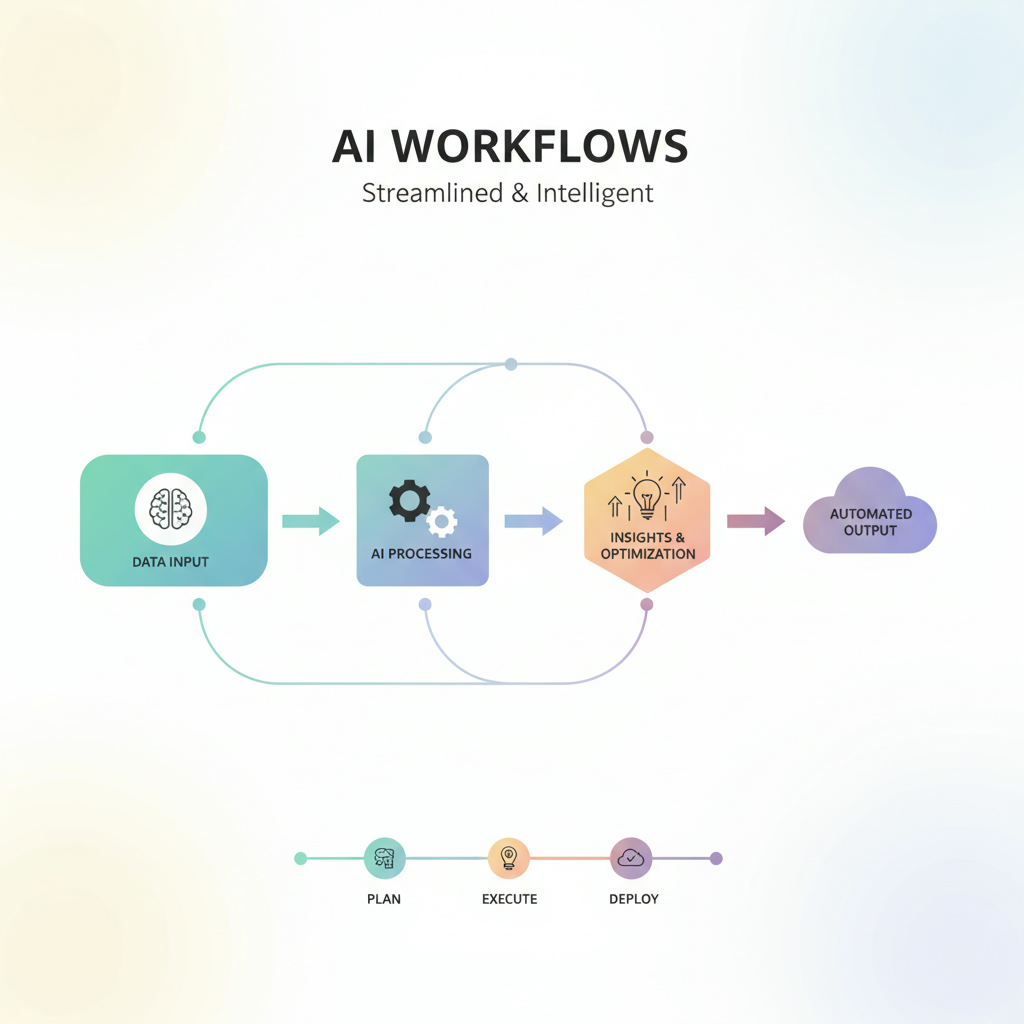
Implementing high-quality data practices within AI workflows leads to numerous advantages:
– Improved Customer Satisfaction: Organizations utilizing reliable data often report higher customer satisfaction rates due to more accurate and relevant AI responses.
– Faster AI Implementation: High-quality data facilitates quicker implementation of AI initiatives, allowing organizations to realize AI benefits sooner.
– Enhanced Decision-Making: Accurate data supports better decision-making processes, leading to improved business outcomes.
Conclusion: The Path to Successful AI Implementation
For organizations looking to harness the power of artificial intelligence, focusing on data quality and alignment with frameworks like CSDM is essential. By prioritizing data readiness, businesses can significantly enhance the performance of their AI agents, ultimately leading to increased efficiency and customer satisfaction. If you’re ready to take your AI initiatives to the next level, consider engaging with an AI agency to help you implement these strategies effectively. Visit Implement Artificial Intelligence today to learn more about how we can assist you in achieving your AI goals.